
The Future of Textile Innovation: Chemical Bonded Nonwoven Interlining Fabric
Release time:
2026-04-12
The Future of Textile Innovation: Chemical Bonded Nonwoven Interlining Fabric
Table of Contents
1. Introduction to Textile Innovation
2. Understanding Chemical Bonded Nonwoven Interlining Fabric
3. Advantages of Chemical Bonded Nonwoven Interlining
4. Applications in the Textile Industry
4.1 Fashion and Apparel
4.2 Home Textiles
4.3 Industrial Applications
5. Sustainability in Textile Production
6. Future Trends in Nonwoven Fabric Technology
7. Challenges Facing the Textile Industry
8. Conclusion: Embracing Innovation
9. FAQs
1. Introduction to Textile Innovation
The textile industry is undergoing a profound transformation driven by advancements in technology and changing consumer preferences. As businesses and consumers increasingly prioritize sustainability and performance, innovative materials are emerging to meet these demands. Among these innovations, **chemical bonded nonwoven interlining fabric** stands out as a solution that combines functionality with environmental responsibility.
2. Understanding Chemical Bonded Nonwoven Interlining Fabric
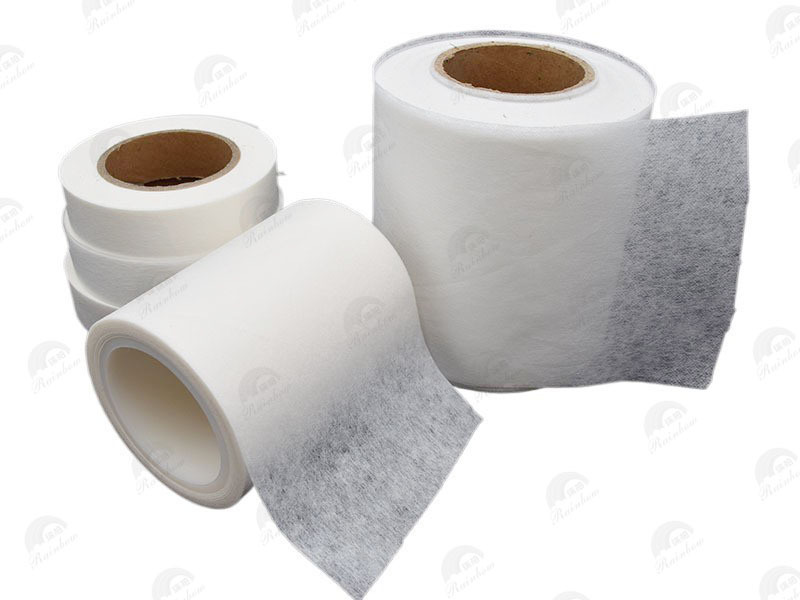
Chemical bonded nonwoven interlining fabric refers to a specific type of material that offers durability and flexibility, making it ideal for various textile applications. This fabric is created by bonding fibers together using chemical adhesives rather than traditional methods like weaving or knitting. The result is a lightweight, flexible, and strong material that provides structure and support to garments without adding unnecessary bulk.
Chemical bonding enhances the fabric's resistance to fraying and tearing, further increasing its longevity. As a result, this type of interlining has become a preferred choice for many designers and manufacturers looking to improve the quality of their products.
3. Advantages of Chemical Bonded Nonwoven Interlining
The benefits of chemical bonded nonwoven interlining fabric are numerous, making it an essential component in modern textile production. Here are some key advantages:
3.1 Enhanced Durability
Chemical bonding significantly increases the fabric's durability, allowing it to withstand regular wear and tear. This quality is particularly beneficial for fashion items that undergo frequent washing and use.
3.2 Lightweight and Flexible
Unlike traditional interlining, which can add weight to garments, chemical bonded nonwoven interlining is lightweight. This allows designers to create more comfortable and wearable clothing without compromising on structure.
3.3 Cost-Effectiveness
The manufacturing process for chemical bonded nonwoven fabrics often proves to be more cost-effective than traditional methods. This efficiency can lead to reduced production costs and ultimately lower prices for consumers.
3.4 Versatile Applications
Due to its unique properties, this interlining can be applied in various sectors, from fashion design to industrial uses. Its adaptability makes it a favored choice among manufacturers.
4. Applications in the Textile Industry
Chemical bonded nonwoven interlining finds applications across various sectors of the textile industry. Below are key areas where this innovative fabric is making waves.
4.1 Fashion and Apparel
In fashion, designers leverage chemical bonded nonwoven interlining for collars, cuffs, and waistbands, providing essential support and shaping without adding heaviness. It enhances the overall fit and finish of garments, allowing for more intricate designs and styles.
4.2 Home Textiles
Chemical bonded nonwoven interlining is also utilized in home textiles such as curtains, upholstery, and bedding. Its durability and ease of care make it an ideal choice for household items that endure daily use.
4.3 Industrial Applications
Beyond fashion and home textiles, chemical bonded nonwoven fabrics serve a vital role in industrial applications. They are used in automotive upholstery, medical textiles, and filtration systems, showcasing their versatility and broad applicability.
5. Sustainability in Textile Production
As the textile industry becomes more conscious of its environmental impact, sustainable practices are gaining traction. Chemical bonded nonwoven interlining fabric stands out as a **sustainable option**. The production process often utilizes fewer resources and can incorporate recycled materials, contributing to a reduced carbon footprint.
Moreover, the durability of these fabrics means that products made from them have a longer lifespan, further supporting sustainability goals. By choosing chemical bonded nonwoven interlining, manufacturers can align their products with the growing demand for eco-friendly options.
6. Future Trends in Nonwoven Fabric Technology
The future of chemical bonded nonwoven interlining fabric looks promising as technology continues to advance. Here are some trends to watch:
6.1 Smart Fabrics
The integration of technology into textiles is on the rise. Smart fabrics that can monitor temperature, humidity, or even body movement will likely become more common, enhancing the functionality of chemical bonded nonwoven interlining.
6.2 Biodegradable Options
As consumers reach for more eco-friendly products, the demand for biodegradable nonwoven fabrics is expected to grow. Manufacturers are likely to invest in research and development to create sustainable alternatives that maintain performance.
6.3 Customization and Personalization
The trend toward customization in fashion indicates that consumers are seeking unique products tailored to their preferences. Chemical bonded nonwoven interlining can be easily manipulated to meet specific design requirements, making it a valuable asset for innovative manufacturers.
7. Challenges Facing the Textile Industry
Despite the promising future of chemical bonded nonwoven interlining fabric, the textile industry faces several challenges:
7.1 Competition from Fast Fashion
The rise of fast fashion has led to increased competition, making it difficult for brands focused on quality and sustainability to stand out. Chemical bonded nonwoven interlining, with its durability and versatility, can help in creating quality products that appeal to conscious consumers.
7.2 Consumer Awareness
While sustainability is a hot topic, many consumers remain unaware of the benefits of chemical bonded nonwoven interlining. Educating the market about its advantages is essential for driving demand.
7.3 Supply Chain Issues
Global supply chain disruptions have affected many industries, including textiles. Manufacturers must adapt to these changes to ensure steady production and delivery of chemical bonded nonwoven fabrics.
8. Conclusion: Embracing Innovation
Chemical bonded nonwoven interlining fabric represents a significant leap forward in textile innovation. Its unique properties, coupled with the push for sustainability, make it a vital component in the future of textile production. As the industry continues to evolve, embracing these advancements will be essential for brands aiming to meet consumer demands while minimizing environmental impact. By understanding and applying the benefits of chemical bonded nonwoven interlining, we can pave the way for a more sustainable and innovative fabric future.
9. FAQs
1. What is chemical bonded nonwoven interlining fabric?
Chemical bonded nonwoven interlining fabric is a type of textile created by bonding fibers with chemical adhesives rather than traditional weaving or knitting. This process results in a durable, lightweight, and flexible material suitable for various applications.
2. What are the main advantages of using chemical bonded nonwoven interlining?
The key advantages include enhanced durability, lightweight and flexible characteristics, cost-effectiveness, and versatility in applications across different sectors.
3. In which industries is chemical bonded nonwoven interlining fabric commonly used?
It is widely used in fashion and apparel, home textiles, and industrial applications such as automotive upholstery and medical textiles.
4. How does chemical bonded nonwoven interlining contribute to sustainability?
This type of fabric can be produced using fewer resources, may incorporate recycled materials, and has a longer lifespan, contributing to reduced waste and a lower carbon footprint.
5. What are the future trends for chemical bonded nonwoven interlining fabric?
Future trends include the development of smart fabrics, biodegradable options, and an increase in customization and personalization in textiles.
With a deep understanding of the advancements and applications surrounding chemical bonded nonwoven interlining fabrics, we can confidently navigate the future of textile innovation.
chemical bonded nonwoven interlining fabric
Latest News


Nantong Rainbow Nonwoven Tech Co.,Ltd.
Telephone:+86-13587673537 +86-15851257231
E-mail:chrislc717@163.com christy@ntrainbow.com
sales1@ntrainbow.com
Address: (No. 88, Sanzong South Road) Group 42, Xichansi Village, Xiting Town, Tongzhou District, Nantong City, Jiangsu Province

Copyright©2024 Nantong Rainbow Technology Co., Ltd. | Powered by www.300.cn
Copyright©2024 Nantong Rainbow Technology Co., Ltd.
Powered by www.300.cn