
Understanding Polyester Interlining for Garment Construction: A Comprehensive Guide
Release time:
2026-04-14
Polyester interlining is a widely used textile material in the garment industry, providing structure, support, and versatility in various applications. As a type of interfacing, polyester interlining is primarily employed to enhance the quality and durability of garments, making it an essential element for designers and manufacturers alike.
One of the standout features of polyester interlining is its excellent strength-to-weight ratio. This property allows it to provide support without adding excessive bulk to the garment. Its lightweight nature makes it suitable for a range of applications, from formal wear to casual clothing. Furthermore, polyester fibers are known for their resilience, making the interlining less prone to wrinkling and deformation, which is critical for maintaining a polished appearance.
In terms of breathability, polyester interlining offers moderate airflow, ensuring comfort for the wearer. This is particularly important for garments that are worn for extended periods or in varying climates. Additionally, polyester is resistant to moisture, helping the interlining maintain its shape and functionality even in humid conditions.
Polyester interlining also boasts a high degree of versatility. It can be used for a variety of techniques, including fusible and sew-in applications. Fusible polyester interlining comes with an adhesive backing that allows it to bond directly to the fabric when heat is applied. This feature simplifies the garment construction process, as it reduces the need for additional stitching and helps to achieve a clean finish. On the other hand, sew-in polyester interlining is ideal for more structured garments, providing significant support without the risk of adhesive breakdown over time.
When selecting polyester interlining for your garment projects, it’s essential to consider factors such as fabric type, garment style, and desired drape. The interlining should complement the outer fabric, enhancing its properties rather than detracting from them. For instance, lightweight polyester interlining is suitable for delicate fabrics, while heavier options may be preferred for structured apparel.
Furthermore, polyester interlining is available in various weights, colors, and finishes, allowing for customization based on specific design needs. This adaptability makes it an invaluable resource for fashion designers and garment manufacturers striving to achieve a particular aesthetic or functionality in their products.
In conclusion, polyester interlining serves as a vital component in garment construction, offering numerous benefits such as durability, lightweight support, and versatility. Understanding its properties and applications can help professionals make informed decisions that enhance the quality of their garments, ultimately leading to better customer satisfaction and brand reputation.
One of the standout features of polyester interlining is its excellent strength-to-weight ratio. This property allows it to provide support without adding excessive bulk to the garment. Its lightweight nature makes it suitable for a range of applications, from formal wear to casual clothing. Furthermore, polyester fibers are known for their resilience, making the interlining less prone to wrinkling and deformation, which is critical for maintaining a polished appearance.
In terms of breathability, polyester interlining offers moderate airflow, ensuring comfort for the wearer. This is particularly important for garments that are worn for extended periods or in varying climates. Additionally, polyester is resistant to moisture, helping the interlining maintain its shape and functionality even in humid conditions.
Polyester interlining also boasts a high degree of versatility. It can be used for a variety of techniques, including fusible and sew-in applications. Fusible polyester interlining comes with an adhesive backing that allows it to bond directly to the fabric when heat is applied. This feature simplifies the garment construction process, as it reduces the need for additional stitching and helps to achieve a clean finish. On the other hand, sew-in polyester interlining is ideal for more structured garments, providing significant support without the risk of adhesive breakdown over time.
When selecting polyester interlining for your garment projects, it’s essential to consider factors such as fabric type, garment style, and desired drape. The interlining should complement the outer fabric, enhancing its properties rather than detracting from them. For instance, lightweight polyester interlining is suitable for delicate fabrics, while heavier options may be preferred for structured apparel.
Furthermore, polyester interlining is available in various weights, colors, and finishes, allowing for customization based on specific design needs. This adaptability makes it an invaluable resource for fashion designers and garment manufacturers striving to achieve a particular aesthetic or functionality in their products.
In conclusion, polyester interlining serves as a vital component in garment construction, offering numerous benefits such as durability, lightweight support, and versatility. Understanding its properties and applications can help professionals make informed decisions that enhance the quality of their garments, ultimately leading to better customer satisfaction and brand reputation.
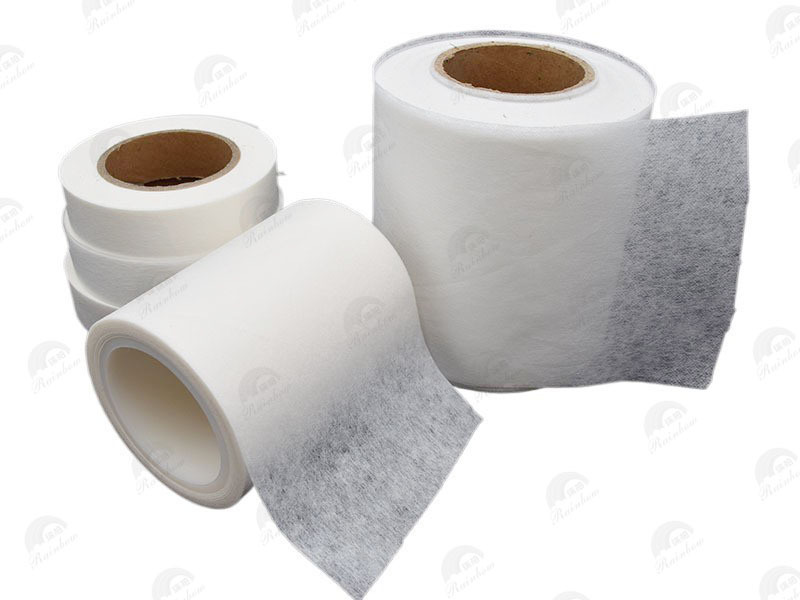
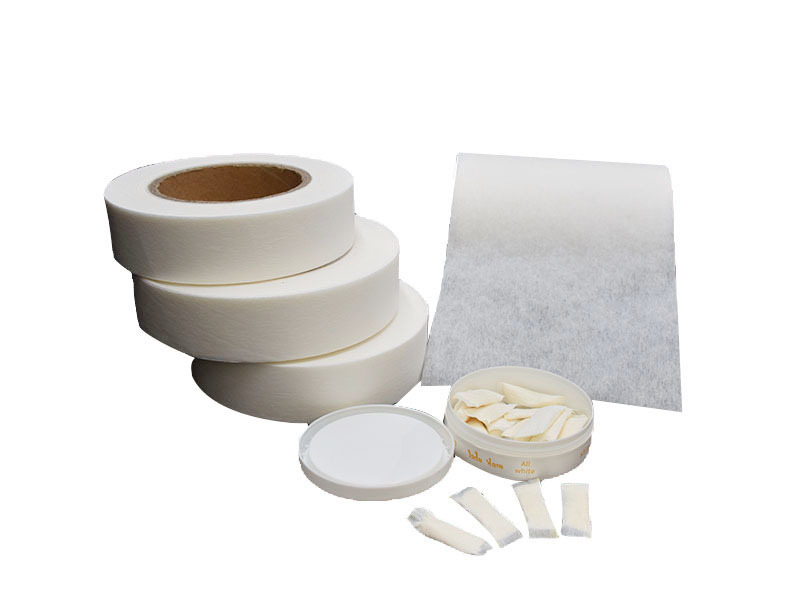
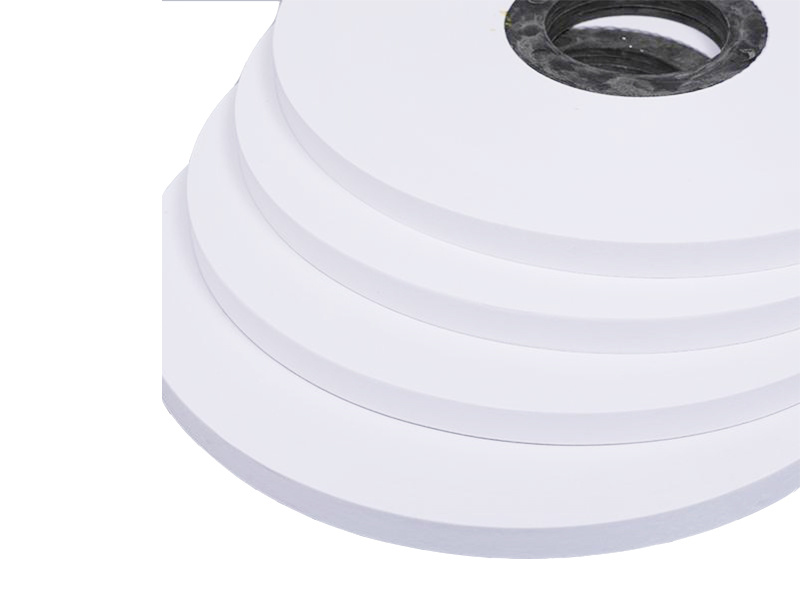
polyester interlining for garment
Latest News


Nantong Rainbow Nonwoven Tech Co.,Ltd.
Telephone:+86-13587673537 +86-15851257231
E-mail:chrislc717@163.com christy@ntrainbow.com
sales1@ntrainbow.com
Address: (No. 88, Sanzong South Road) Group 42, Xichansi Village, Xiting Town, Tongzhou District, Nantong City, Jiangsu Province

Copyright©2024 Nantong Rainbow Technology Co., Ltd. | Powered by www.300.cn
Copyright©2024 Nantong Rainbow Technology Co., Ltd.
Powered by www.300.cn