
The Advantages and Applications of Chemical Bonded Nonwoven Fusible Interlining
Release time:
2026-04-10
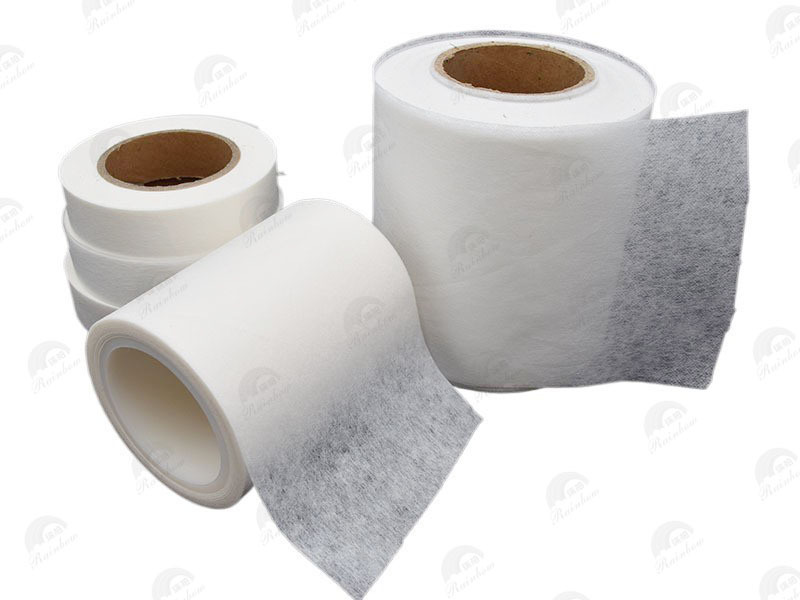
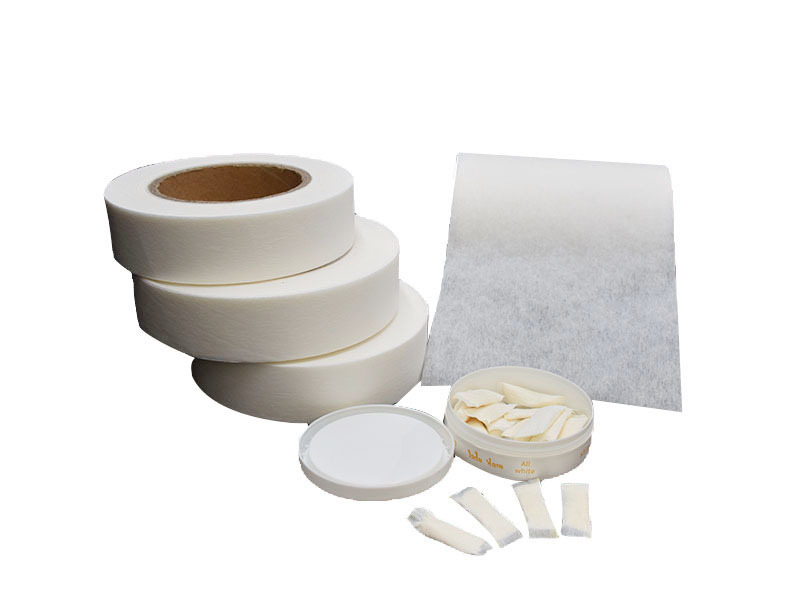
Chemical bonded nonwoven fusible interlining has gained significant traction in the textile sector, particularly in the realm of garment manufacturing. This specialized material serves as a critical component in providing structure, stability, and support to various fabrics. Understanding its properties and applications can greatly benefit professionals in the industry.
One of the standout features of chemical bonded nonwoven fusible interlining is its unique manufacturing process. Unlike traditional woven interlinings, which rely on interlacing threads, nonwoven materials are produced through the bonding of fibers using chemical adhesives. This method results in a lightweight, flexible material that can easily conform to the shape of the underlying fabric. These characteristics make it particularly suitable for a range of garments, from tailored suits to casual wear.
Another advantage of this type of interlining is its excellent fusibility. The chemical bonding process allows for superior adhesion to fabrics when heat is applied, ensuring a strong bond without compromising the material's integrity. This property is especially beneficial for garments that require a crisp finish, as it helps maintain the desired shape and structure over time.
In terms of applications, chemical bonded nonwoven fusible interlining is commonly used in collars, cuffs, and waistbands to provide added support and durability. It is also employed in various types of outerwear and sportswear, where flexibility and resilience are paramount. The material’s breathability and moisture-wicking properties further enhance its suitability for active wear, making it a popular choice among manufacturers looking to produce high-performance garments.
Moreover, the versatility of chemical bonded nonwoven fusible interlining extends beyond apparel. It is used in accessories, home textiles, and even industrial applications, showcasing its adaptability across different segments of the textile market. Its ability to be dyed, printed, or finished in various ways allows designers to incorporate it seamlessly into diverse projects, elevating both aesthetic appeal and functional performance.
Sustainability is also a growing concern in the textile industry, and many manufacturers of chemical bonded nonwoven fusible interlining are responding by implementing eco-friendly practices. This includes using recycled materials and reducing waste during production, aligning with the industry's shift towards more sustainable practices.
In conclusion, chemical bonded nonwoven fusible interlining presents a multitude of advantages for professionals in the textile industry. From its unique manufacturing process to its wide array of applications, understanding this innovative material can enhance the quality and performance of garments, ultimately benefiting both manufacturers and consumers. As trends evolve, staying informed about such materials will be crucial for those looking to maintain a competitive edge in the ever-changing textile market.
One of the standout features of chemical bonded nonwoven fusible interlining is its unique manufacturing process. Unlike traditional woven interlinings, which rely on interlacing threads, nonwoven materials are produced through the bonding of fibers using chemical adhesives. This method results in a lightweight, flexible material that can easily conform to the shape of the underlying fabric. These characteristics make it particularly suitable for a range of garments, from tailored suits to casual wear.
Another advantage of this type of interlining is its excellent fusibility. The chemical bonding process allows for superior adhesion to fabrics when heat is applied, ensuring a strong bond without compromising the material's integrity. This property is especially beneficial for garments that require a crisp finish, as it helps maintain the desired shape and structure over time.
In terms of applications, chemical bonded nonwoven fusible interlining is commonly used in collars, cuffs, and waistbands to provide added support and durability. It is also employed in various types of outerwear and sportswear, where flexibility and resilience are paramount. The material’s breathability and moisture-wicking properties further enhance its suitability for active wear, making it a popular choice among manufacturers looking to produce high-performance garments.
Moreover, the versatility of chemical bonded nonwoven fusible interlining extends beyond apparel. It is used in accessories, home textiles, and even industrial applications, showcasing its adaptability across different segments of the textile market. Its ability to be dyed, printed, or finished in various ways allows designers to incorporate it seamlessly into diverse projects, elevating both aesthetic appeal and functional performance.
Sustainability is also a growing concern in the textile industry, and many manufacturers of chemical bonded nonwoven fusible interlining are responding by implementing eco-friendly practices. This includes using recycled materials and reducing waste during production, aligning with the industry's shift towards more sustainable practices.
In conclusion, chemical bonded nonwoven fusible interlining presents a multitude of advantages for professionals in the textile industry. From its unique manufacturing process to its wide array of applications, understanding this innovative material can enhance the quality and performance of garments, ultimately benefiting both manufacturers and consumers. As trends evolve, staying informed about such materials will be crucial for those looking to maintain a competitive edge in the ever-changing textile market.
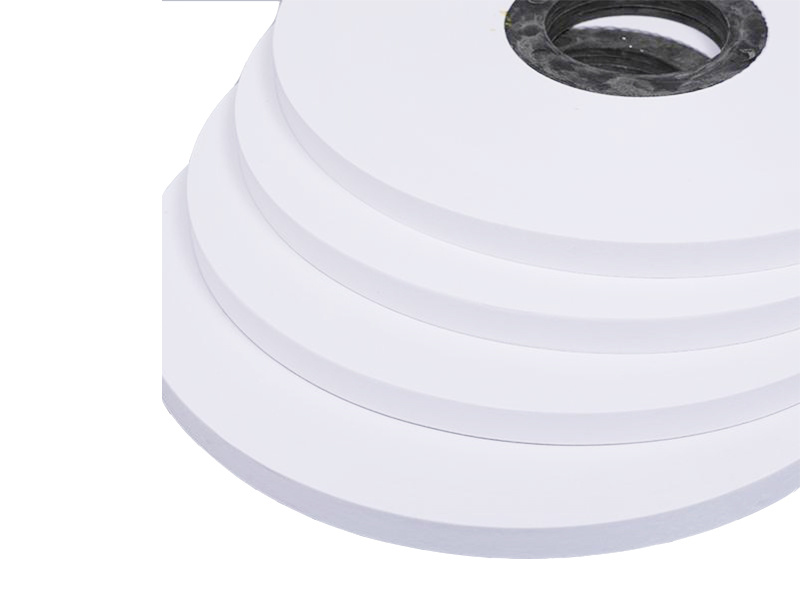
chemical bonded Nonwoven fusible interlining
Latest News


Nantong Rainbow Nonwoven Tech Co.,Ltd.
Telephone:+86-13587673537 +86-15851257231
E-mail:chrislc717@163.com christy@ntrainbow.com
sales1@ntrainbow.com
Address: (No. 88, Sanzong South Road) Group 42, Xichansi Village, Xiting Town, Tongzhou District, Nantong City, Jiangsu Province

Copyright©2024 Nantong Rainbow Technology Co., Ltd. | Powered by www.300.cn
Copyright©2024 Nantong Rainbow Technology Co., Ltd.
Powered by www.300.cn