
Understanding GRS Certified Nonwoven Interlining: Sustainable Solutions for Textile Applications
Release time:
2026-04-22
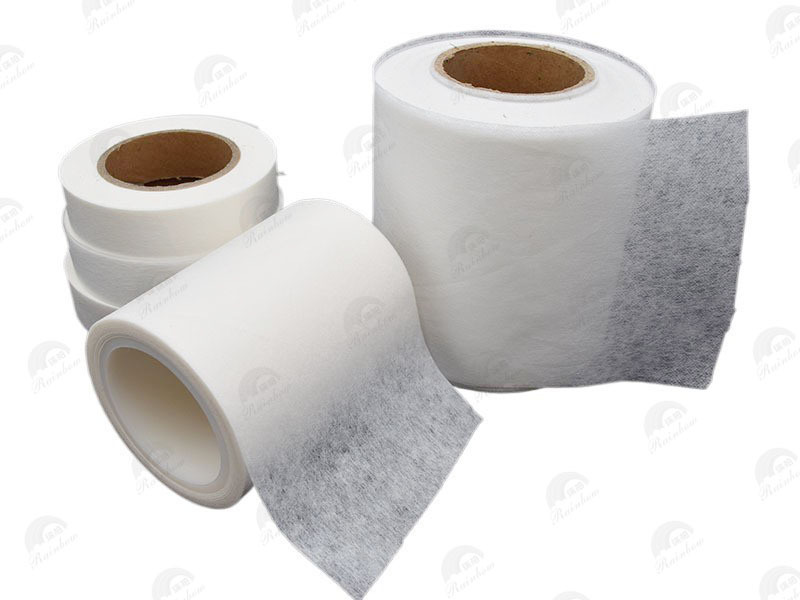
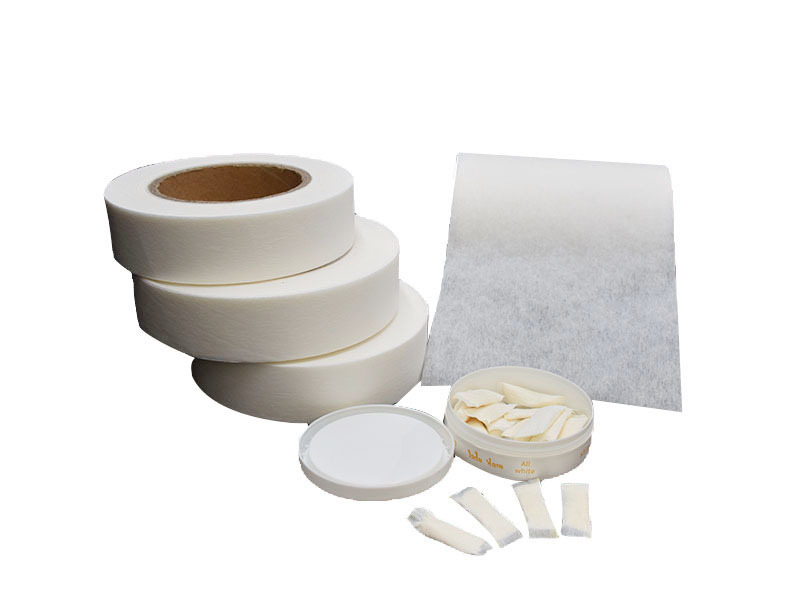
In the textile industry, the term "Nonwoven Interlining" refers to a type of fabric that is used to reinforce and stabilize garments and other textile products. When we talk about GRS Certified Nonwoven Interlining, we are specifically addressing a material that has received Global Recycled Standard (GRS) certification. This certification is crucial because it verifies that the product meets rigorous environmental and social criteria throughout its production process.
The GRS certification focuses on several key areas: the use of recycled materials, responsible social practices, and a commitment to reducing environmental impact. For manufacturers and brands looking to enhance their sustainability profile, GRS Certified Nonwoven Interlining offers an excellent solution. It allows them to use materials that not only perform well but also contribute positively to the environment.
One of the significant advantages of using GRS Certified Nonwoven Interlining is the reduction of waste. By incorporating recycled materials, manufacturers can help divert plastic and textiles from landfills, thus contributing to a circular economy. This is especially important in the fashion and textile sectors, which are often criticized for their high levels of waste and resource consumption.
Additionally, GRS Certified Nonwoven Interlining provides excellent performance characteristics, including durability, breathability, and flexibility. These qualities make it suitable for a variety of applications, from high-end fashion to everyday apparel. When interlining is used in garment construction, it enhances the overall quality and longevity of the final product, ensuring that it meets customer expectations for both functionality and sustainability.
In recent years, consumers have become increasingly conscious of the environmental impact of their purchases. As a result, brands that utilize GRS Certified Nonwoven Interlining can differentiate themselves in a competitive market by promoting their commitment to sustainability. This not only helps to build brand loyalty but also attracts a growing segment of eco-conscious consumers who prioritize environmentally responsible products.
For professionals in the textile and apparel industries, understanding the benefits and applications of GRS Certified Nonwoven Interlining is essential. As the demand for sustainable materials continues to rise, integrating GRS certified products into your supply chain can help your brand stay ahead of industry trends while fulfilling corporate social responsibility goals.
In conclusion, GRS Certified Nonwoven Interlining stands at the intersection of quality and sustainability, making it a valuable choice for modern textile applications. By embracing this innovative material, manufacturers can contribute to a more sustainable future while delivering high-quality products to their customers.
The GRS certification focuses on several key areas: the use of recycled materials, responsible social practices, and a commitment to reducing environmental impact. For manufacturers and brands looking to enhance their sustainability profile, GRS Certified Nonwoven Interlining offers an excellent solution. It allows them to use materials that not only perform well but also contribute positively to the environment.
One of the significant advantages of using GRS Certified Nonwoven Interlining is the reduction of waste. By incorporating recycled materials, manufacturers can help divert plastic and textiles from landfills, thus contributing to a circular economy. This is especially important in the fashion and textile sectors, which are often criticized for their high levels of waste and resource consumption.
Additionally, GRS Certified Nonwoven Interlining provides excellent performance characteristics, including durability, breathability, and flexibility. These qualities make it suitable for a variety of applications, from high-end fashion to everyday apparel. When interlining is used in garment construction, it enhances the overall quality and longevity of the final product, ensuring that it meets customer expectations for both functionality and sustainability.
In recent years, consumers have become increasingly conscious of the environmental impact of their purchases. As a result, brands that utilize GRS Certified Nonwoven Interlining can differentiate themselves in a competitive market by promoting their commitment to sustainability. This not only helps to build brand loyalty but also attracts a growing segment of eco-conscious consumers who prioritize environmentally responsible products.
For professionals in the textile and apparel industries, understanding the benefits and applications of GRS Certified Nonwoven Interlining is essential. As the demand for sustainable materials continues to rise, integrating GRS certified products into your supply chain can help your brand stay ahead of industry trends while fulfilling corporate social responsibility goals.
In conclusion, GRS Certified Nonwoven Interlining stands at the intersection of quality and sustainability, making it a valuable choice for modern textile applications. By embracing this innovative material, manufacturers can contribute to a more sustainable future while delivering high-quality products to their customers.
GRS Certified Nonwoven Interlining
Previous Page
Previous Page
Latest News


Nantong Rainbow Nonwoven Tech Co.,Ltd.
Telephone:+86-13587673537 +86-15851257231
E-mail:chrislc717@163.com christy@ntrainbow.com
sales1@ntrainbow.com
Address: (No. 88, Sanzong South Road) Group 42, Xichansi Village, Xiting Town, Tongzhou District, Nantong City, Jiangsu Province

Copyright©2024 Nantong Rainbow Technology Co., Ltd. | Powered by www.300.cn
Copyright©2024 Nantong Rainbow Technology Co., Ltd.
Powered by www.300.cn