
Common Mistakes to Avoid When Using Fusible Nonwoven Interlining: A Comprehensive Guide
Release time:
2026-02-07
Common Mistakes to Avoid When Using Fusible Nonwoven Interlining
Table of Contents
- Introduction to Fusible Nonwoven Interlining
- Understanding Nonwoven Interlining
- Selecting the Right Fusible Nonwoven Interlining
- Preparation and Application Techniques
- Common Mistakes to Avoid
- Inappropriate Fabric Choices
- Improper Heat Settings
- Insufficient Preparation
- Neglecting Washing Instructions
- Overusing Fusible Nonwoven Interlining
- Techniques for Successful Use of Fusible Nonwoven Interlining
- Maintaining Your Projects
- Frequently Asked Questions
- Conclusion
Introduction to Fusible Nonwoven Interlining
Fusible nonwoven interlining serves as an indispensable component in garment construction and textile projects. This unique material, designed to provide stability and support, enhances the overall quality of finished products. However, achieving optimal results with fusible nonwoven interlining requires a solid understanding of its properties, application techniques, and potential pitfalls.
In this comprehensive guide, we delve into the common mistakes encountered when working with fusible nonwoven interlining. By addressing these errors, we aim to empower both novice and seasoned textile professionals to achieve flawless results in their projects.
Understanding Nonwoven Interlining
Fusible nonwoven interlining is specifically engineered for ease of use. Unlike traditional woven interlinings, which can be cumbersome, nonwoven varieties are lightweight, versatile, and easy to handle. They come in various weights, textures, and adhesive strengths, making them suitable for a wide range of fabrics and applications.
Understanding the composition and functionality of nonwoven interlining is crucial for effective utilization. The adhesive side is activated with heat, bonding it to the fabric and providing the necessary structure and support. This versatility makes it popular in clothing, home textiles, and various crafts.
Selecting the Right Fusible Nonwoven Interlining
Choosing the right fusible nonwoven interlining for your project is a critical first step. The market offers a diverse range of options, each suited for specific fabrics and purposes.
Factors to Consider
1. **Fabric Type**: Always consider the type of fabric you are working with. Lighter fabrics may require a lighter interlining, while heavier fabrics can benefit from a sturdier option.
2. **Project Purpose**: Whether you are creating garments, home décor, or crafts, the intended use will dictate the weight and strength of the interlining needed.
3. **Color and Texture**: Always select an interlining that complements your fabric in both color and texture to avoid visible lines or mismatched appearances.
Preparation and Application Techniques
Proper preparation and application techniques are essential for the effective bonding of fusible nonwoven interlining. Here are some essential steps to follow:
Preparation
- **Pre-wash Your Fabric**: Always pre-wash your fabric to avoid shrinkage after the project is complete. This prevents distortion of the finished product.
- **Cut the Interlining**: Cut the fusible nonwoven interlining slightly larger than the area to be fused, allowing for adjustments and ensuring complete coverage.
Application
- **Use a Pressing Cloth**: Employ a pressing cloth to protect both your fabric and the fusible nonwoven interlining during the application of heat.
- **Heat Settings**: Always refer to the manufacturer's instructions for the correct heat settings, as improper temperatures can lead to poor adhesion or damage.
Common Mistakes to Avoid
Despite the advantages of fusible nonwoven interlining, several common mistakes can hinder your project’s success. Here, we outline these pitfalls to help you avoid them.
Inappropriate Fabric Choices
Choosing the wrong fabric for fusible nonwoven interlining can lead to disastrous results. Fabrics that are too delicate or have a high stretch content may not bond effectively, leading to bubbling or distortion. Always match the interlining to the fabric type for the best results.
Improper Heat Settings
Each fusible nonwoven interlining has specific heat requirements. Using too high a temperature can scorch the fabric, while too low a temperature may not activate the adhesive properly. Always conduct a test on a scrap piece to find the right balance.
Insufficient Preparation
Failing to prewash fabrics or cut interlinings accurately can lead to complications during assembly. Always prepare your materials thoroughly to ensure a smooth application process.
Neglecting Washing Instructions
After application, many users overlook the care instructions for both the fabric and the interlining. Always adhere to washing guidelines to prevent damage and ensure longevity.
Overusing Fusible Nonwoven Interlining
While interlining is beneficial, overusing it can result in excessive rigidity, making garments uncomfortable. Use the appropriate amount for the desired effect without compromising flexibility.
Techniques for Successful Use of Fusible Nonwoven Interlining
To maximize the benefits of fusible nonwoven interlining, consider the following techniques:
Test Samples
Always test a small sample before applying interlining to your entire project. This ensures compatibility and helps you gauge the effectiveness of heat and pressure.
Layering Techniques
When working with multiple layers, stagger the seams and avoid bulk at critical points to maintain a professional finish.
Pressing Techniques
Utilize a combination of steam and dry heat during the pressing process for optimal adhesion, paying close attention to the edges where the interlining meets the fabric.
Maintaining Your Projects
Proper care and maintenance are crucial for ensuring your projects stand the test of time.
Washing and Drying
Follow the washing instructions provided for both fabric and fusible nonwoven interlining to prevent wear and maintain the integrity of your projects.
Storage
Store completed projects in a cool, dry place to prevent mildew and damage, ensuring they remain in pristine condition for future use.
Frequently Asked Questions
1. What is the difference between fusible and sew-in interlining?
Fusible interlining adheres to fabric with heat, while sew-in interlining requires stitching to attach it to the fabric.
2. Can fusible nonwoven interlining be used on stretch fabrics?
Yes, but it is essential to select a lightweight fusible interlining designed for stretch fabrics to avoid distortion.
3. How do I remove fusible nonwoven interlining?
To remove it, apply steam and carefully peel it away. Ensure you do this gently to prevent damage to the fabric.
4. Is fusible nonwoven interlining washable?
Yes, but always check the specific care instructions for your interlining to ensure it withstands washing processes.
5. Can I use fusible nonwoven interlining for home décor projects?
Absolutely! Fusible nonwoven interlining is ideal for a variety of projects, including home textiles like curtains and upholstery.
Conclusion
Navigating the world of fusible nonwoven interlining can be a rewarding experience when approached with knowledge and care. By avoiding common mistakes and implementing best practices, we can achieve professional-looking results that enhance the quality and longevity of our textile projects. Whether you're a seasoned professional or just starting, understanding the nuances of interlining will undoubtedly elevate your creations. Embrace these insights and watch your textile endeavors flourish.
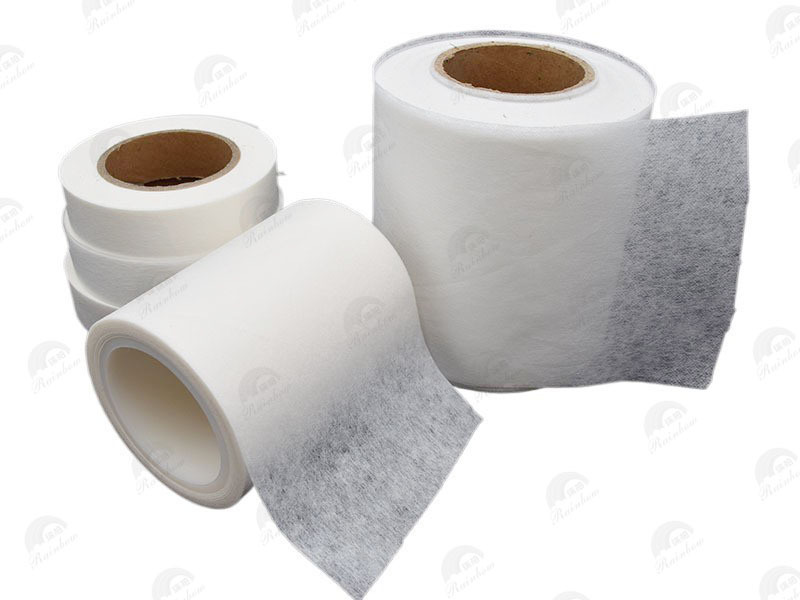
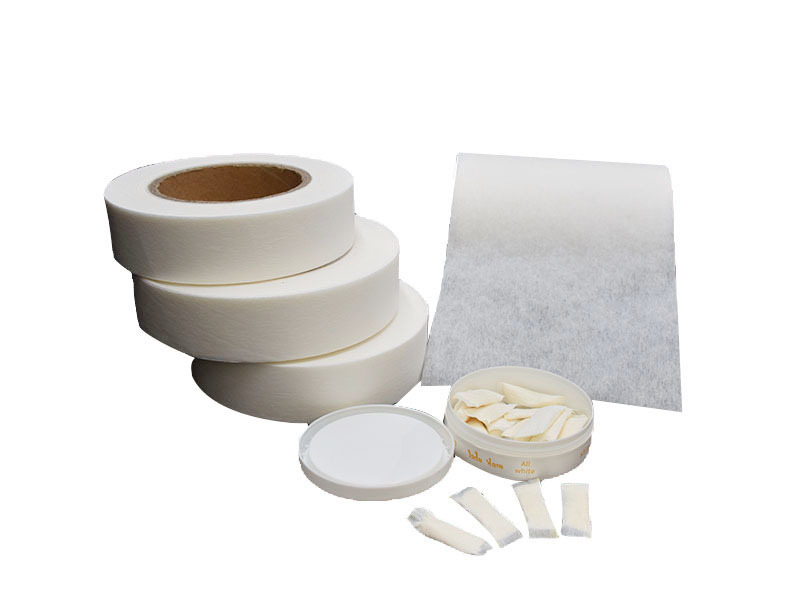
fusible nonwoven interlining
Latest News


Nantong Rainbow Nonwoven Tech Co.,Ltd.
Telephone:+86-13587673537 +86-15851257231
E-mail:chrislc717@163.com christy@ntrainbow.com
sales1@ntrainbow.com
Address: (No. 88, Sanzong South Road) Group 42, Xichansi Village, Xiting Town, Tongzhou District, Nantong City, Jiangsu Province

Copyright©2024 Nantong Rainbow Technology Co., Ltd. | Powered by www.300.cn
Copyright©2024 Nantong Rainbow Technology Co., Ltd.
Powered by www.300.cn