
Understanding Polyester Interlining for Garment Applications
Release time:
2026-02-09
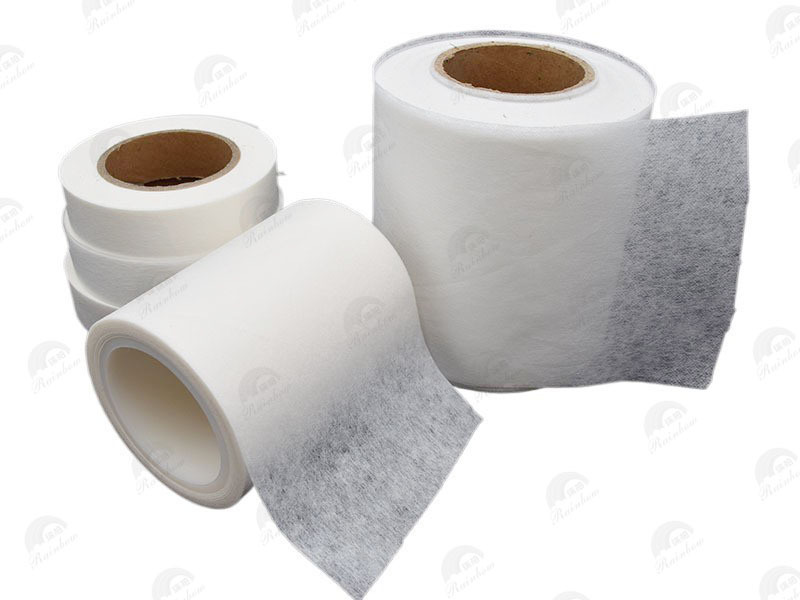
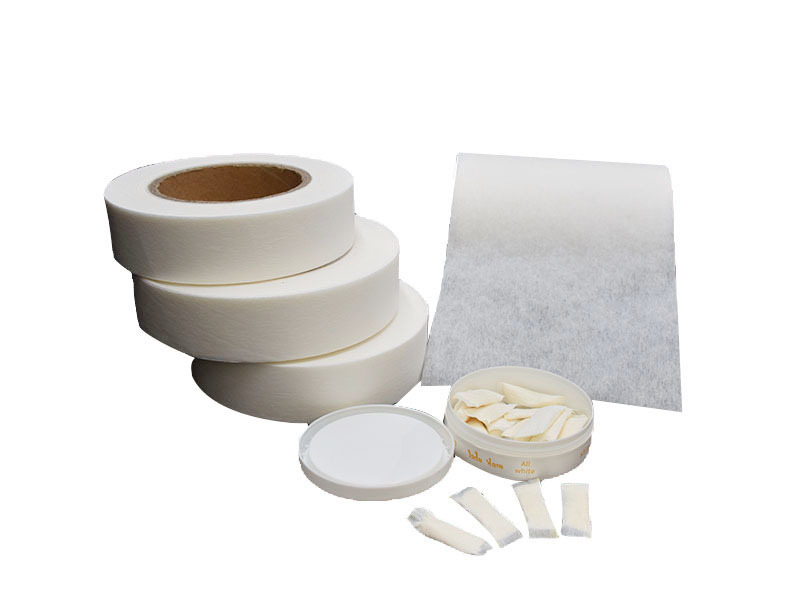
Polyester interlining is a vital textile component widely used in the garment industry, primarily known for its versatility and functionality. As a reinforcing layer, polyester interlining is often positioned between the outer fabric and the lining of garments, playing a critical role in providing structure and support. Its lightweight nature ensures that it does not add unnecessary bulk to the finished product, making it an ideal choice for a variety of garments, including suits, jackets, and dresses.
One of the most significant advantages of polyester interlining is its excellent dimensional stability. It maintains its shape and size even after repeated washing and wearing, which is essential for ensuring that garments retain their intended form over time. This stability is particularly beneficial for tailored clothing, as it helps maintain sharp lines and a polished appearance, which are hallmarks of high-quality garments.
In addition to its stability, polyester interlining is known for its compatibility with a wide range of fabrics. It can be used effectively with both woven and knitted materials, making it a versatile option for designers and manufacturers. The ability to bond well with various fabrics allows for creative freedom in garment design, enabling the use of innovative textiles without compromising on quality.
Moreover, polyester interlining offers excellent resilience and recovery properties. It can withstand the rigors of daily wear and tear, ensuring that garments look new and fresh for an extended period. This durability is complemented by its resistance to wrinkles and creasing, which contributes to the overall aesthetics of the garment and reduces the need for frequent ironing.
Another important aspect to consider is the ease of care associated with polyester interlining. Fabrics that incorporate this type of interlining typically require less maintenance, as they are less likely to shrink or stretch when laundered. This feature is particularly appealing to consumers who prefer low-maintenance clothing options.
When selecting polyester interlining for garment production, it is crucial to consider factors such as weight, thickness, and adhesive properties. Different applications may call for varying specifications, so it is essential to choose the right interlining to complement the outer fabric and meet the desired design intent.
In conclusion, polyester interlining is an indispensable component in garment manufacturing, providing structural support, durability, and aesthetic enhancement. Its diverse properties make it a preferred choice among industry professionals aiming to produce high-quality garments that meet consumer expectations. Understanding the characteristics and benefits of polyester interlining can empower designers and manufacturers to create superior apparel that stands out in a competitive market.
One of the most significant advantages of polyester interlining is its excellent dimensional stability. It maintains its shape and size even after repeated washing and wearing, which is essential for ensuring that garments retain their intended form over time. This stability is particularly beneficial for tailored clothing, as it helps maintain sharp lines and a polished appearance, which are hallmarks of high-quality garments.
In addition to its stability, polyester interlining is known for its compatibility with a wide range of fabrics. It can be used effectively with both woven and knitted materials, making it a versatile option for designers and manufacturers. The ability to bond well with various fabrics allows for creative freedom in garment design, enabling the use of innovative textiles without compromising on quality.
Moreover, polyester interlining offers excellent resilience and recovery properties. It can withstand the rigors of daily wear and tear, ensuring that garments look new and fresh for an extended period. This durability is complemented by its resistance to wrinkles and creasing, which contributes to the overall aesthetics of the garment and reduces the need for frequent ironing.
Another important aspect to consider is the ease of care associated with polyester interlining. Fabrics that incorporate this type of interlining typically require less maintenance, as they are less likely to shrink or stretch when laundered. This feature is particularly appealing to consumers who prefer low-maintenance clothing options.
When selecting polyester interlining for garment production, it is crucial to consider factors such as weight, thickness, and adhesive properties. Different applications may call for varying specifications, so it is essential to choose the right interlining to complement the outer fabric and meet the desired design intent.
In conclusion, polyester interlining is an indispensable component in garment manufacturing, providing structural support, durability, and aesthetic enhancement. Its diverse properties make it a preferred choice among industry professionals aiming to produce high-quality garments that meet consumer expectations. Understanding the characteristics and benefits of polyester interlining can empower designers and manufacturers to create superior apparel that stands out in a competitive market.
polyester interlining for garment
Latest News


Nantong Rainbow Nonwoven Tech Co.,Ltd.
Telephone:+86-13587673537 +86-15851257231
E-mail:chrislc717@163.com christy@ntrainbow.com
sales1@ntrainbow.com
Address: (No. 88, Sanzong South Road) Group 42, Xichansi Village, Xiting Town, Tongzhou District, Nantong City, Jiangsu Province

Copyright©2024 Nantong Rainbow Technology Co., Ltd. | Powered by www.300.cn
Copyright©2024 Nantong Rainbow Technology Co., Ltd.
Powered by www.300.cn