
Understanding Chemical Bonded Nonwoven Fusible Interlining: A Comprehensive Guide for Textile Professionals
Release time:
2026-02-05
Chemical bonded nonwoven fusible interlining is a crucial component in the textile industry, particularly in garment making. It serves as an essential aid in providing structure and support to various fabrics. Understanding its properties and applications can significantly enhance the quality and durability of finished products.
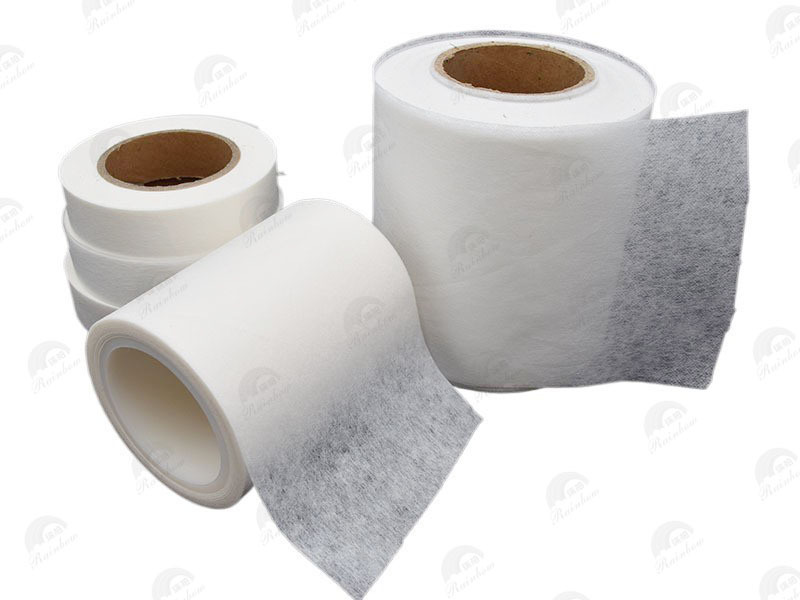
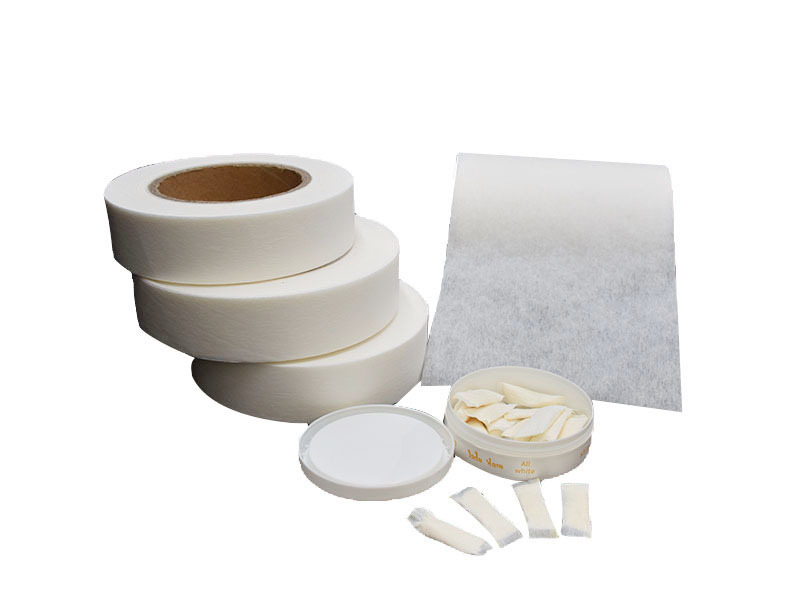
At its core, chemical bonded nonwoven fusible interlining is made from synthetic fibers that are bonded together using a chemical process, rather than through traditional weaving or knitting methods. This unique bonding technique allows for a lightweight and flexible material that can be easily fused to the fabric using heat and pressure. The result is a stable and durable interlining that maintains its shape and integrity over time.
One of the primary advantages of using chemical bonded nonwoven fusible interlining is its versatility. It can be applied to a wide range of fabrics, including cotton, polyester, and blends, making it suitable for various applications, from apparel to home textiles. This type of interlining is particularly beneficial for areas requiring additional support, such as collars, cuffs, and waistbands, as it provides the necessary stiffness without compromising the overall drape of the garment.
Moreover, the fusible nature of this interlining makes it convenient for manufacturers. The bonding process is straightforward—once heat is applied, the interlining adheres to the fabric, creating a seamless integration that enhances the garment’s structure. This eliminates the need for additional stitching, which can save time and reduce production costs, making it an appealing choice for mass production.
In addition to its structural benefits, chemical bonded nonwoven fusible interlining can also enhance the overall aesthetic of the garment. It can improve the fabric's hand feel, making it more comfortable for the wearer. Additionally, it can aid in maintaining the fabric's appearance, reducing wrinkling and improving the longevity of the garment.
When selecting chemical bonded nonwoven fusible interlining, professionals should consider factors such as the weight, thickness, and adhesive properties, as these can greatly affect the final outcome of the garment. It's essential to choose an interlining that complements the outer fabric to ensure optimal performance.
In conclusion, understanding chemical bonded nonwoven fusible interlining is vital for textile professionals aiming to improve their garment construction techniques. Its unique properties and ease of application make it a preferred choice in the industry, enabling manufacturers to produce high-quality, durable, and aesthetically pleasing garments. By incorporating this innovative material, professionals can elevate their products and meet the demands of modern consumers.
At its core, chemical bonded nonwoven fusible interlining is made from synthetic fibers that are bonded together using a chemical process, rather than through traditional weaving or knitting methods. This unique bonding technique allows for a lightweight and flexible material that can be easily fused to the fabric using heat and pressure. The result is a stable and durable interlining that maintains its shape and integrity over time.
One of the primary advantages of using chemical bonded nonwoven fusible interlining is its versatility. It can be applied to a wide range of fabrics, including cotton, polyester, and blends, making it suitable for various applications, from apparel to home textiles. This type of interlining is particularly beneficial for areas requiring additional support, such as collars, cuffs, and waistbands, as it provides the necessary stiffness without compromising the overall drape of the garment.
Moreover, the fusible nature of this interlining makes it convenient for manufacturers. The bonding process is straightforward—once heat is applied, the interlining adheres to the fabric, creating a seamless integration that enhances the garment’s structure. This eliminates the need for additional stitching, which can save time and reduce production costs, making it an appealing choice for mass production.
In addition to its structural benefits, chemical bonded nonwoven fusible interlining can also enhance the overall aesthetic of the garment. It can improve the fabric's hand feel, making it more comfortable for the wearer. Additionally, it can aid in maintaining the fabric's appearance, reducing wrinkling and improving the longevity of the garment.
When selecting chemical bonded nonwoven fusible interlining, professionals should consider factors such as the weight, thickness, and adhesive properties, as these can greatly affect the final outcome of the garment. It's essential to choose an interlining that complements the outer fabric to ensure optimal performance.
In conclusion, understanding chemical bonded nonwoven fusible interlining is vital for textile professionals aiming to improve their garment construction techniques. Its unique properties and ease of application make it a preferred choice in the industry, enabling manufacturers to produce high-quality, durable, and aesthetically pleasing garments. By incorporating this innovative material, professionals can elevate their products and meet the demands of modern consumers.
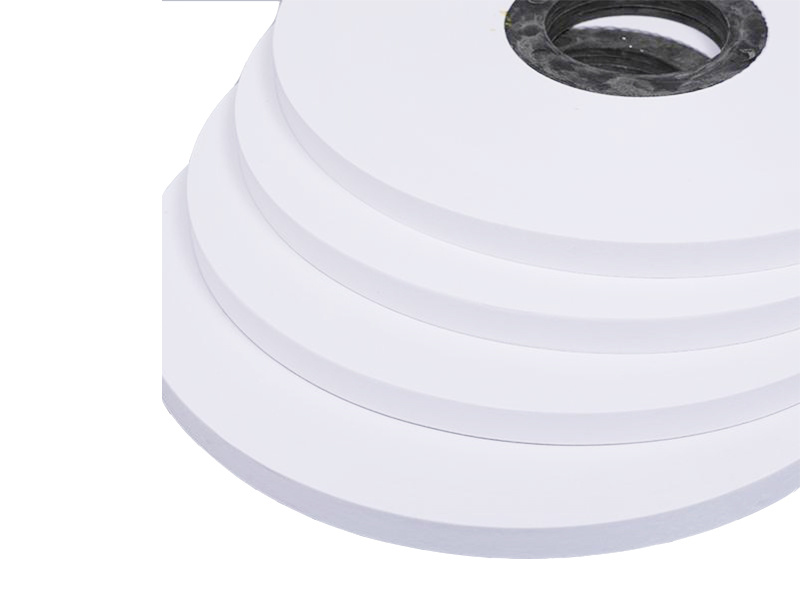
chemical bonded Nonwoven fusible interlining
Latest News


Nantong Rainbow Nonwoven Tech Co.,Ltd.
Telephone:+86-13587673537 +86-15851257231
E-mail:chrislc717@163.com christy@ntrainbow.com
sales1@ntrainbow.com
Address: (No. 88, Sanzong South Road) Group 42, Xichansi Village, Xiting Town, Tongzhou District, Nantong City, Jiangsu Province

Copyright©2024 Nantong Rainbow Technology Co., Ltd. | Powered by www.300.cn
Copyright©2024 Nantong Rainbow Technology Co., Ltd.
Powered by www.300.cn