
The Science Behind Woven Fusible Interlining: Unveiling Its Mechanisms and Benefits
Release time:
2026-02-03
The Science Behind Woven Fusible Interlining: How It Works
Introduction to Woven Fusible Interlining
Woven fusible interlining is a critical component in the textile industry, especially in garment construction. This specialized fabric is designed to provide structure, support, and durability to various apparel and home textiles. Understanding the **science behind woven fusible interlining** can significantly enhance sewing skills and improve final product quality. With its unique properties and functionality, woven fusible interlining has become an essential companion for designers and manufacturers alike.
What is Woven Fusible Interlining?
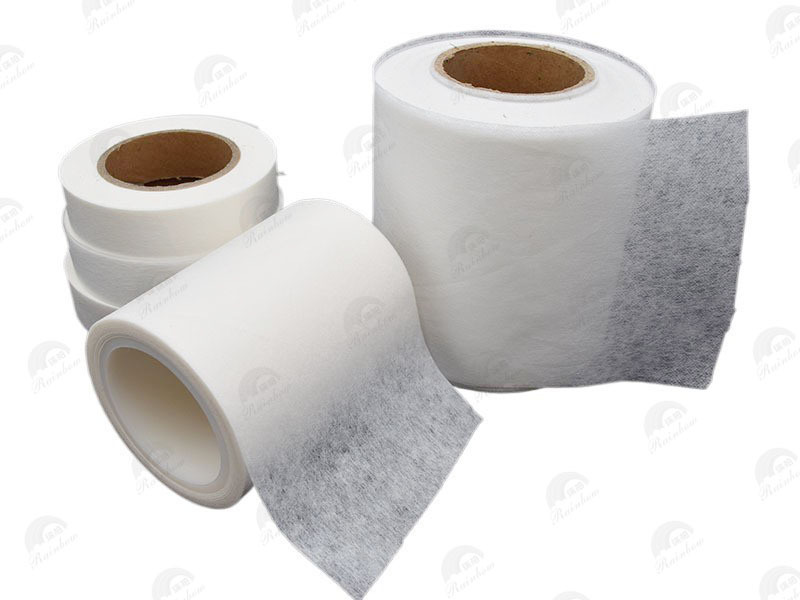
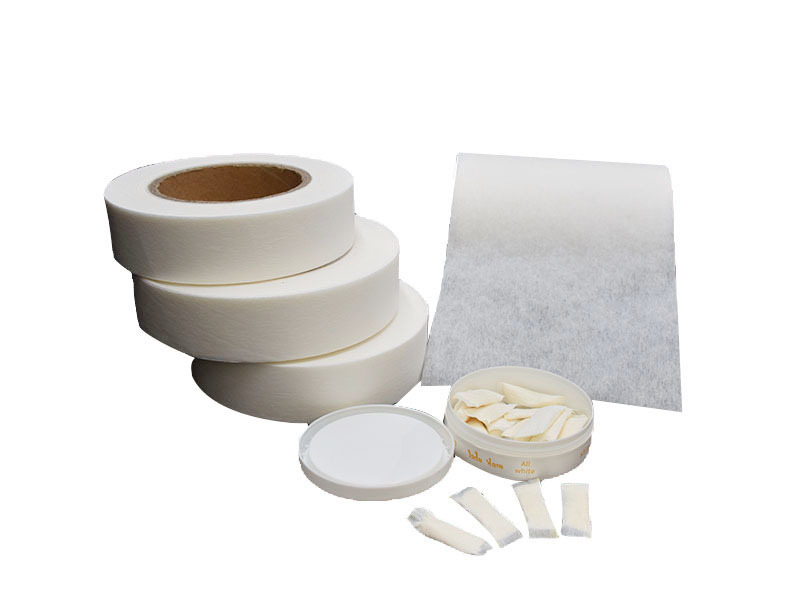
Woven fusible interlining is a type of non-woven fabric that has a layer of adhesive on one side. This adhesive allows the interlining to bond permanently to the outer fabric when heat is applied. Unlike traditional interfacing, which may be purely structural, woven fusible interlining combines both structural and aesthetic qualities, making it an ideal choice for a wide range of textiles.
Types of Woven Fusible Interlining
There are various types of woven fusible interlining, each designed for specific applications. Understanding these types can help in selecting the right interlining for your needs.
1. Light-weight Fusible Interlining
Light-weight woven fusible interlining is perfect for delicate fabrics such as silk or chiffon. It provides minimal structure while enhancing the fabric's drape and overall appearance.
2. Medium-weight Fusible Interlining
This type is suitable for general-purpose applications. It provides a balanced level of support, making it an excellent choice for blouses, shirts, and dresses.
3. Heavy-weight Fusible Interlining
Heavy-weight interlining is designed for thicker fabrics like wool or denim. It offers maximum support and structure, making it ideal for tailored garments such as jackets and coats.
How Woven Fusible Interlining Works
The functionality of woven fusible interlining lies in its unique construction and adhesive properties. The interlining consists of tightly woven threads that provide flexibility and strength. The adhesive layer is typically made from thermoplastic polymers, which become pliable when heated.
The Adhesion Process
Applying woven fusible interlining involves a straightforward process:
1. **Preparation**: Begin by cutting the interlining to the required size and shape. Ensure that it is slightly smaller than the fabric to prevent any visible edges.
2. **Alignment**: Place the adhesive side of the interlining against the wrong side of the fabric. Ensure proper alignment to maintain the intended design.
3. **Heat Application**: Using an iron set to the appropriate temperature, press down firmly on the fabric for a few seconds. The heat activates the adhesive, allowing it to bond with the fabric fibers.
4. **Cooling**: Allow the fabric to cool completely to secure the bond.
This bonding process ensures that the fabric retains its shape and structure throughout its lifecycle, providing long-lasting durability.
The Benefits of Using Woven Fusible Interlining
Incorporating woven fusible interlining into garment construction offers numerous advantages that enhance both functionality and aesthetic appeal.
1. Improved Structure and Shape Retention
Woven fusible interlining adds necessary stiffness and support to fabrics, allowing garments to maintain their shape. This is especially vital for tailored items like collars, cuffs, and waistbands.
2. Enhanced Durability
By reinforcing the fabric, woven fusible interlining increases the longevity of garments, preventing wear and tear over time. This quality is particularly crucial for items that undergo frequent washing and use.
3. Aesthetic Enhancement
The right type of interlining can improve the overall appearance of a garment. It adds a polished finish, enhancing drape and visual appeal. Whether it's a structured blazer or a flowing dress, the right interlining can make a significant difference.
4. Versatility in Application
Woven fusible interlining can be used in various applications beyond garments, including home textiles like curtains, upholstery, and crafts. Its versatility makes it a valuable asset in any sewing project.
5. Reduced Sewing Time
Using woven fusible interlining can streamline the sewing process, reducing the time spent on finishing seams and edges. This efficiency is especially beneficial for high-volume production.
Common Applications of Woven Fusible Interlining
Woven fusible interlining is widely used across various sectors in the textile industry. Its adaptability makes it suitable for numerous applications.
1. Apparel Construction
From shirts to formal dresses, woven fusible interlining is crucial in providing structure and shape. It is often used in areas requiring additional support, such as collars, cuffs, and facings.
2. Home Textiles
In home decor, woven fusible interlining enhances curtains, drapes, and upholstery. It provides a clean finish and improved durability for items exposed to wear and tear.
3. Crafts and DIY Projects
Crafters and hobbyists utilize woven fusible interlining in various projects, including quilts, bags, and decorative items. Its ease of use and strong bonding capabilities make it a favorite among DIY enthusiasts.
Choosing the Right Woven Fusible Interlining
Selecting the appropriate woven fusible interlining is essential for achieving the desired results in your sewing projects. Here are key factors to consider:
1. Fabric Type
Different fabrics require different types of interlining. Always match the weight and characteristics of the woven fusible interlining to the outer fabric for optimal results.
2. Intended Use
Consider the final use of the garment or item. Heavier fabrics may require heavy-weight interlining, while delicate materials benefit from lightweight options.
3. Adhesive Quality
The quality of the adhesive plays a significant role in the performance of the interlining. Look for products that offer a strong bond without compromising the fabric's integrity.
FAQs About Woven Fusible Interlining
1. What is the difference between woven and non-woven fusible interlining?
Woven fusible interlining is made from woven threads, offering more structure and durability compared to non-woven interlining, which is typically softer but lacks rigidity.
2. Can I wash garments made with woven fusible interlining?
Yes, garments made with woven fusible interlining can be washed. However, always follow care instructions to maintain the integrity of both the fabric and the interlining.
3. How do I know which weight of interlining to choose?
Select the weight of interlining based on the fabric you are using. Lightweight fabrics require lightweight interlining, while heavier fabrics benefit from medium to heavy-weight options.
4. Can I use woven fusible interlining for all types of fabrics?
While woven fusible interlining is versatile, it is essential to match the interlining type with the fabric characteristics to avoid damaging delicate materials.
5. How long does the bond last after applying woven fusible interlining?
The bond provided by woven fusible interlining is designed to last through multiple washes, but longevity depends on the quality of the adhesive and care taken during washing.
Conclusion
Woven fusible interlining is a remarkable innovation in the textile industry, offering essential benefits for garment construction and home textiles. Understanding how it works, its applications, and the various types available empowers designers and manufacturers to create high-quality, durable products. By leveraging the advantages of woven fusible interlining, you can enhance the professional quality of your sewing projects, ensuring that every piece not only looks great but also stands the test of time. As the textile industry continues to evolve, woven fusible interlining will remain a fundamental element, bridging the gap between functionality and aesthetic appeal.
woven fusible interlining
Latest News


Nantong Rainbow Nonwoven Tech Co.,Ltd.
Telephone:+86-13587673537 +86-15851257231
E-mail:chrislc717@163.com christy@ntrainbow.com
sales1@ntrainbow.com
Address: (No. 88, Sanzong South Road) Group 42, Xichansi Village, Xiting Town, Tongzhou District, Nantong City, Jiangsu Province

Copyright©2024 Nantong Rainbow Technology Co., Ltd. | Powered by www.300.cn
Copyright©2024 Nantong Rainbow Technology Co., Ltd.
Powered by www.300.cn