
The Versatility and Benefits of Chemical Bonded Nonwoven Fusible Interlining
Release time:
2026-01-20
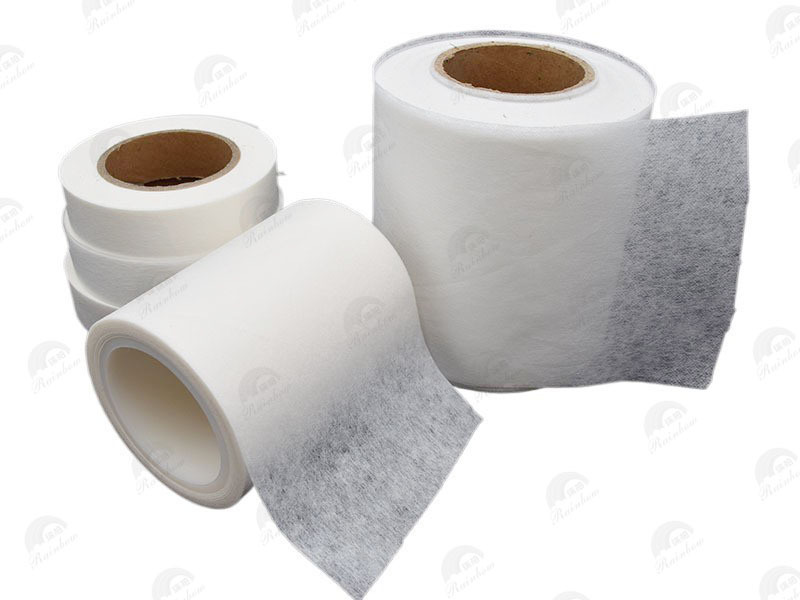
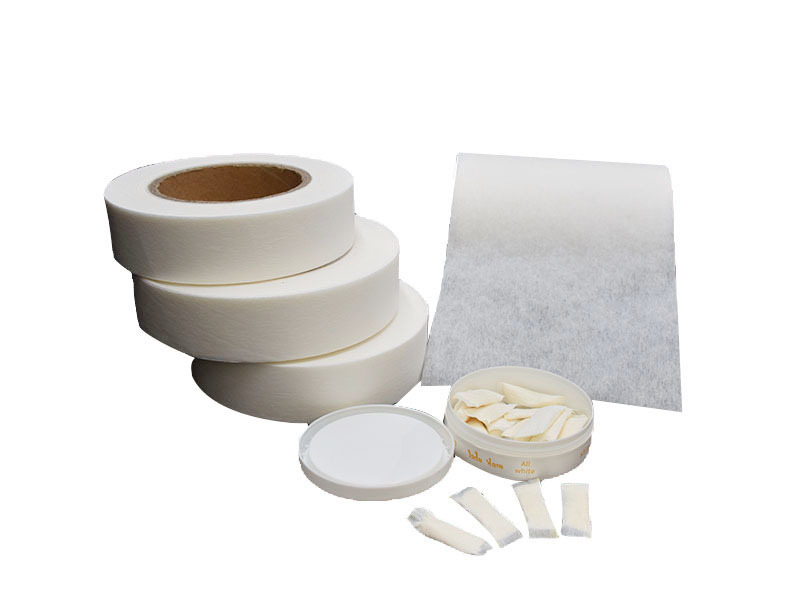
Chemical bonded nonwoven fusible interlining is an innovative textile solution widely used in the garment industry, particularly for enhancing the quality and performance of fabrics. This type of interlining is created through a process that involves bonding fibers together using chemical adhesives rather than traditional mechanical methods. The result is a lightweight and versatile material that can be seamlessly integrated into various garments, providing essential structural support and improving overall fabric integrity.
One of the most notable advantages of chemical bonded nonwoven fusible interlining is its ability to combine strength and flexibility. Unlike woven interlinings, which can add bulk and rigidity, nonwoven options maintain a soft drape while still reinforcing the fabric. This property is particularly beneficial in areas that require a delicate balance between structure and comfort, such as collars, cuffs, and lapels in shirts and outerwear.
Moreover, the chemical bonding process enhances the interlining's resistance to fraying and unraveling, making it an excellent choice for high-stress areas. This durability plays a significant role in the longevity of garments, allowing them to withstand regular wear and tear without compromising their shape or appearance. Additionally, the smooth surface of chemical bonded nonwoven fusible interlining enables it to easily fuse with various outer fabrics, resulting in clean edges and a polished finish.
Another key feature of this interlining is its breathability. Many chemical bonded nonwoven options incorporate moisture-wicking properties, which help regulate temperature and promote comfort for the wearer. This is particularly advantageous in activewear and casual clothing, where breathability can significantly enhance the user experience.
In terms of sustainability, the production of chemical bonded nonwoven fusible interlining often involves the use of eco-friendly materials, contributing to a reduced environmental impact. Manufacturers are increasingly focusing on sourcing sustainable fibers and employing eco-conscious production processes, which aligns with the growing demand for environmentally friendly textiles in the fashion industry.
When selecting the right type of chemical bonded nonwoven fusible interlining for your projects, consider factors such as weight, thickness, and adhesive properties. These characteristics can vary widely between products, allowing for tailored solutions to meet specific garment requirements.
In conclusion, chemical bonded nonwoven fusible interlining presents a modern and efficient choice for enhancing fabric performance in the textile industry. With its unique blend of strength, flexibility, and sustainability, this innovative interlining solution stands out as a crucial element in creating high-quality garments that not only look good but also feel comfortable and last longer. By understanding its benefits and applications, manufacturers can make informed decisions that elevate their products in today's competitive market.
One of the most notable advantages of chemical bonded nonwoven fusible interlining is its ability to combine strength and flexibility. Unlike woven interlinings, which can add bulk and rigidity, nonwoven options maintain a soft drape while still reinforcing the fabric. This property is particularly beneficial in areas that require a delicate balance between structure and comfort, such as collars, cuffs, and lapels in shirts and outerwear.
Moreover, the chemical bonding process enhances the interlining's resistance to fraying and unraveling, making it an excellent choice for high-stress areas. This durability plays a significant role in the longevity of garments, allowing them to withstand regular wear and tear without compromising their shape or appearance. Additionally, the smooth surface of chemical bonded nonwoven fusible interlining enables it to easily fuse with various outer fabrics, resulting in clean edges and a polished finish.
Another key feature of this interlining is its breathability. Many chemical bonded nonwoven options incorporate moisture-wicking properties, which help regulate temperature and promote comfort for the wearer. This is particularly advantageous in activewear and casual clothing, where breathability can significantly enhance the user experience.
In terms of sustainability, the production of chemical bonded nonwoven fusible interlining often involves the use of eco-friendly materials, contributing to a reduced environmental impact. Manufacturers are increasingly focusing on sourcing sustainable fibers and employing eco-conscious production processes, which aligns with the growing demand for environmentally friendly textiles in the fashion industry.
When selecting the right type of chemical bonded nonwoven fusible interlining for your projects, consider factors such as weight, thickness, and adhesive properties. These characteristics can vary widely between products, allowing for tailored solutions to meet specific garment requirements.
In conclusion, chemical bonded nonwoven fusible interlining presents a modern and efficient choice for enhancing fabric performance in the textile industry. With its unique blend of strength, flexibility, and sustainability, this innovative interlining solution stands out as a crucial element in creating high-quality garments that not only look good but also feel comfortable and last longer. By understanding its benefits and applications, manufacturers can make informed decisions that elevate their products in today's competitive market.
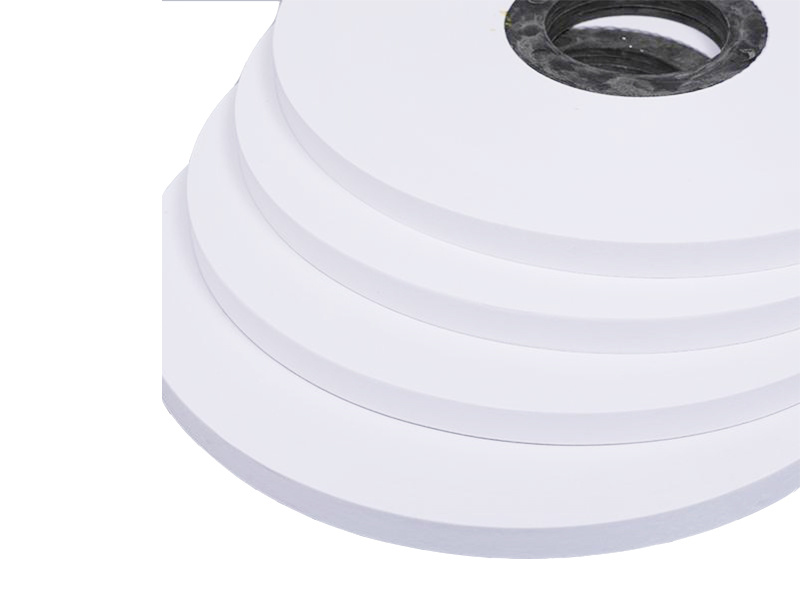
chemical bonded Nonwoven fusible interlining
Latest News


Nantong Rainbow Nonwoven Tech Co.,Ltd.
Telephone:+86-13587673537 +86-15851257231
E-mail:chrislc717@163.com christy@ntrainbow.com
sales1@ntrainbow.com
Address: (No. 88, Sanzong South Road) Group 42, Xichansi Village, Xiting Town, Tongzhou District, Nantong City, Jiangsu Province

Copyright©2024 Nantong Rainbow Technology Co., Ltd. | Powered by www.300.cn
Copyright©2024 Nantong Rainbow Technology Co., Ltd.
Powered by www.300.cn