
Maximizing the Durability of Your Garments with Woven Fusible Interlining
Release time:
2026-01-18
Maximizing the Durability of Your Garments with Woven Fusible Interlining
Table of Contents
- Understanding Woven Fusible Interlining
- Benefits of Woven Fusible Interlining
- Types of Woven Fusible Interlining
- Applications of Woven Fusible Interlining
- How to Use Woven Fusible Interlining
- Best Practices for Sewing with Interlining
- Common Mistakes to Avoid
- Frequently Asked Questions
- Conclusion
Understanding Woven Fusible Interlining
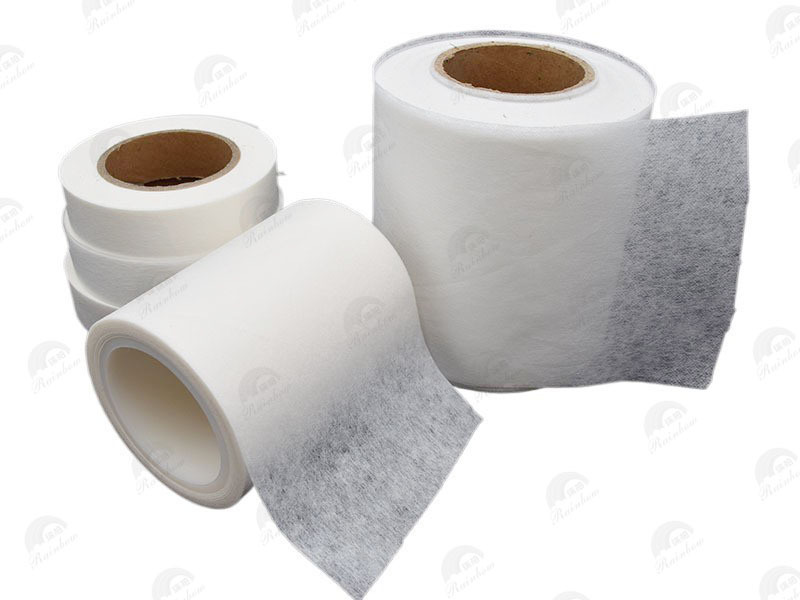
Woven fusible interlining plays a crucial role in the world of textiles, particularly in garment construction. It is a specialized fabric that adheres to the main fabric of a garment to provide structure, support, and durability. The interlining is typically made from a blend of fibers and is coated with an adhesive on one side. When heat is applied through an iron, the adhesive melts, bonding the interlining to the fabric.
This process is vital for ensuring that garments maintain their shape and withstand wear and tear. By integrating woven fusible interlining, designers and manufacturers can create garments that feature both form and functionality, appealing to consumers who prioritize quality.
Benefits of Woven Fusible Interlining
The inclusion of woven fusible interlining in garment production offers numerous benefits that enhance the overall quality and lifespan of clothing. Below are some key advantages:
1. Improved Structural Integrity
Woven fusible interlining provides essential support to various garment components, such as collars, cuffs, and waistbands. This added structure ensures that these areas do not sag or lose their shape over time.
2. Enhanced Durability
Fabrics that incorporate woven fusible interlining are generally more resilient against wear and tear. The interlining acts as a protective barrier, reducing fraying and extending the life of the garment.
3. Better Fit
By providing additional support, woven fusible interlining helps garments maintain their intended fit. This leads to a more polished appearance for the wearer and enhances the garment's overall aesthetic.
4. Versatility in Design
Woven fusible interlining is available in various weights and textures, allowing designers to choose the appropriate type for different garment styles. This versatility enables creativity while ensuring functionality.
5. Easy Application
The application process for woven fusible interlining is straightforward. With the right tools, such as a heat press or iron, both novice and experienced sewists can achieve professional results.
Types of Woven Fusible Interlining
Selecting the appropriate woven fusible interlining is crucial for achieving optimal results in garment construction. Below, we explore the different types available in the market:
1. Lightweight Interlining
Lightweight woven fusible interlining is perfect for delicate fabrics. It adds minimal weight while providing necessary structure. Ideal for blouses and lightweight dresses, this type of interlining ensures that garments remain comfortable and breathable.
2. Mediumweight Interlining
Mediumweight options offer a balance between support and flexibility. Suitable for tailored garments like jackets and coats, this interlining provides enough structure without compromising the garment’s drape.
3. Heavyweight Interlining
Heavyweight woven fusible interlining is designed for more structured items. It is commonly used in tailored suits and outerwear where significant support is required. This type provides a robust foundation for the garment.
4. Specialty Interlining
Some fabrics feature unique characteristics, such as stretch or insulation. Specialty woven fusible interlinings cater to these requirements, allowing designers to achieve specific effects and functionalities in their garments.
Applications of Woven Fusible Interlining
Woven fusible interlining finds applications across various types of garments. Understanding where to use it will allow you to make the most of its benefits:
1. Collars and Cuffs
Using woven fusible interlining in collars and cuffs helps maintain their shape and prevents them from becoming floppy. This is essential for achieving a sharp and professional look, especially in dress shirts.
2. Waistbands and Hems
Applying interlining to waistbands and hems ensures that these areas remain secure and stable. This is particularly important in pants and skirts, where a sagging waistband can detract from the garment’s overall appearance.
3. Shoulder Pads
In tailored garments, woven fusible interlining can serve as an effective component for shoulder pads, providing added support and structure. This enhances the silhouette of the garment and contributes to a polished effect.
4. Structured Garments
For items like blazers and tailored coats, woven fusible interlining is indispensable. It aids in shaping and structuring, ensuring that these garments present a sharp aesthetic.
How to Use Woven Fusible Interlining
Applying woven fusible interlining may seem daunting at first, but following a few straightforward steps can simplify the process:
1. Preparing Your Fabric
Before application, ensure that both your main fabric and the interlining are clean and smooth. Pre-wash your fabrics to prevent any shrinkage after the garment is completed.
2. Cutting the Interlining
Cut the woven fusible interlining to match the pattern pieces of your main fabric. Remember to allow for seam allowances, as this will ensure a seamless application.
3. Positioning the Interlining
Place the adhesive side of the interlining against the wrong side of the main fabric. Ensure that the edges align properly to maintain accuracy.
4. Applying Heat
Using a heat press or iron, apply heat evenly across the interlining. Follow the manufacturer’s instructions regarding temperature and pressure settings. This step is crucial for ensuring a strong bond.
5. Letting it Cool
Allow the fabric to cool completely before handling. This will help the adhesive set properly and secure the interlining in place.
Best Practices for Sewing with Interlining
To achieve the best results when sewing with woven fusible interlining, consider the following best practices:
1. Test Before You Sew
Always perform a test run on a scrap piece of fabric to ensure that the interlining adheres properly without damaging the main fabric.
2. Use the Right Needle
Select a needle appropriate for the fabric thickness. A universal or microtex needle works well for most interlinings, ensuring smooth stitching without snagging.
3. Adjust Tension Settings
When sewing through multiple layers, be mindful of your machine’s tension settings. Adjusting the tension will prevent puckering and ensure smooth seams.
4. Press Regularly
Press as you sew. Regular pressing helps to set seams and maintains a clean and professional appearance in the finished garment.
Common Mistakes to Avoid
While working with woven fusible interlining, some common pitfalls can lead to suboptimal results:
1. Ignoring Fabric Compatibility
Not all fabrics work well with every type of interlining. Ensure compatibility to avoid issues during application or wear.
2. Skipping Preparation Steps
Properly preparing your fabric and interlining is crucial. Skipping these steps can result in uneven adhesion and overall poor performance.
3. Incorrect Temperature Settings
Using too high or too low of a temperature can lead to inadequate bonding or damage to the fabric. Always follow the guidelines provided by the interlining manufacturer.
4. Over-Pressing
Excessive heat and pressure can cause the interlining to become overly stiff, affecting the garment's drape. Strike a balance to maintain flexibility.
Frequently Asked Questions
1. What is the primary purpose of woven fusible interlining?
Woven fusible interlining is used to provide structure and support to garments, enhancing their durability and fit.
2. Can I use woven fusible interlining on all types of fabrics?
While many fabrics can accommodate woven fusible interlining, it’s essential to consider the fabric’s characteristics. Always test compatibility before application.
3. How do I know which type of interlining to use?
Choose the type of interlining based on the garment’s intended use and the fabric weight. Lightweight is suitable for delicate fabrics, while heavyweight is ideal for structured garments.
4. Is it possible to remove woven fusible interlining?
Removing woven fusible interlining can be challenging, as the adhesive may damage the main fabric. It’s best to apply it carefully and only when necessary.
5. How can I ensure a strong bond between the interlining and fabric?
Using appropriate heat settings, ensuring both fabrics are clean, and allowing them to cool properly will contribute to a strong bond.
Conclusion
Incorporating woven fusible interlining into garment construction is a game-changer for enhancing durability and achieving a polished finish. By understanding its benefits, types, applications, and best practices, you can maximize the quality of your garments while ensuring they withstand the test of time. Whether you are a seasoned designer or a hobbyist, mastering the art of interlining application will undoubtedly elevate your sewing projects to new heights. Embrace the potential of woven fusible interlining, and watch your creations flourish in both durability and style.
woven fusible interlining
Latest News


Nantong Rainbow Nonwoven Tech Co.,Ltd.
Telephone:+86-13587673537 +86-15851257231
E-mail:chrislc717@163.com christy@ntrainbow.com
sales1@ntrainbow.com
Address: (No. 88, Sanzong South Road) Group 42, Xichansi Village, Xiting Town, Tongzhou District, Nantong City, Jiangsu Province

Copyright©2024 Nantong Rainbow Technology Co., Ltd. | Powered by www.300.cn
Copyright©2024 Nantong Rainbow Technology Co., Ltd.
Powered by www.300.cn