
Exploring the Versatility of Fusible Nonwoven Interlining in Fashion Design
Release time:
2026-01-22
Exploring the Versatility of Fusible Nonwoven Interlining in Fashion Design
Table of Contents
- 1. Introduction to Fusible Nonwoven Interlining
- 2. What is Fusible Nonwoven Interlining?
- 3. Types of Fusible Nonwoven Interlining
- 4. Benefits of Using Fusible Nonwoven Interlining in Fashion
- 5. Applications of Fusible Nonwoven Interlining in Fashion Design
- 6. How to Choose the Right Fusible Nonwoven Interlining
- 7. Application Techniques for Fusible Nonwoven Interlining
- 8. Sustainability and Future Trends in Fusible Nonwoven Interlining
- 9. Frequently Asked Questions (FAQ)
- 10. Conclusion
1. Introduction to Fusible Nonwoven Interlining
Fusible nonwoven interlining is an essential element in the world of fashion design. It serves as a crucial interface between fabric layers, providing structure, support, and stability to garments. As designers seek to create innovative and stylish pieces, understanding the versatility of this material becomes increasingly important.
In this article, we will explore the different types of fusible nonwoven interlining, its benefits, applications, and how it contributes to the overall aesthetics and functionality of fashion items. We aim to provide you with a comprehensive understanding of this invaluable textile component, ensuring you can harness its potential in your designs.
2. What is Fusible Nonwoven Interlining?
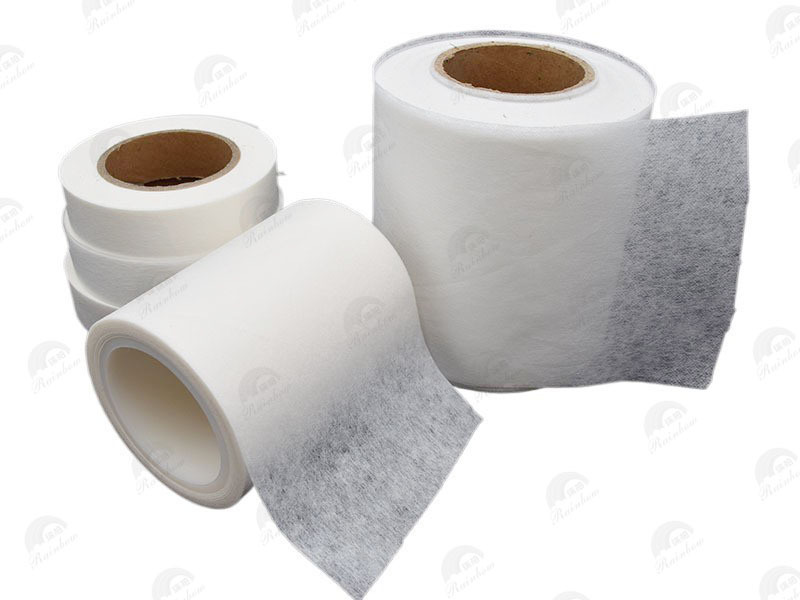
Fusible nonwoven interlining is a type of interlining that is made from a web of fibers that are bonded together, typically using heat and pressure. This unique construction creates a lightweight, breathable material that is easy to apply to various fabrics. The fusible aspect refers to the adhesive layer that enables the interlining to bond securely to the primary fabric when heat is applied.
Fusible nonwoven interlining is available in various weights, textures, and stiffness levels, making it suitable for a wide range of applications in fashion design. Its versatility allows designers to enhance the structure of garments without adding excessive bulk, thereby maintaining the overall flow and drape of the fabric.
3. Types of Fusible Nonwoven Interlining
Understanding the different types of fusible nonwoven interlining is vital for selecting the right material for specific design needs. Here are some common types:
3.1 Light-weight Fusible Nonwoven Interlining
Light-weight options are perfect for delicate fabrics, providing just enough support without compromising the drape. They are often used in blouses, linings, and lightweight jackets.
3.2 Medium-weight Fusible Nonwoven Interlining
Medium-weight interlinings offer a balance between support and flexibility. They are versatile enough for various garments, including dresses, skirts, and tailored blazers.
3.3 Heavy-weight Fusible Nonwoven Interlining
Heavy-weight interlining provides maximum structure and support, making it ideal for tailored garments and outerwear. It is often used for coats and jackets where durability is essential.
4. Benefits of Using Fusible Nonwoven Interlining in Fashion
The advantages of fusible nonwoven interlining extend beyond mere structure. Here are some key benefits:
4.1 Enhanced Garment Structure
Fusible nonwoven interlining provides the necessary support to help garments maintain their shape and structure, particularly in areas like collars, cuffs, and waistbands.
4.2 Improved Durability
Incorporating interlining adds durability to garments, prolonging their lifespan and ensuring they withstand regular wear and tear effectively.
4.3 Versatility in Design
With various types available, fusible nonwoven interlining allows designers to experiment with different fabrics and styles, enabling innovative designs that stand out in the competitive fashion landscape.
4.4 Ease of Application
The fusible nature of this interlining makes it easy to apply, often requiring just an iron for complete adhesion. This ease of use encourages designers and tailors to incorporate it into their workflow seamlessly.
4.5 Lightweight Feel
Despite its supportive qualities, fusible nonwoven interlining is lightweight, allowing garments to maintain a comfortable feel without added bulk.
5. Applications of Fusible Nonwoven Interlining in Fashion Design
The applications of fusible nonwoven interlining in fashion design are vast and varied. Here are some notable uses:
5.1 Tailored Garments
Tailored pieces, such as blazers and trousers, benefit greatly from fusible nonwoven interlining. It helps achieve crisp lines and structured silhouettes, essential for professional and formal wear.
5.2 Casual Wear
In casual clothing, fusible nonwoven interlining can be used in collars, cuffs, and hems to maintain a polished look while ensuring comfort.
5.3 Evening Wear
For evening gowns and formal dresses, this interlining adds support to intricate designs, helping to showcase details and embellishments effectively.
5.4 Accessories
Accessories like bags, hats, and belts can also utilize fusible nonwoven interlining to enhance structure and add rigidity where needed.
5.5 Home Textiles
Beyond fashion, fusible nonwoven interlining can be applied in home textiles, such as curtains and upholstery, providing additional structure and durability.
6. How to Choose the Right Fusible Nonwoven Interlining
Selecting the right fusible nonwoven interlining involves considering several factors:
6.1 Fabric Compatibility
Evaluate the fabric you are using and choose an interlining that complements its weight, drape, and texture. Lighter fabrics require lighter interlinings, while heavier fabrics may need a more robust option.
6.2 Desired Structure
Determine the level of structure you want to achieve in your garment. This will influence whether you opt for lightweight, medium-weight, or heavy-weight interlining.
6.3 Washability
Consider the intended maintenance of the garment. Some fusible nonwoven interlinings are more resistant to washing and wear than others, which is crucial for items that require regular cleaning.
6.4 Adhesive Properties
Different interlinings have varying adhesive strengths. Ensure the adhesive quality matches the fabric to avoid peeling or separation during wear.
6.5 Testing Samples
Before committing to a large quantity, test samples of interlining with your chosen fabric to assess how they work together. This will help you make an informed decision.
7. Application Techniques for Fusible Nonwoven Interlining
Applying fusible nonwoven interlining properly is crucial for achieving optimal results. Here are some effective techniques:
7.1 Preparation
Start by pre-washing your fabric and interlining to prevent any shrinkage later. Once dry, ensure both surfaces are clean and free of wrinkles.
7.2 Cutting
Cut the interlining pieces slightly smaller than the corresponding fabric pieces to prevent show-through on the garment's edges.
7.3 Ironing
Place the interlining adhesive side down onto the fabric, and use a dry iron at the recommended temperature for the interlining type. Apply even pressure for the specified time to ensure proper adhesion.
7.4 Cooling Down
Allow the adhesive to cool completely before handling the fabric. This step is essential to ensure a strong bond.
7.5 Stitching
After application, stitch around the edges of the interfaced area to secure the interlining further, especially in areas subjected to stress.
8. Sustainability and Future Trends in Fusible Nonwoven Interlining
As the fashion industry increasingly emphasizes sustainability, the production and use of fusible nonwoven interlining are evolving. Here are some trends and considerations:
8.1 Eco-Friendly Materials
Many manufacturers are exploring sustainable and biodegradable materials for interlining production, reducing the environmental impact associated with traditional textile manufacturing practices.
8.2 Recyclability
The push for recyclable materials is influencing the development of interlining that can be recycled at the end of its life cycle, promoting a circular economy in fashion.
8.3 Innovative Technologies
Advancements in textile technology are leading to the creation of interlinings with enhanced performance characteristics, such as moisture-wicking and breathability, that align with consumer demands for functional fashion.
9. Frequently Asked Questions (FAQ)
9.1 What is the difference between fusible and sew-in interlining?
Fusible interlining adheres to the fabric using heat, while sew-in interlining requires stitching to secure it in place.
9.2 Can fusible nonwoven interlining be used for all fabrics?
While it can be used for many fabrics, it’s essential to choose the appropriate weight and type of interlining for specific materials to ensure optimal results.
9.3 How do I prevent bubbling when applying fusible nonwoven interlining?
Ensure that the iron is at the correct temperature and apply even pressure without moving the iron around, as this can cause bubbles and uneven adhesion.
9.4 Is fusible nonwoven interlining machine washable?
Most fusible nonwoven interlinings are designed to withstand machine washing, but always check the specific care instructions for the product.
9.5 How can I remove fusible nonwoven interlining if I make a mistake?
If you need to remove it, carefully heat it again with an iron and pull it away gently. Be cautious to avoid damaging the fabric.
10. Conclusion
Fusible nonwoven interlining is a remarkable textile component that enhances the versatility and quality of fashion design. By understanding its types, benefits, applications, and proper usage, designers can harness its potential to create stylish, durable, and functional garments. As sustainability becomes increasingly important in the fashion industry, the evolution of fusible nonwoven interlining will undoubtedly shape the future of textile innovation.
fusible nonwoven interlining
Latest News


Nantong Rainbow Nonwoven Tech Co.,Ltd.
Telephone:+86-13587673537 +86-15851257231
E-mail:chrislc717@163.com christy@ntrainbow.com
sales1@ntrainbow.com
Address: (No. 88, Sanzong South Road) Group 42, Xichansi Village, Xiting Town, Tongzhou District, Nantong City, Jiangsu Province

Copyright©2024 Nantong Rainbow Technology Co., Ltd. | Powered by www.300.cn
Copyright©2024 Nantong Rainbow Technology Co., Ltd.
Powered by www.300.cn