
Understanding GRS Nonwoven Fabric: Innovations in Sustainable Textiles
Release time:
2026-01-16
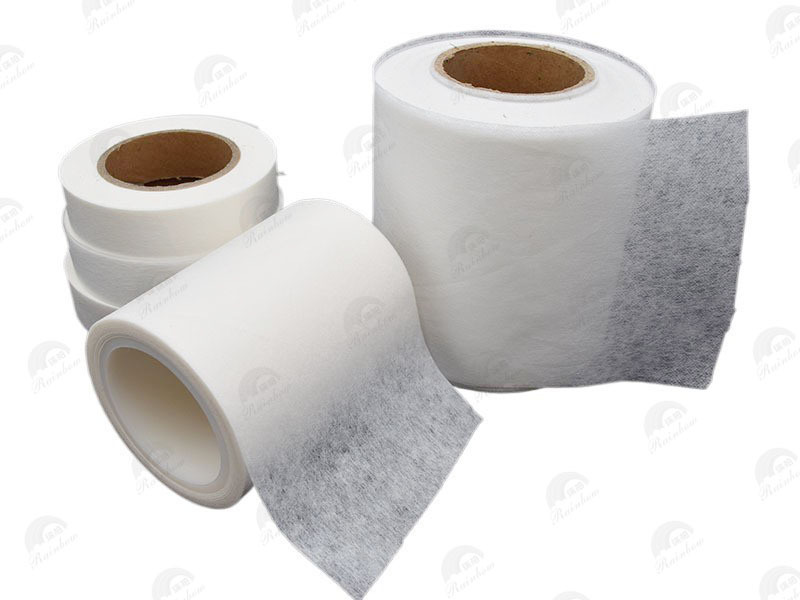
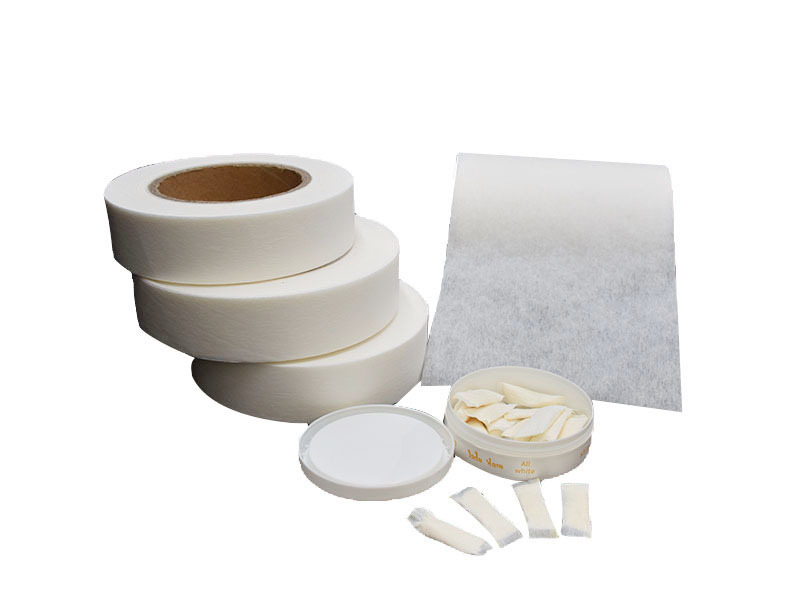
Nonwoven fabrics have become increasingly popular in various industries due to their versatility and unique properties. Among these, GRS Nonwoven Fabric stands out for its sustainability and innovative production processes. GRS, or Global Recycled Standard, is a certification that ensures the materials used in the fabric meet strict environmental and social criteria. This certification is particularly significant in the textile industry, where sustainability is paramount.
One of the primary advantages of GRS Nonwoven Fabric is its use of recycled materials. The fabric is produced using post-consumer or post-industrial waste, which helps reduce the demand for virgin resources. This process not only conserves energy and reduces waste but also lessens the environmental impact associated with textile production. By integrating recycled fibers, GRS Nonwoven Fabric contributes to a circular economy, promoting the recycling and reuse of materials.
The production of GRS Nonwoven Fabric typically involves a combination of methods, including spunbond, meltblown, and needle-punching techniques. These processes create a fabric that is not only strong and durable but also lightweight and breathable. This versatility makes GRS Nonwoven Fabric suitable for a wide range of applications, from medical and hygiene products to filtration systems and geotextiles.
In the medical field, GRS Nonwoven Fabric is often used in face masks, gowns, and drapes due to its barrier properties and comfort. In hygiene products, it serves as an essential component in baby diapers and feminine hygiene products, where absorbency and softness are crucial. Furthermore, the filtration industry benefits from GRS Nonwoven Fabric, as its fine fibers can effectively trap particles and contaminants while allowing airflow.
Another important aspect of GRS Nonwoven Fabric is its environmental benefits. The production process is generally less energy-intensive compared to traditional woven fabrics, resulting in lower carbon emissions. Additionally, the absence of harmful chemicals in the manufacturing of certified GRS products ensures that the final fabric is safe for consumers and the environment.
As consumers become more environmentally conscious, the demand for sustainable materials like GRS Nonwoven Fabric continues to rise. Businesses that adopt GRS-certified materials not only cater to this growing market but also enhance their brand image by showcasing their commitment to sustainability and responsible sourcing.
In conclusion, GRS Nonwoven Fabric represents a significant advancement in the textile industry, with its emphasis on sustainability, versatility, and performance. As the industry shifts towards more eco-friendly practices, GRS Nonwoven Fabric is poised to play a pivotal role in shaping the future of textiles, offering innovative solutions that meet both consumer needs and environmental standards.
One of the primary advantages of GRS Nonwoven Fabric is its use of recycled materials. The fabric is produced using post-consumer or post-industrial waste, which helps reduce the demand for virgin resources. This process not only conserves energy and reduces waste but also lessens the environmental impact associated with textile production. By integrating recycled fibers, GRS Nonwoven Fabric contributes to a circular economy, promoting the recycling and reuse of materials.
The production of GRS Nonwoven Fabric typically involves a combination of methods, including spunbond, meltblown, and needle-punching techniques. These processes create a fabric that is not only strong and durable but also lightweight and breathable. This versatility makes GRS Nonwoven Fabric suitable for a wide range of applications, from medical and hygiene products to filtration systems and geotextiles.
In the medical field, GRS Nonwoven Fabric is often used in face masks, gowns, and drapes due to its barrier properties and comfort. In hygiene products, it serves as an essential component in baby diapers and feminine hygiene products, where absorbency and softness are crucial. Furthermore, the filtration industry benefits from GRS Nonwoven Fabric, as its fine fibers can effectively trap particles and contaminants while allowing airflow.
Another important aspect of GRS Nonwoven Fabric is its environmental benefits. The production process is generally less energy-intensive compared to traditional woven fabrics, resulting in lower carbon emissions. Additionally, the absence of harmful chemicals in the manufacturing of certified GRS products ensures that the final fabric is safe for consumers and the environment.
As consumers become more environmentally conscious, the demand for sustainable materials like GRS Nonwoven Fabric continues to rise. Businesses that adopt GRS-certified materials not only cater to this growing market but also enhance their brand image by showcasing their commitment to sustainability and responsible sourcing.
In conclusion, GRS Nonwoven Fabric represents a significant advancement in the textile industry, with its emphasis on sustainability, versatility, and performance. As the industry shifts towards more eco-friendly practices, GRS Nonwoven Fabric is poised to play a pivotal role in shaping the future of textiles, offering innovative solutions that meet both consumer needs and environmental standards.
GRS Nonwoven Fabric
Latest News


Nantong Rainbow Nonwoven Tech Co.,Ltd.
Telephone:+86-13587673537 +86-15851257231
E-mail:chrislc717@163.com christy@ntrainbow.com
sales1@ntrainbow.com
Address: (No. 88, Sanzong South Road) Group 42, Xichansi Village, Xiting Town, Tongzhou District, Nantong City, Jiangsu Province

Copyright©2024 Nantong Rainbow Technology Co., Ltd. | Powered by www.300.cn
Copyright©2024 Nantong Rainbow Technology Co., Ltd.
Powered by www.300.cn