
From Fabric to Fit: The Essential Role of Polyester Interlining in Clothing
Release time:
2025-12-09
From Fabric to Fit: The Essential Role of Polyester Interlining in Clothing
Table of Contents
1. Understanding Polyester Interlining
2. The Functionality of Interlining in Garments
2.1 Enhancing Structure and Shape
2.2 Providing Comfort and Breathability
2.3 Improving Durability and Longevity
3. Types of Polyester Interlining
3.1 Fusible vs. Non-Fusible Interlining
3.2 Lightweight vs. Heavyweight Options
4. The Process of Using Polyester Interlining
5. Advantages of Polyester Interlining
5.1 Cost-Effectiveness
5.2 Versatility in Application
6. Choosing the Right Polyester Interlining for Your Needs
7. Common Misconceptions about Polyester Interlining
8. Frequently Asked Questions (FAQs)
9. Conclusion
1. Understanding Polyester Interlining
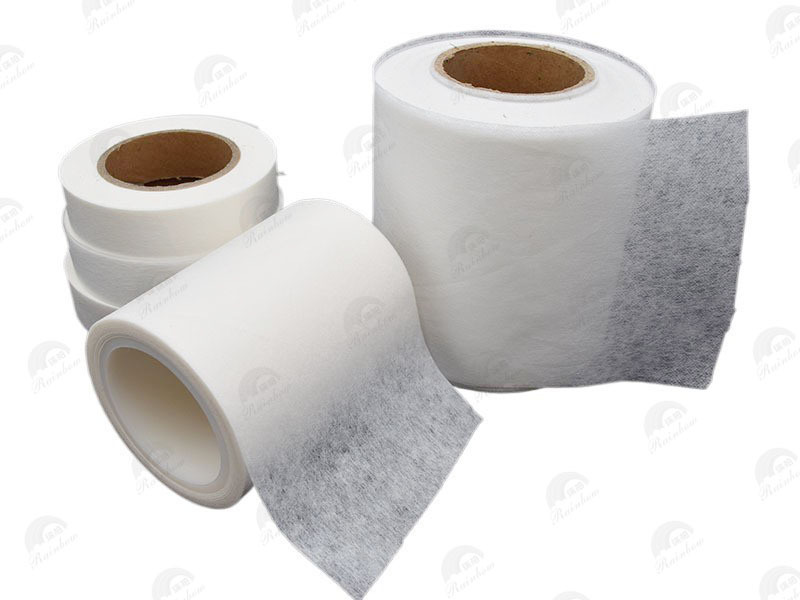
Polyester interlining is a crucial component in garment construction, serving as an additional layer between the outer fabric and the inner lining. It is primarily utilized to provide shape, support, and comfort to clothing. Made from synthetic fibers, polyester interlining is favored for its resilience, lightweight characteristics, and adaptability. This fabric not only enhances the overall aesthetic appeal of garments but also plays a significant role in their functionality.
2. The Functionality of Interlining in Garments
The application of polyester interlining in clothing goes beyond mere aesthetics. Its core functionality lies in several key areas:
2.1 Enhancing Structure and Shape
Polyester interlining helps maintain the structure of garments, particularly tailored pieces such as blazers, coats, and dresses. By providing extra support, it ensures that the garment retains its intended silhouette, preventing sagging or distortion over time. This characteristic is especially important in high-end fashion, where precision in fit can make or break a piece.
2.2 Providing Comfort and Breathability
Another significant benefit of polyester interlining is its ability to enhance comfort. It acts as a barrier, reducing friction between the outer fabric and the wearer's skin. Additionally, the breathability of polyester interlining allows for airflow, promoting comfort during wear. This feature is particularly appreciated in warmer climates or during extended periods of use.
2.3 Improving Durability and Longevity
The durability of polyester interlining contributes to the overall longevity of a garment. It helps resist wrinkling and maintains the garment's original shape despite frequent wear and washing. This resilience makes polyester interlining an excellent investment for both manufacturers and consumers, as it extends the life of clothing.
3. Types of Polyester Interlining
When selecting polyester interlining, it is essential to consider the various types available, each designed for specific purposes.
3.1 Fusible vs. Non-Fusible Interlining
Fusible interlining features an adhesive backing that bonds to the outer fabric when heat is applied, creating a seamless connection. This is ideal for achieving a clean finish in tailored garments. Conversely, non-fusible interlining is sewn in rather than glued, making it suitable for more delicate fabrics or when flexibility is necessary.
3.2 Lightweight vs. Heavyweight Options
Polyester interlining comes in a range of weights, from lightweight options that provide subtle support to heavyweight varieties that offer substantial structure. The choice between these options typically depends on the garment's design and intended use. For instance, lightweight interlining may be used for summer garments, while heavyweight interlining is more appropriate for winter wear.
4. The Process of Using Polyester Interlining
Incorporating polyester interlining into garment production involves several steps. First, designers must select the appropriate type and weight of interlining based on the fabric and desired outcome. The interlining is then cut to size and either fused or sewn into the garment during construction. This process is critical in achieving the desired fit and finish, ensuring that the final product meets quality standards.
5. Advantages of Polyester Interlining
The benefits of using polyester interlining are numerous, making it a popular choice among fashion designers and manufacturers.
5.1 Cost-Effectiveness
Polyester interlining is generally more affordable than natural fiber alternatives, making it an economical choice for both small-scale designers and mass-production manufacturers. Its cost-effectiveness does not compromise quality, as it provides excellent performance and durability.
5.2 Versatility in Application
Polyester interlining is versatile and can be used in various garment types, from casual wear to formal attire. Its adaptability allows fashion designers to incorporate it into multiple styles, enhancing the overall quality and fit of their creations.
6. Choosing the Right Polyester Interlining for Your Needs
Selecting the appropriate polyester interlining requires considering several factors, including the nature of the outer fabric, the desired structure, and the garment's end use. Designers should also factor in the weight of the interlining and whether a fusible or non-fusible option is more suitable for their project. Testing samples on fabric swatches can help determine the best fit for the intended design.
7. Common Misconceptions about Polyester Interlining
Despite its many advantages, misconceptions about polyester interlining persist. One common belief is that it is only suitable for low-quality garments. In reality, polyester interlining is used in high-end fashion to enhance structure and fit, demonstrating its versatility and importance across different market segments.
Another misconception is that polyester interlining causes discomfort. However, advancements in textile technology have led to the development of breathable and comfortable options that do not compromise wearability.
8. Frequently Asked Questions (FAQs)
1. What is polyester interlining, and why is it important?
Polyester interlining is a supportive fabric used in garment construction to enhance structure, fit, and durability. It's essential for achieving the desired silhouette and comfort in clothing.
2. How do I choose the right type of interlining for my fabric?
Consider the nature of your outer fabric, the desired structure, and whether a fusible or non-fusible option suits your project. Sample testing can aid in selection.
3. Can polyester interlining be used in high-end fashion?
Absolutely! Polyester interlining is widely used in high-end fashion for its ability to enhance garment structure and fit.
4. Is polyester interlining comfortable to wear?
Yes, modern polyester interlining is designed to be breathable and comfortable, making it suitable for various clothing types.
5. What are the maintenance requirements for garments with polyester interlining?
Garments with polyester interlining can typically be machine washed, but always refer to the care label for specific washing instructions to maintain quality.
9. Conclusion
Polyester interlining plays a vital role in garment construction, enhancing not only the fit and structure of clothing but also contributing to comfort and durability. As fashion continues to evolve, understanding the importance of polyester interlining will remain crucial for designers and consumers alike. By selecting the right type of interlining, one can ensure that garments not only look great but also stand the test of time, making polyester interlining an indispensable element in the world of clothing.
polyester interlining for garment
Latest News


Nantong Rainbow Nonwoven Tech Co.,Ltd.
Telephone:+86-13587673537 +86-15851257231
E-mail:chrislc717@163.com christy@ntrainbow.com
sales1@ntrainbow.com
Address: (No. 88, Sanzong South Road) Group 42, Xichansi Village, Xiting Town, Tongzhou District, Nantong City, Jiangsu Province

Copyright©2024 Nantong Rainbow Technology Co., Ltd. | Powered by www.300.cn
Copyright©2024 Nantong Rainbow Technology Co., Ltd.
Powered by www.300.cn