
Exploring Chemical Bonded Nonwoven Interlining Fabric: A Key Component in Textile Innovation
Release time:
2025-12-07
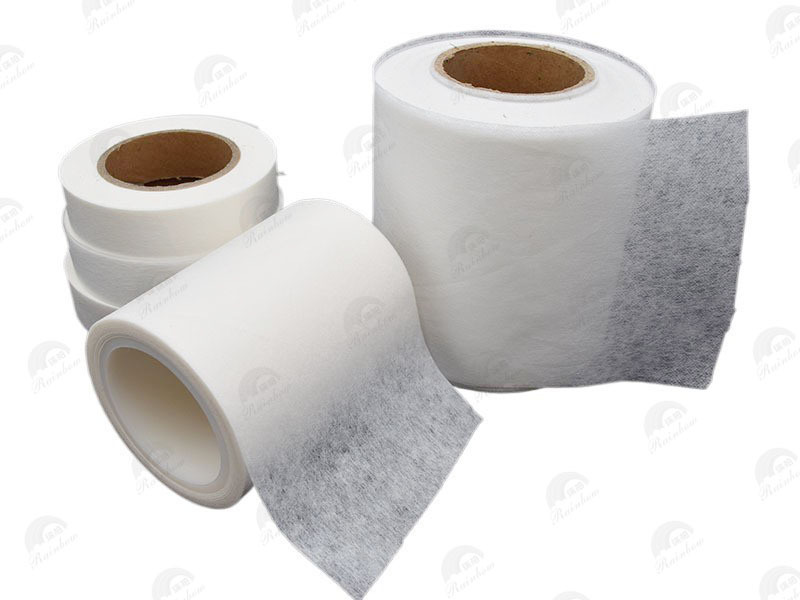
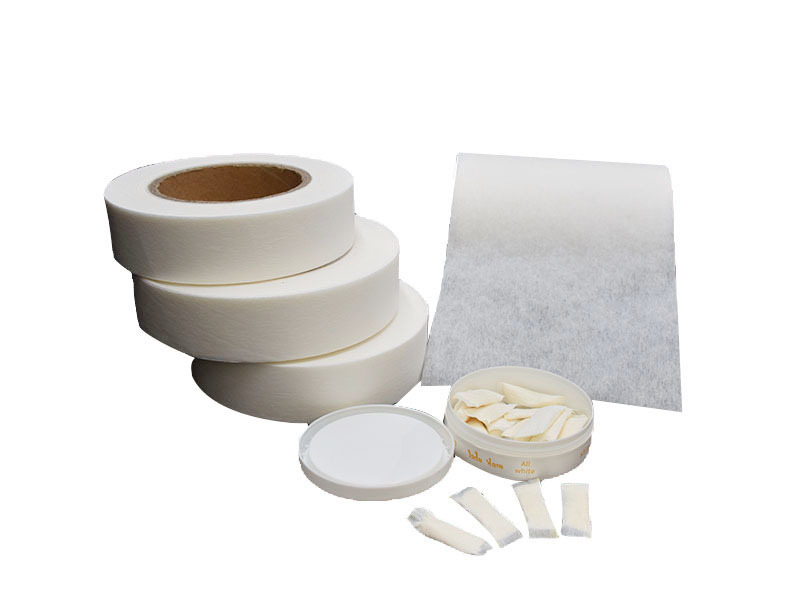
Chemical bonded nonwoven interlining fabric is an innovative material widely utilized in the textile industry, especially in the production of garments. Unlike traditional woven fabrics, nonwoven textiles are manufactured using a variety of processes such as chemical bonding, thermal bonding, or mechanical bonding. Chemical bonding involves the use of adhesives or other bonding agents to bind fibers together without the need for weaving or knitting, resulting in a fabric that offers unique properties and advantages.
One of the primary benefits of chemical bonded nonwoven interlining fabric is its strength and durability. The bonding process creates a robust structure that can withstand considerable stress and strain, making it ideal for reinforcing various types of garments. This fabric is commonly used in areas that require additional support, such as collars, cuffs, and waistbands, ensuring that the final product maintains its shape and structure even after repeated wear and washing.
Moreover, chemical bonded nonwoven interlining fabric is lightweight and flexible, which allows for greater comfort in garments. Professionals in the fashion industry appreciate this aspect, as it enables designers to create tailored garments that fit well without compromising on breathability and ease of movement. Additionally, the fabric can be produced in various thicknesses and weights, catering to diverse design needs and preferences.
Another noteworthy aspect of chemical bonded nonwoven interlining fabric is its versatility in applications. It can be utilized in a wide range of products beyond apparel, including home textiles, upholstery, and even industrial applications. This adaptability is essential for manufacturers looking to streamline production processes while maintaining high-quality standards.
Environmental considerations are also becoming increasingly important in the textile industry. Many chemical bonded nonwoven interlining fabrics are now produced using eco-friendly materials and processes, contributing to a more sustainable approach to textile production. This shift not only appeals to environmentally conscious consumers but also aligns with industry regulations aimed at reducing environmental impact.
In conclusion, chemical bonded nonwoven interlining fabric is a significant advancement in textile technology, offering strength, flexibility, and versatility for a variety of applications. As professionals navigate the evolving landscape of the textile industry, understanding the characteristics and benefits of this innovative material will be crucial in creating high-quality garments that meet consumer demands. Embracing such innovations can lead to enhanced product offerings and greater competitiveness in the market.
One of the primary benefits of chemical bonded nonwoven interlining fabric is its strength and durability. The bonding process creates a robust structure that can withstand considerable stress and strain, making it ideal for reinforcing various types of garments. This fabric is commonly used in areas that require additional support, such as collars, cuffs, and waistbands, ensuring that the final product maintains its shape and structure even after repeated wear and washing.
Moreover, chemical bonded nonwoven interlining fabric is lightweight and flexible, which allows for greater comfort in garments. Professionals in the fashion industry appreciate this aspect, as it enables designers to create tailored garments that fit well without compromising on breathability and ease of movement. Additionally, the fabric can be produced in various thicknesses and weights, catering to diverse design needs and preferences.
Another noteworthy aspect of chemical bonded nonwoven interlining fabric is its versatility in applications. It can be utilized in a wide range of products beyond apparel, including home textiles, upholstery, and even industrial applications. This adaptability is essential for manufacturers looking to streamline production processes while maintaining high-quality standards.
Environmental considerations are also becoming increasingly important in the textile industry. Many chemical bonded nonwoven interlining fabrics are now produced using eco-friendly materials and processes, contributing to a more sustainable approach to textile production. This shift not only appeals to environmentally conscious consumers but also aligns with industry regulations aimed at reducing environmental impact.
In conclusion, chemical bonded nonwoven interlining fabric is a significant advancement in textile technology, offering strength, flexibility, and versatility for a variety of applications. As professionals navigate the evolving landscape of the textile industry, understanding the characteristics and benefits of this innovative material will be crucial in creating high-quality garments that meet consumer demands. Embracing such innovations can lead to enhanced product offerings and greater competitiveness in the market.
chemical bonded nonwoven interlining fabric
Latest News


Nantong Rainbow Nonwoven Tech Co.,Ltd.
Telephone:+86-13587673537 +86-15851257231
E-mail:chrislc717@163.com christy@ntrainbow.com
sales1@ntrainbow.com
Address: (No. 88, Sanzong South Road) Group 42, Xichansi Village, Xiting Town, Tongzhou District, Nantong City, Jiangsu Province

Copyright©2024 Nantong Rainbow Technology Co., Ltd. | Powered by www.300.cn
Copyright©2024 Nantong Rainbow Technology Co., Ltd.
Powered by www.300.cn