
Understanding GRS Nonwoven Fabric: A Key Component in Sustainable Textiles
Release time:
2025-12-11
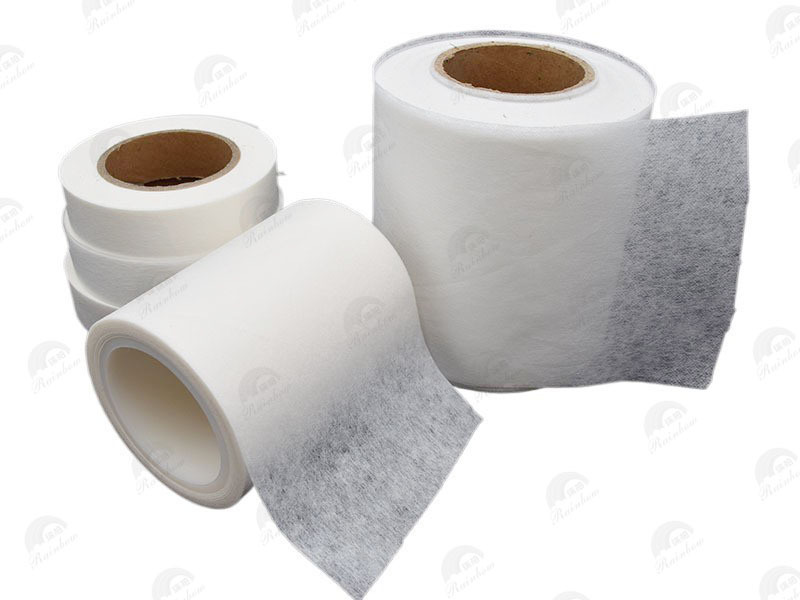
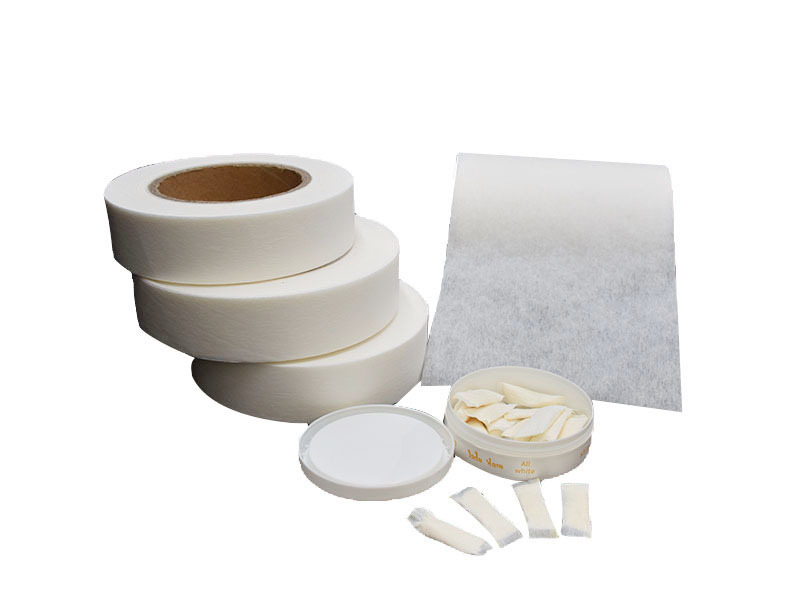
In the realm of textiles, GRS nonwoven fabric has emerged as a crucial component, especially in the context of increasing demand for sustainable and eco-friendly materials. GRS, which stands for Global Recycle Standard, emphasizes the importance of recycled materials and responsible production processes. Nonwoven fabrics, by their very nature, are made from fibers that are bonded together through various methods rather than woven or knitted. This unique construction allows for versatility in applications ranging from hygiene products to industrial uses.
One of the key advantages of GRS nonwoven fabric is its sustainability. The GRS certification indicates that the fabric incorporates a significant percentage of recycled content, which not only helps reduce environmental impact but also promotes a circular economy. By utilizing post-consumer and post-industrial waste, manufacturers can create high-quality nonwoven fabrics that meet rigorous environmental standards. This focus on recycling is essential in today’s textile industry, where consumers are increasingly seeking products that align with their values regarding sustainability.
In addition to its eco-friendly attributes, GRS nonwoven fabric offers a range of functional benefits. These fabrics are lightweight, durable, and often exhibit excellent filtration properties, making them ideal for applications such as medical garments, personal protective equipment (PPE), and air and liquid filtration systems. Moreover, the nonwoven construction allows for breathability and comfort, which are critical factors in consumer products, particularly in the healthcare and hygiene sectors.
Another aspect worth noting is the versatility of GRS nonwoven fabric in various industries. Beyond healthcare, these fabrics are widely used in agriculture for crop protection, in automotive applications for sound absorption and insulation, and in geotextiles for soil stabilization and erosion control. This adaptability underscores the material’s significance across different markets, offering innovative solutions tailored to specific needs.
The manufacturing process of GRS nonwoven fabric also plays a vital role in its performance and sustainability. Techniques such as spunbonding, meltblowing, and needle punching allow for the production of fabrics with varying properties, which can be customized to suit diverse applications. Additionally, advancements in technology are continually enhancing the quality and functionality of these fabrics, paving the way for new possibilities in the textile industry.
In conclusion, GRS nonwoven fabric represents a significant step towards more sustainable textile solutions. With its combination of recycled materials, functional advantages, and diverse applications, it stands as a testament to the industry's commitment to innovation and environmental responsibility. As the demand for sustainable products continues to rise, GRS nonwoven fabric is poised to play an essential role in shaping the future of textiles.
One of the key advantages of GRS nonwoven fabric is its sustainability. The GRS certification indicates that the fabric incorporates a significant percentage of recycled content, which not only helps reduce environmental impact but also promotes a circular economy. By utilizing post-consumer and post-industrial waste, manufacturers can create high-quality nonwoven fabrics that meet rigorous environmental standards. This focus on recycling is essential in today’s textile industry, where consumers are increasingly seeking products that align with their values regarding sustainability.
In addition to its eco-friendly attributes, GRS nonwoven fabric offers a range of functional benefits. These fabrics are lightweight, durable, and often exhibit excellent filtration properties, making them ideal for applications such as medical garments, personal protective equipment (PPE), and air and liquid filtration systems. Moreover, the nonwoven construction allows for breathability and comfort, which are critical factors in consumer products, particularly in the healthcare and hygiene sectors.
Another aspect worth noting is the versatility of GRS nonwoven fabric in various industries. Beyond healthcare, these fabrics are widely used in agriculture for crop protection, in automotive applications for sound absorption and insulation, and in geotextiles for soil stabilization and erosion control. This adaptability underscores the material’s significance across different markets, offering innovative solutions tailored to specific needs.
The manufacturing process of GRS nonwoven fabric also plays a vital role in its performance and sustainability. Techniques such as spunbonding, meltblowing, and needle punching allow for the production of fabrics with varying properties, which can be customized to suit diverse applications. Additionally, advancements in technology are continually enhancing the quality and functionality of these fabrics, paving the way for new possibilities in the textile industry.
In conclusion, GRS nonwoven fabric represents a significant step towards more sustainable textile solutions. With its combination of recycled materials, functional advantages, and diverse applications, it stands as a testament to the industry's commitment to innovation and environmental responsibility. As the demand for sustainable products continues to rise, GRS nonwoven fabric is poised to play an essential role in shaping the future of textiles.
GRS Nonwoven Fabric
Latest News


Nantong Rainbow Nonwoven Tech Co.,Ltd.
Telephone:+86-13587673537 +86-15851257231
E-mail:chrislc717@163.com christy@ntrainbow.com
sales1@ntrainbow.com
Address: (No. 88, Sanzong South Road) Group 42, Xichansi Village, Xiting Town, Tongzhou District, Nantong City, Jiangsu Province

Copyright©2024 Nantong Rainbow Technology Co., Ltd. | Powered by www.300.cn
Copyright©2024 Nantong Rainbow Technology Co., Ltd.
Powered by www.300.cn