
Why Manufacturers are Choosing Gum Stay Nonwoven for Their Projects
Release time:
2025-12-05
Why Manufacturers are Choosing Gum Stay Nonwoven for Their Projects
In the ever-evolving landscape of manufacturing, the choice of materials significantly impacts the efficiency, sustainability, and overall success of projects. Among various materials available, **Gum Stay Nonwoven** has emerged as a preferred option for many manufacturers across different industries. This article delves into the numerous reasons behind this trend, exploring the unique characteristics, applications, and advantages of Gum Stay Nonwoven.
Understanding Gum Stay Nonwoven Materials
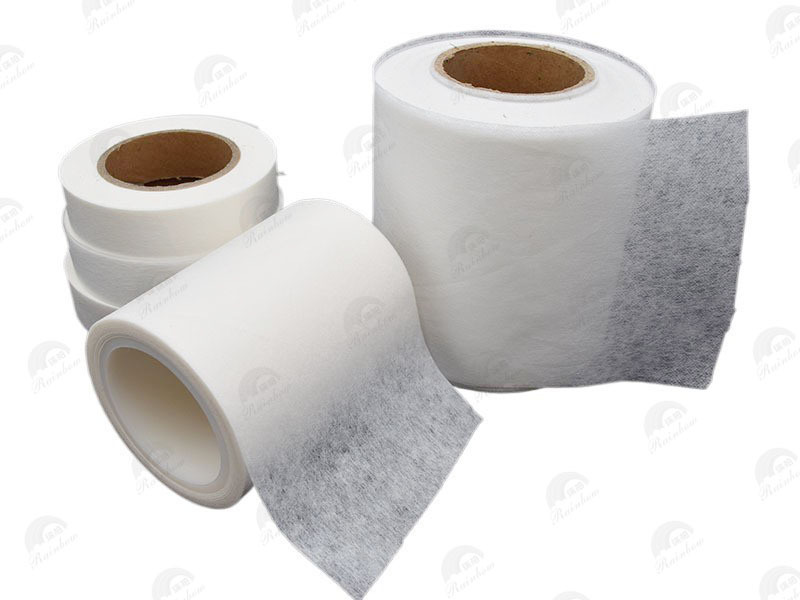
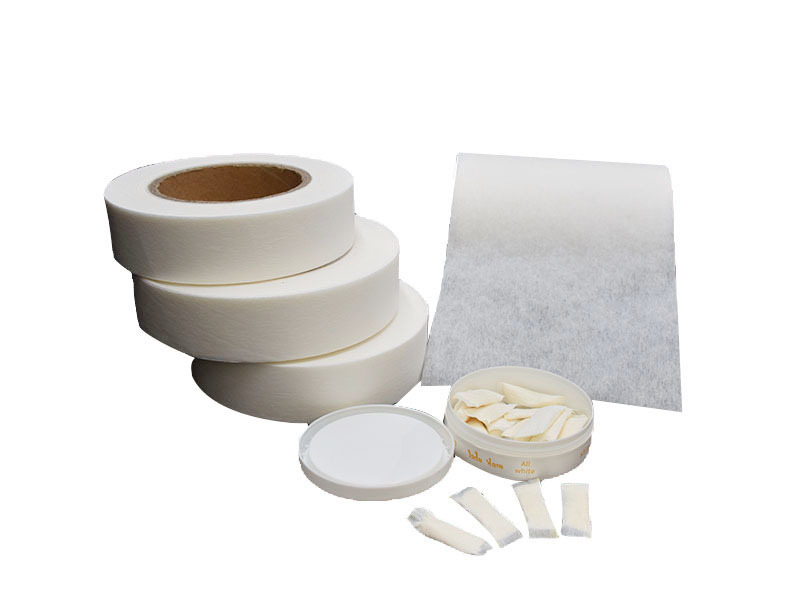
Gum Stay Nonwoven is a type of fabric made from synthetic fibers that are bonded together through mechanical, thermal, or chemical processes. Unlike woven fabrics, nonwoven materials do not require weaving or knitting, resulting in a fabric that is versatile, cost-effective, and suitable for a wide range of applications.
Key Characteristics of Gum Stay Nonwoven
Manufacturers are drawn to Gum Stay Nonwoven for several outstanding characteristics:
- Durability: Gum Stay Nonwoven materials are designed to withstand stress and strain, making them ideal for demanding applications.
- Lightweight: The lightweight nature of this material facilitates easy handling and transportation.
- Breathability: The structure of Gum Stay Nonwoven allows for air and moisture permeability, which is crucial for certain applications.
- Customization: Manufacturers can easily customize the thickness, texture, and color of Gum Stay Nonwoven to meet specific project needs.
The Benefits of Gum Stay Nonwoven in Manufacturing
The rising popularity of Gum Stay Nonwoven among manufacturers can be attributed to several key benefits:
1. Cost Efficiency
Choosing Gum Stay Nonwoven can lead to significant cost savings. The manufacturing process of nonwoven fabrics often requires less energy and fewer resources compared to traditional woven fabrics. This efficiency translates into lower production costs, making it an attractive option for budget-conscious manufacturers.
2. Versatile Applications
Gum Stay Nonwoven is utilized in a wide variety of applications across multiple industries. From automotive to healthcare, this material proves to be adaptable to meet diverse requirements:
- Automotive Industry: Used for insulation, soundproofing, and filtration materials.
- Healthcare Sector: Employed in disposable surgical gowns, masks, and hygiene products.
- Construction: Applied in geotextiles, roofing underlayment, and insulation materials.
3. Environmental Sustainability
With sustainability becoming a critical consideration for manufacturers, Gum Stay Nonwoven offers eco-friendly solutions. Many nonwoven materials are made from recycled content and are recyclable themselves, contributing to reduced waste and environmental impact.
4. Enhanced Performance
The performance characteristics of Gum Stay Nonwoven materials are often superior to traditional fabrics. This includes improved tensile strength, resistance to tearing, and enhanced filtration efficiency, making it a reliable choice for high-performance applications.
Innovative Technologies Behind Gum Stay Nonwoven
The advancements in technology play a vital role in enhancing the properties and applications of Gum Stay Nonwoven. Several innovative processes are employed in its production:
1. Spunbond Technology
Spunbond technology is a key manufacturing process for creating Gum Stay Nonwoven. This method involves spinning molten polymers into continuous filaments that are then laid down in a web structure. The result is a fabric that boasts high strength and durability.
2. Meltblown Technology
Meltblown technology contributes to the unique filtration properties of Gum Stay Nonwoven. In this process, polymer fibers are extruded through a spinneret and blown with hot air, creating a fine web capable of trapping particles at a microscopic level.
3. Chemical Bonding
Chemical bonding techniques enhance the integrity and performance of Gum Stay Nonwoven materials. By using adhesives or other bonding agents, manufacturers can create fabrics with specific attributes tailored to their needs.
Comparative Analysis: Gum Stay Nonwoven vs. Traditional Fabrics
To further understand the appeal of Gum Stay Nonwoven, it is useful to compare it with traditional woven fabrics:
1. Production Process
While traditional fabrics involve complex weaving techniques, Gum Stay Nonwoven simplifies the process, resulting in shorter production times and lower costs.
2. Material Properties
Gum Stay Nonwoven typically exhibits better resistance to moisture and chemicals compared to woven fabrics, making it more suitable for industrial applications.
3. Customization Options
Manufacturers can easily modify Gum Stay Nonwoven to meet specific project requirements, offering a level of flexibility that traditional fabrics often lack.
Industry Case Studies: Successful Applications of Gum Stay Nonwoven
To highlight the effectiveness of Gum Stay Nonwoven, we present case studies from various industries:
1. Automotive Sector
A leading automotive manufacturer incorporated Gum Stay Nonwoven as insulation for their latest vehicle model. The lightweight and durable properties of the material contributed to improved fuel efficiency and reduced noise levels.
2. Healthcare Innovations
In the healthcare industry, a hospital chain adopted Gum Stay Nonwoven for their disposable gowns and masks during the pandemic. The material's breathability and effective filtration helped ensure the safety of medical staff and patients alike.
3. Sustainable Construction Practices
A construction company utilized Gum Stay Nonwoven in their eco-friendly building projects. The use of recycled materials in the fabric not only reduced environmental impact but also met green building certifications.
FAQs About Gum Stay Nonwoven
1. What is Gum Stay Nonwoven made from?
Gum Stay Nonwoven is primarily made from synthetic fibers, such as polypropylene or polyester, which are bonded together using various processes.
2. How does Gum Stay Nonwoven compare to woven fabrics?
Gum Stay Nonwoven is generally more cost-effective, lighter, and offers better moisture resistance compared to traditional woven fabrics.
3. Can Gum Stay Nonwoven be recycled?
Yes, many Gum Stay Nonwoven products are made from recyclable materials, and the fabric itself can often be recycled after use.
4. What industries use Gum Stay Nonwoven?
Gum Stay Nonwoven is used in various industries, including automotive, healthcare, construction, and consumer products.
5. Is Gum Stay Nonwoven suitable for outdoor applications?
Yes, Gum Stay Nonwoven is often used in outdoor applications due to its durability and resistance to moisture and UV rays.
Conclusion
The growing preference for Gum Stay Nonwoven among manufacturers is a testament to its versatile benefits and innovative characteristics. As industries continue to evolve and embrace sustainable practices, Gum Stay Nonwoven stands out as a reliable choice for various applications. Its unique properties, coupled with advanced manufacturing technologies, position it as a leader in the nonwoven fabric market, meeting the diverse needs of modern manufacturing.
Gum Stay Nonwoven
Latest News


Nantong Rainbow Nonwoven Tech Co.,Ltd.
Telephone:+86-13587673537 +86-15851257231
E-mail:chrislc717@163.com christy@ntrainbow.com
sales1@ntrainbow.com
Address: (No. 88, Sanzong South Road) Group 42, Xichansi Village, Xiting Town, Tongzhou District, Nantong City, Jiangsu Province

Copyright©2024 Nantong Rainbow Technology Co., Ltd. | Powered by www.300.cn
Copyright©2024 Nantong Rainbow Technology Co., Ltd.
Powered by www.300.cn