
Understanding Nonwoven Fusible Interlining: A Key Component in Textile Applications
Release time:
2025-12-03
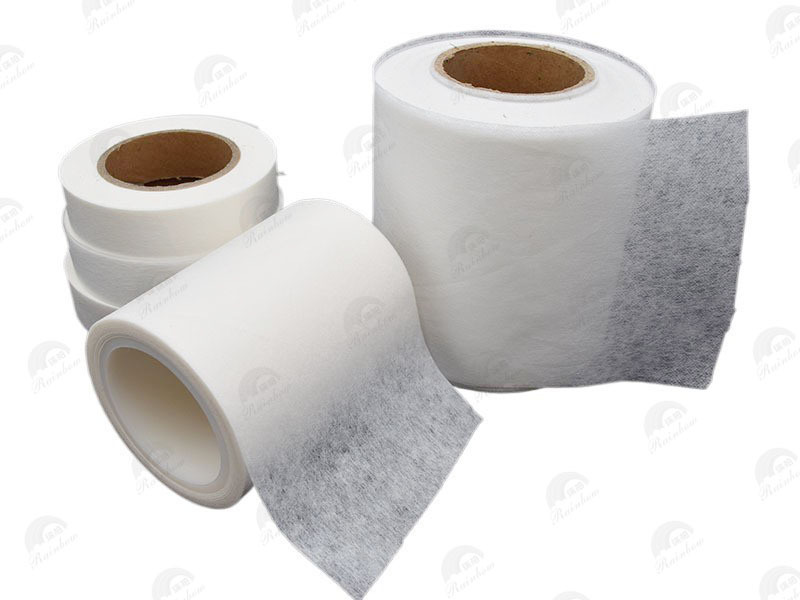
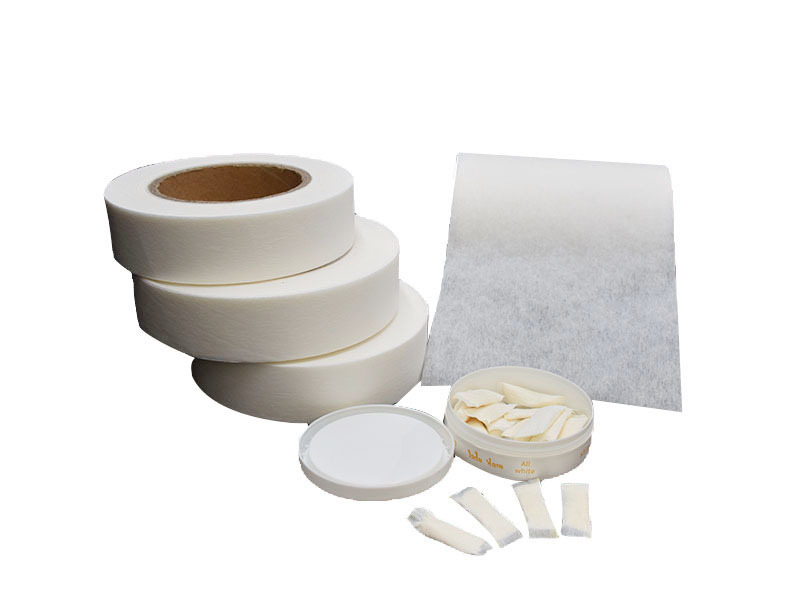
Nonwoven fusible interlining is a pivotal component in the textile industry, especially within the realm of interfacing materials used to support and stabilize garments. Unlike traditional woven interlinings, nonwoven fusible interlinings are produced through a process that entangles fibers without weaving them together, creating a lightweight and flexible material. This unique structure not only offers a variety of advantages but also contributes significantly to the overall quality and performance of the final textile products.
One of the primary benefits of nonwoven fusible interlining is its ability to provide excellent adhesion when heat is applied. The fusible side is coated with a heat-activated adhesive that melts upon application of heat, bonding the interlining securely to the fabric. This feature makes it particularly useful for applications where a durable and reliable bond is essential, such as in collars, cuffs, and waistbands of garments. The result is a clean, professional finish that enhances the garment's overall aesthetic and structural integrity.
Moreover, nonwoven fusible interlining is known for its versatility in applications. It is available in various weights and thicknesses, allowing textile professionals to choose the most suitable option based on the specific requirements of their projects. This adaptability makes it an ideal choice for a range of fabrics, from lightweight silks to heavier wool blends. As such, it significantly contributes to the garment's drape and feel, ensuring that the final product meets the desired quality standards.
In addition to its practical benefits, nonwoven fusible interlining is also appreciated for its ease of use. The lightweight nature of this material allows for straightforward handling during the manufacturing process, reducing the time and effort needed for application. This efficiency is particularly beneficial in high-volume production settings where maintaining quality while minimizing production time is crucial.
Furthermore, sustainability is becoming an increasingly important consideration in the textile industry. Many manufacturers are now focusing on producing nonwoven fusible interlining from recycled materials, which can help reduce the environmental impact of textile production. This shift towards sustainable practices not only meets consumer demand for eco-friendly products but also aligns with global efforts to create a more sustainable fashion industry.
In conclusion, nonwoven fusible interlining plays an essential role in textile applications, providing durability, versatility, and ease of use. Its unique properties contribute to the overall quality and performance of garments, making it a valuable component for textile professionals. As the industry continues to evolve, the importance of nonwoven fusible interlining is likely to grow, particularly as sustainability becomes a focal point in textile production. Understanding its benefits can help professionals make informed choices that enhance both the functionality and aesthetic appeal of their textile products.
One of the primary benefits of nonwoven fusible interlining is its ability to provide excellent adhesion when heat is applied. The fusible side is coated with a heat-activated adhesive that melts upon application of heat, bonding the interlining securely to the fabric. This feature makes it particularly useful for applications where a durable and reliable bond is essential, such as in collars, cuffs, and waistbands of garments. The result is a clean, professional finish that enhances the garment's overall aesthetic and structural integrity.
Moreover, nonwoven fusible interlining is known for its versatility in applications. It is available in various weights and thicknesses, allowing textile professionals to choose the most suitable option based on the specific requirements of their projects. This adaptability makes it an ideal choice for a range of fabrics, from lightweight silks to heavier wool blends. As such, it significantly contributes to the garment's drape and feel, ensuring that the final product meets the desired quality standards.
In addition to its practical benefits, nonwoven fusible interlining is also appreciated for its ease of use. The lightweight nature of this material allows for straightforward handling during the manufacturing process, reducing the time and effort needed for application. This efficiency is particularly beneficial in high-volume production settings where maintaining quality while minimizing production time is crucial.
Furthermore, sustainability is becoming an increasingly important consideration in the textile industry. Many manufacturers are now focusing on producing nonwoven fusible interlining from recycled materials, which can help reduce the environmental impact of textile production. This shift towards sustainable practices not only meets consumer demand for eco-friendly products but also aligns with global efforts to create a more sustainable fashion industry.
In conclusion, nonwoven fusible interlining plays an essential role in textile applications, providing durability, versatility, and ease of use. Its unique properties contribute to the overall quality and performance of garments, making it a valuable component for textile professionals. As the industry continues to evolve, the importance of nonwoven fusible interlining is likely to grow, particularly as sustainability becomes a focal point in textile production. Understanding its benefits can help professionals make informed choices that enhance both the functionality and aesthetic appeal of their textile products.
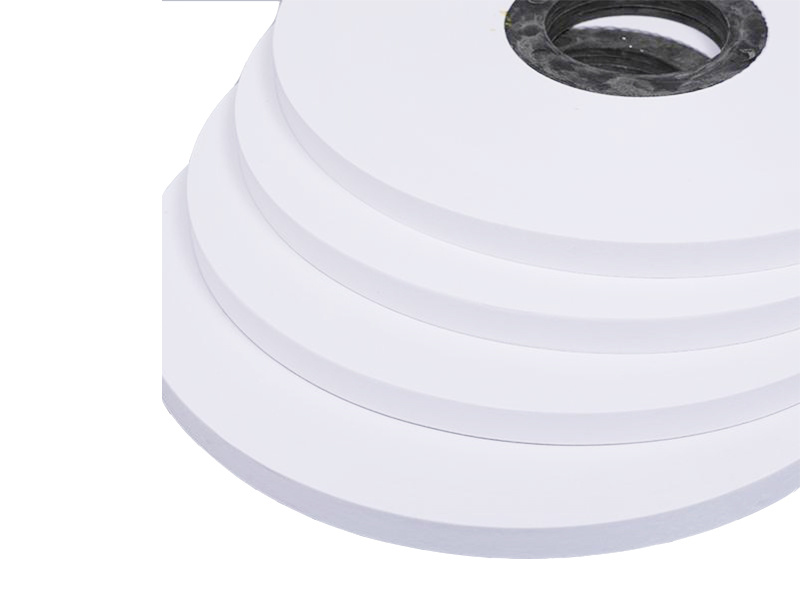
Nonwoven fusible interlining
Next Page
Latest News


Nantong Rainbow Nonwoven Tech Co.,Ltd.
Telephone:+86-13587673537 +86-15851257231
E-mail:chrislc717@163.com christy@ntrainbow.com
sales1@ntrainbow.com
Address: (No. 88, Sanzong South Road) Group 42, Xichansi Village, Xiting Town, Tongzhou District, Nantong City, Jiangsu Province

Copyright©2024 Nantong Rainbow Technology Co., Ltd. | Powered by www.300.cn
Copyright©2024 Nantong Rainbow Technology Co., Ltd.
Powered by www.300.cn