
The Versatility of Chemical Bonded Nonwoven Fusible Interlining in Textiles: Unleashing Innovation in Fabric Applications
Release time:
2025-10-18
The Versatility of Chemical Bonded Nonwoven Fusible Interlining in Textiles
Introduction to Chemical Bonded Nonwoven Fusible Interlining
In the ever-evolving textile industry, **chemical bonded nonwoven fusible interlining** has emerged as a game-changer. This innovative material is designed to enhance fabric structure, provide stability, and improve overall garment quality. As a critical component in various fabric applications, its versatility paves the way for creative solutions in fashion design and manufacturing.
Understanding Chemical Bonded Nonwoven Fusible Interlining
What is Chemical Bonded Nonwoven Fusible Interlining?
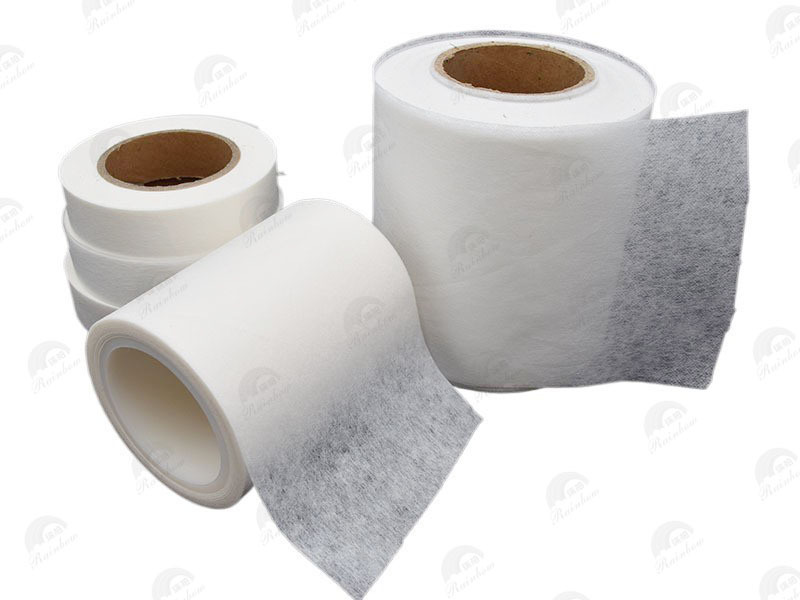
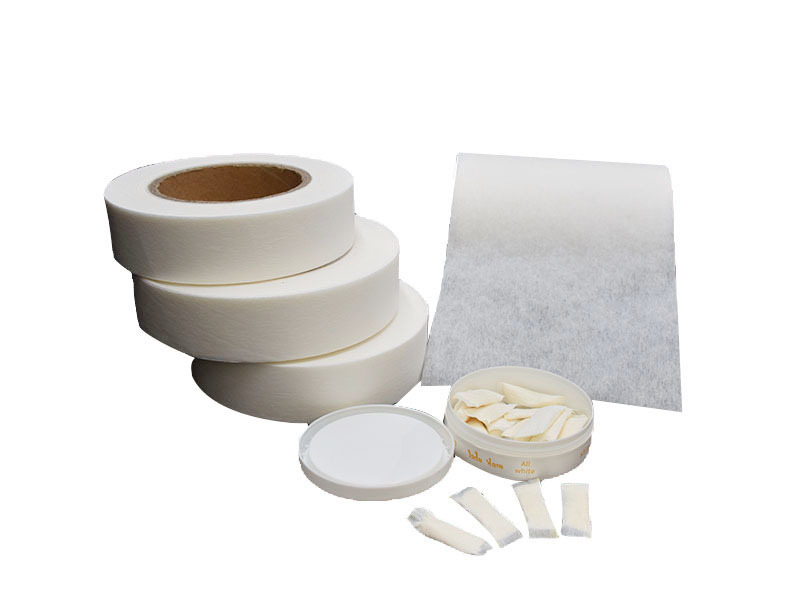
Chemical bonded nonwoven fusible interlining is a fabric used to reinforce and stabilize other textiles. It typically consists of synthetic fibers that are bonded together using chemical adhesives, creating a lightweight yet robust layer. This interlining can be easily fused to the main fabric using heat, making it an essential tool in tailoring and garment construction.
Key Characteristics of Chemical Bonded Nonwoven Fusible Interlining
1. **Lightweight and Durable**: Despite its thin appearance, this material offers excellent strength and durability, ensuring long-lasting performance.
2. **Easy Application**: The fusible feature allows for straightforward application, requiring only heat to bond with the primary fabric.
3. **Versatile Usage**: Ideal for a wide range of textiles, including cotton, polyester, and blends, making it suitable for various applications.
4. **Enhanced Fabric Properties**: Provides added stiffness, shape retention, and improved drape, contributing to the overall aesthetic and functionality of garments.
Applications of Chemical Bonded Nonwoven Fusible Interlining
Fashion and Apparel
In the fashion industry, the ability to maintain a garment's shape and structure is crucial. Chemical bonded nonwoven fusible interlining is widely used in:
- **Collars and Cuffs**: Provides support and shape, ensuring a polished look.
- **Jackets and Coats**: Enhances body structure and prevents sagging.
- **Dresses**: Adds volume and maintains silhouette integrity.
Home Textiles
Beyond fashion, this versatile interlining is also prevalent in home textiles. Its applications include:
- **Curtains**: Enhances draping effect and maintains a smooth finish.
- **Upholstery**: Provides stability to furniture fabrics, preventing stretching or distortion.
- **Table Linens**: Ensures longevity and a refined appearance.
Automotive Textiles
The automotive industry utilizes chemical bonded nonwoven fusible interlining for various applications, including:
- **Seat Covers**: Improves comfort and durability.
- **Interior Panels**: Adds structure and aesthetic appeal to car interiors.
The Technology Behind Chemical Bonded Nonwoven Fusible Interlining
Production Process
The production of chemical bonded nonwoven fusible interlining involves several critical steps:
1. **Fiber Selection**: Synthetic fibers, such as polyester or nylon, are chosen for their desirable properties.
2. **Bonding Process**: The fibers are bonded using a chemical adhesive, forming a nonwoven fabric.
3. **Fusible Coating**: A thermoplastic resin is applied to one side, enabling it to fuse to the main fabric upon heat application.
Advantages of Chemical Bonding
The chemical bonding process offers numerous advantages, including:
- **Consistent Quality**: Ensures uniformity in production, leading to high-quality interlining.
- **Enhanced Performance**: Increases the material's resistance to wear and tear, extending its lifespan.
- **Greater Design Flexibility**: Allows designers to experiment with various fabrics and styles without compromising on strength.
Benefits of Using Chemical Bonded Nonwoven Fusible Interlining
Improved Garment Fit and Comfort
One of the primary advantages of using chemical bonded nonwoven fusible interlining is that it significantly improves the fit and comfort of garments. By providing additional structure and support, this interlining helps garments maintain their shape over time, reducing the risk of sagging or distortion.
Cost-Effectiveness in Production
Using this interlining can lead to **cost savings** in the production process. Its lightweight nature means that it does not add significant weight to the final garment, while its durability ensures that garments maintain their quality without frequent replacements.
Eco-Friendly Options
With rising environmental concerns, many manufacturers are now offering eco-friendly alternatives to traditional chemical bonded nonwoven fusible interlining. These options are often made from recycled materials and are designed to be biodegradable, making them an excellent choice for sustainable fashion brands.
Choosing the Right Chemical Bonded Nonwoven Fusible Interlining
Factors to Consider
When selecting the appropriate chemical bonded nonwoven fusible interlining for a project, consider the following factors:
1. **Fabric Type**: Ensure compatibility with the main fabric to achieve a secure bond.
2. **Weight and Thickness**: Choose a weight and thickness that matches the intended application.
3. **Adhesive Properties**: Different adhesives offer varying levels of fusibility and durability, affecting the final garment's performance.
Testing and Quality Assurance
Before full-scale production, it is essential to conduct thorough testing of the interlining to ensure it meets the required standards. This may involve:
- **Heat Resistance Tests**: Confirming that the interlining can withstand the heat application process without degrading.
- **Durability Tests**: Evaluating the bond strength and overall performance under different conditions.
Common FAQs about Chemical Bonded Nonwoven Fusible Interlining
1. What types of fabrics work best with chemical bonded nonwoven fusible interlining?
Chemical bonded nonwoven fusible interlining is compatible with a variety of fabrics, including cotton, polyester, and blends. It is important to test compatibility before finalizing your fabric choices.
2. Can chemical bonded nonwoven fusible interlining be used for machine washing?
Yes, most chemical bonded nonwoven fusible interlinings are designed to withstand machine washing. However, it is advisable to follow care instructions for both the interlining and the main fabric to ensure longevity.
3. How do I apply chemical bonded nonwoven fusible interlining?
To apply, place the fusible side of the interlining against the fabric, then use a heat press or iron set to the appropriate temperature to bond the materials together.
4. Is chemical bonded nonwoven fusible interlining eco-friendly?
Many manufacturers are now producing eco-friendly options made from recycled materials. Be sure to check product specifications for sustainability certifications.
5. How do I select the right weight of nonwoven fusible interlining?
The right weight depends on the specific application. Lighter weights are suitable for delicate fabrics, while heavier weights provide more structure for sturdy materials.
Conclusion
Chemical bonded nonwoven fusible interlining represents a significant innovation in the textile industry, offering unparalleled versatility across various applications. From fashion and home textiles to automotive interiors, its benefits are manifold. By understanding its properties, applications, and the technology behind it, manufacturers and designers can ensure that their fabric projects achieve remarkable quality and durability. As the textile landscape continues to evolve, the importance of high-quality interlinings like chemical bonded nonwoven fusible interlining will only increase, paving the way for continued innovation and excellence in fabric applications.
chemical bonded Nonwoven fusible interlining
Latest News


Nantong Rainbow Nonwoven Tech Co.,Ltd.
Telephone:+86-13587673537 +86-15851257231
E-mail:chrislc717@163.com christy@ntrainbow.com
sales1@ntrainbow.com
Address: (No. 88, Sanzong South Road) Group 42, Xichansi Village, Xiting Town, Tongzhou District, Nantong City, Jiangsu Province

Copyright©2024 Nantong Rainbow Technology Co., Ltd. | Powered by www.300.cn
Copyright©2024 Nantong Rainbow Technology Co., Ltd.
Powered by www.300.cn