
Understanding Nonwoven Fusible Interlining: Key Insights for Textile Professionals
Release time:
2025-10-16
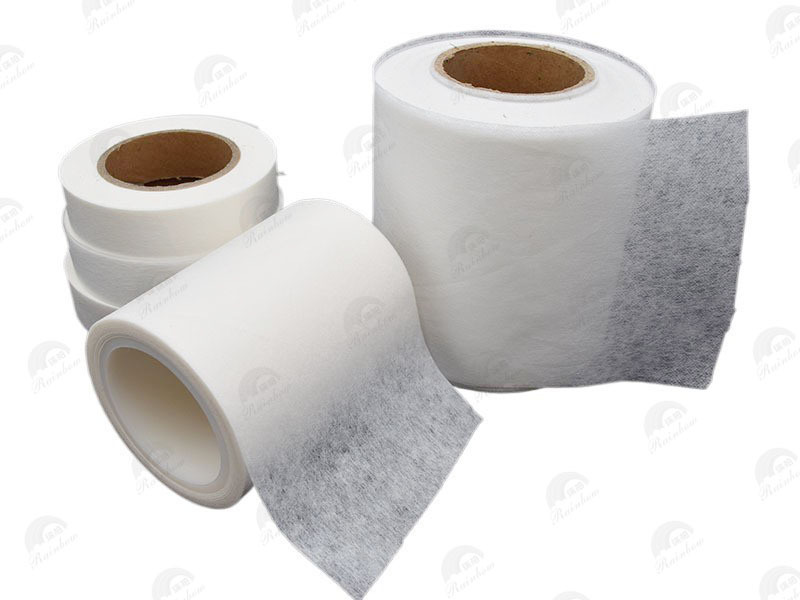
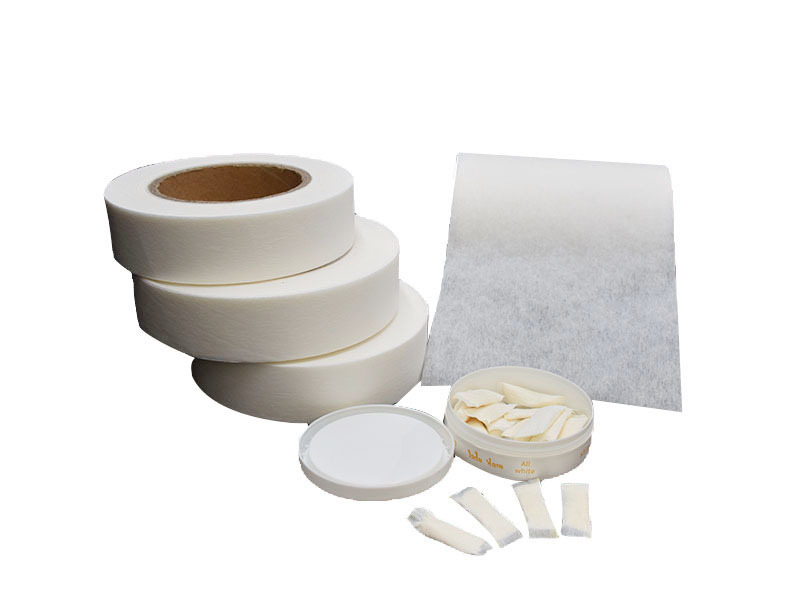
Nonwoven fusible interlining is a crucial component in the textile industry, specifically when it comes to garment construction and enhancement. This versatile fabric, made from fibers that are bonded together through mechanical, thermal, or chemical processes, serves as an effective support layer for various fabrics. Its primary function is to reinforce, stabilize, and shape garments, ensuring they maintain their intended form while providing added durability.
One of the most significant advantages of nonwoven fusible interlining is its ease of application. Unlike traditional woven interlinings, which require sewing, fusible interlinings are designed to adhere directly to the fabric using heat. This feature simplifies the garment production process and allows for a cleaner finish, as there are no visible stitches on the exterior of the fabric. It is particularly beneficial for delicate materials that may be damaged by conventional sewing methods.
In terms of applications, nonwoven fusible interlining is widely used in various textile products, including shirts, blouses, jackets, and tailored garments. It is especially valuable in areas that require additional structure, such as collars, cuffs, and waistbands. By incorporating nonwoven fusible interlining, garment manufacturers can achieve a polished look while enhancing the overall comfort and wearability of the final product.
When selecting nonwoven fusible interlining, several key factors should be considered to ensure optimal performance. First, it is essential to match the weight and thickness of the interlining with the outer fabric. A heavier interlining may add unnecessary bulk, while a lighter option may not provide sufficient support. Additionally, the type of adhesive used on the interlining is critical; it must be compatible with the outer fabric and withstand the intended care instructions, such as washing and ironing.
Furthermore, testing the interlining with the outer fabric is highly recommended to assess compatibility, adhesion, and overall performance. This testing phase helps identify any potential issues early on, allowing for adjustments before full-scale production begins.
In conclusion, nonwoven fusible interlining is an indispensable resource for textile professionals seeking to enhance the quality and durability of their garments. Its unique properties and ease of use make it a preferred choice for a wide range of applications. By understanding the essential aspects of nonwoven fusible interlining, manufacturers can make informed decisions that lead to improved product offerings and satisfied customers.
One of the most significant advantages of nonwoven fusible interlining is its ease of application. Unlike traditional woven interlinings, which require sewing, fusible interlinings are designed to adhere directly to the fabric using heat. This feature simplifies the garment production process and allows for a cleaner finish, as there are no visible stitches on the exterior of the fabric. It is particularly beneficial for delicate materials that may be damaged by conventional sewing methods.
In terms of applications, nonwoven fusible interlining is widely used in various textile products, including shirts, blouses, jackets, and tailored garments. It is especially valuable in areas that require additional structure, such as collars, cuffs, and waistbands. By incorporating nonwoven fusible interlining, garment manufacturers can achieve a polished look while enhancing the overall comfort and wearability of the final product.
When selecting nonwoven fusible interlining, several key factors should be considered to ensure optimal performance. First, it is essential to match the weight and thickness of the interlining with the outer fabric. A heavier interlining may add unnecessary bulk, while a lighter option may not provide sufficient support. Additionally, the type of adhesive used on the interlining is critical; it must be compatible with the outer fabric and withstand the intended care instructions, such as washing and ironing.
Furthermore, testing the interlining with the outer fabric is highly recommended to assess compatibility, adhesion, and overall performance. This testing phase helps identify any potential issues early on, allowing for adjustments before full-scale production begins.
In conclusion, nonwoven fusible interlining is an indispensable resource for textile professionals seeking to enhance the quality and durability of their garments. Its unique properties and ease of use make it a preferred choice for a wide range of applications. By understanding the essential aspects of nonwoven fusible interlining, manufacturers can make informed decisions that lead to improved product offerings and satisfied customers.
Nonwoven fusible interlining
Latest News


Nantong Rainbow Nonwoven Tech Co.,Ltd.
Telephone:+86-13587673537 +86-15851257231
E-mail:chrislc717@163.com christy@ntrainbow.com
sales1@ntrainbow.com
Address: (No. 88, Sanzong South Road) Group 42, Xichansi Village, Xiting Town, Tongzhou District, Nantong City, Jiangsu Province

Copyright©2024 Nantong Rainbow Technology Co., Ltd. | Powered by www.300.cn
Copyright©2024 Nantong Rainbow Technology Co., Ltd.
Powered by www.300.cn