
The Essential Guide to Fusible Nonwoven Interlining: Enhancing Your Textile Projects
Release time:
2025-10-20
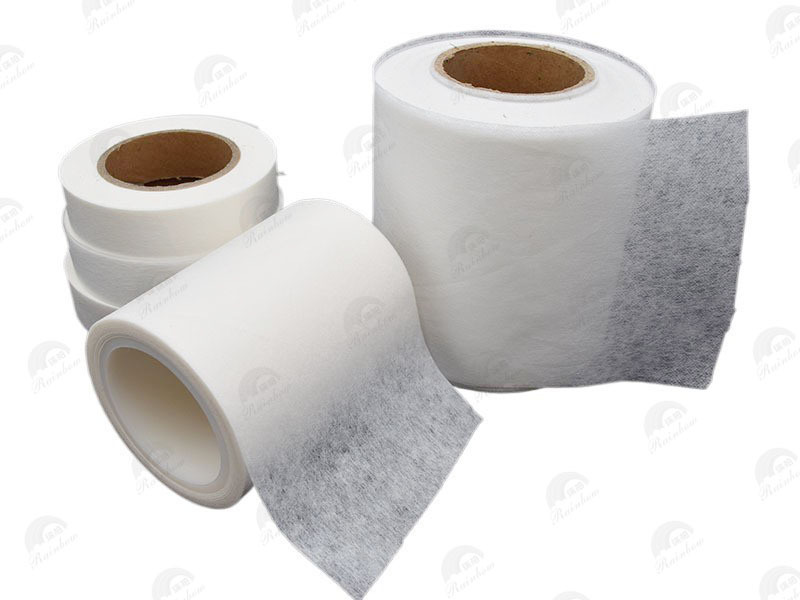
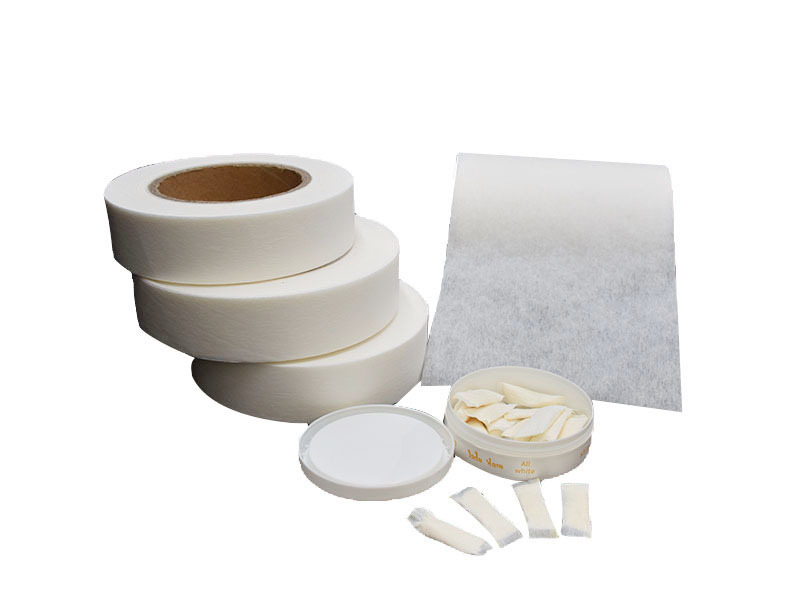
Fusible nonwoven interlining is a crucial component in the textile industry, specifically within the realm of garment manufacturing and design. This type of fabric, which is typically made from polyester or a blend of synthetic fibers, is designed to provide structure and support to various textile applications. What sets fusible nonwoven interlining apart is its unique bonding capabilities, which allow it to adhere directly to the fabric when heat is applied, creating a seamless integration that enhances both appearance and functionality.
One of the primary uses of fusible nonwoven interlining is in the reinforcement of collars, cuffs, and waistbands. By providing additional stiffness and stability, it helps garments maintain their shape over time, reducing the likelihood of sagging or distortion. This is particularly important for items like dress shirts, blazers, and formal wear, where presentation is key.
In addition to structural support, fusible nonwoven interlining also contributes to the overall comfort of the garment. Its lightweight nature ensures that it does not add unnecessary bulk, allowing for a more flattering silhouette. Furthermore, because it is available in various weights and thicknesses, designers have the flexibility to choose the appropriate type for their specific needs, whether they require a softer drape or a more robust structure.
Another significant advantage of fusible nonwoven interlining is its ability to enhance the durability of sewn products. The adhesive used in fusible interlining not only strengthens the bond between layers of fabric but also helps to prevent fraying at the edges. This is particularly beneficial for garments subjected to frequent washing and wearing, as it prolongs the life of the finished product.
Moreover, fusible nonwoven interlining is incredibly versatile, finding applications in a wide range of textile products. From home décor items like curtains and upholstery to accessories such as bags and hats, this interlining can improve the quality and longevity of countless items. Its adaptability makes it a favorite among both professional tailors and DIY enthusiasts.
In conclusion, fusible nonwoven interlining plays an indispensable role in enhancing the quality and durability of textile products. Its ability to provide structure, comfort, and longevity makes it a vital component in garment construction. By understanding the benefits and applications of fusible nonwoven interlining, textile professionals can improve their craft and deliver superior products to their clients. Whether you are designing formal wear or everyday clothing, incorporating this innovative material can lead to impressive results that stand the test of time.
One of the primary uses of fusible nonwoven interlining is in the reinforcement of collars, cuffs, and waistbands. By providing additional stiffness and stability, it helps garments maintain their shape over time, reducing the likelihood of sagging or distortion. This is particularly important for items like dress shirts, blazers, and formal wear, where presentation is key.
In addition to structural support, fusible nonwoven interlining also contributes to the overall comfort of the garment. Its lightweight nature ensures that it does not add unnecessary bulk, allowing for a more flattering silhouette. Furthermore, because it is available in various weights and thicknesses, designers have the flexibility to choose the appropriate type for their specific needs, whether they require a softer drape or a more robust structure.
Another significant advantage of fusible nonwoven interlining is its ability to enhance the durability of sewn products. The adhesive used in fusible interlining not only strengthens the bond between layers of fabric but also helps to prevent fraying at the edges. This is particularly beneficial for garments subjected to frequent washing and wearing, as it prolongs the life of the finished product.
Moreover, fusible nonwoven interlining is incredibly versatile, finding applications in a wide range of textile products. From home décor items like curtains and upholstery to accessories such as bags and hats, this interlining can improve the quality and longevity of countless items. Its adaptability makes it a favorite among both professional tailors and DIY enthusiasts.
In conclusion, fusible nonwoven interlining plays an indispensable role in enhancing the quality and durability of textile products. Its ability to provide structure, comfort, and longevity makes it a vital component in garment construction. By understanding the benefits and applications of fusible nonwoven interlining, textile professionals can improve their craft and deliver superior products to their clients. Whether you are designing formal wear or everyday clothing, incorporating this innovative material can lead to impressive results that stand the test of time.
fusible nonwoven interlining
Latest News


Nantong Rainbow Nonwoven Tech Co.,Ltd.
Telephone:+86-13587673537 +86-15851257231
E-mail:chrislc717@163.com christy@ntrainbow.com
sales1@ntrainbow.com
Address: (No. 88, Sanzong South Road) Group 42, Xichansi Village, Xiting Town, Tongzhou District, Nantong City, Jiangsu Province

Copyright©2024 Nantong Rainbow Technology Co., Ltd. | Powered by www.300.cn
Copyright©2024 Nantong Rainbow Technology Co., Ltd.
Powered by www.300.cn