
A Beginner's Comprehensive Guide to Mastering Woven Fusible Interlining
Release time:
2025-10-14
A Beginner's Comprehensive Guide to Mastering Woven Fusible Interlining
Table of Contents
- 1. Introduction to Woven Fusible Interlining
- 2. What is Woven Fusible Interlining?
- 3. Types of Woven Fusible Interlining
- 4. Applications of Woven Fusible Interlining
- 5. Benefits of Using Woven Fusible Interlining
- 6. How to Work with Woven Fusible Interlining
- 7. Common Issues and Troubleshooting
- 8. Frequently Asked Questions about Woven Fusible Interlining
- 9. Conclusion
1. Introduction to Woven Fusible Interlining
Embarking on a sewing project can be both exciting and challenging, especially when it comes to selecting the right materials. One essential component that can significantly enhance the quality of your finished product is **woven fusible interlining**. This guide aims to provide beginners with a comprehensive understanding of woven fusible interlining, making it easier to incorporate into various sewing projects.
2. What is Woven Fusible Interlining?
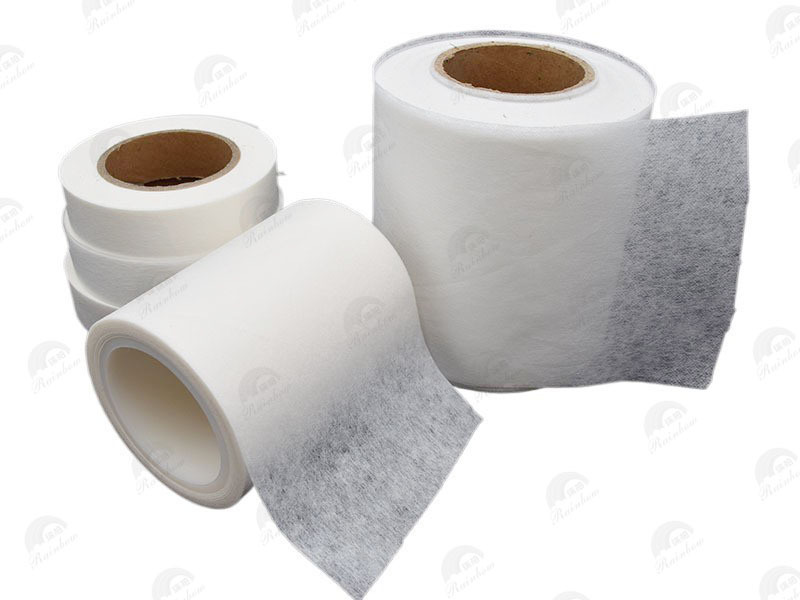
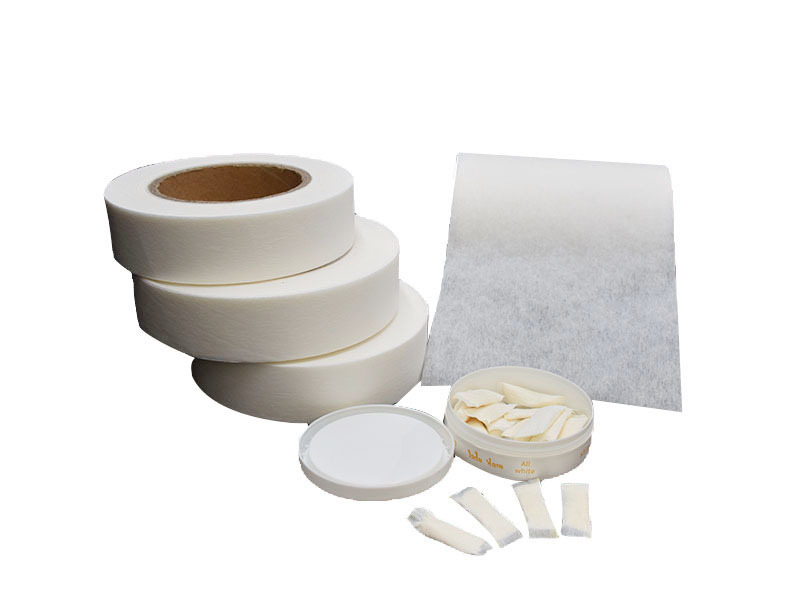
**Woven fusible interlining** is a textile that combines a woven fabric base with a heat-activated adhesive backing. This unique construction allows it to bond to the fabric when heat is applied, providing support and structure. Typically used to reinforce areas that require stability, such as collars, cuffs, and waistbands, woven fusible interlining plays a crucial role in achieving a polished, professional look in garments.
3. Types of Woven Fusible Interlining
Understanding the various types of woven fusible interlining available can help you choose the right one for your project. Here are the primary categories to consider:
3.1 Fusible vs. Non-Fusible
While **fusible interlining** features a glue-like adhesive that bonds to fabric, **non-fusible interlining** requires sewing to attach it. Fusible interlining is more commonly used for its convenience and ease of application, making it ideal for beginners.
3.2 Different Weights and Textures
Woven fusible interlining comes in various weights and textures, each suited to different fabric types and project requirements. Lighter weights are perfect for delicate fabrics, while heavier options provide sturdiness for structured garments. You can find interlining in smooth, textured, or even patterned finishes—ensuring that your project maintains the desired aesthetic.
4. Applications of Woven Fusible Interlining
Woven fusible interlining is versatile, finding applications in numerous sewing projects. Here are some common uses:
- **Collars and Cuffs**: Provides stability and shape to shirt collars and cuffs, ensuring they maintain their form.
- **Waistbands**: Reinforces waistbands in pants and skirts, enhancing comfort and fit.
- **Pockets**: Adds structure to pockets, preventing sagging and distortion.
- **Button Plackets**: Strengthens button plackets for a clean, professional finish.
- **Drapery**: Used in curtains and drapes to provide a smooth hang and prevent wrinkling.
5. Benefits of Using Woven Fusible Interlining
The inclusion of woven fusible interlining in your sewing projects offers multiple advantages:
- **Enhanced Structure**: Woven fusible interlining adds necessary support to fabric, improving the overall shape and drape.
- **Professional Finish**: Using interlining contributes to a polished appearance, akin to ready-to-wear garments.
- **Ease of Use**: The adhesive backing simplifies application, making it accessible for beginners.
- **Durability**: It helps garments withstand wear and tear, prolonging their lifespan.
6. How to Work with Woven Fusible Interlining
Working with woven fusible interlining may seem daunting initially, but with a little practice, it becomes straightforward. Here are the steps to effectively incorporate it into your projects:
6.1 Preparation Steps
1. **Select the Right Interlining**: Choose an appropriate weight and texture based on your fabric type and project requirements.
2. **Pre-Wash Fabrics**: Pre-wash your fabrics to prevent shrinkage and ensure proper adherence of the interlining.
3. **Cut the Interlining**: Cut the interlining pieces slightly smaller than the corresponding fabric pieces to avoid bulk.
6.2 Application Techniques
1. **Position the Interlining**: Align the adhesive side of the interlining with the wrong side of the main fabric.
2. **Press with an Iron**: Set your iron to the appropriate temperature (usually medium heat without steam). Press the iron onto the fabric, applying even pressure for the recommended time (usually around 10-15 seconds).
3. **Cool and Test**: Allow the fabric to cool before checking the bond. Gently tug on the edges to ensure it adheres properly.
7. Common Issues and Troubleshooting
Despite its user-friendly nature, beginners may encounter some challenges when working with woven fusible interlining. Here are common issues and their solutions:
- **Peeling Edges**: If the edges begin to peel after application, it may indicate insufficient heat or pressure. Re-apply the iron, ensuring even contact.
- **Bubbles or Wrinkles**: Bubbles can occur if the adhesive is not applied evenly. Try re-pressing the area gently to smooth it out.
- **Burn Marks**: Always ensure your iron is set to the correct temperature. Using a pressing cloth can help prevent burns.
8. Frequently Asked Questions about Woven Fusible Interlining
1. Can I wash garments with woven fusible interlining?
Yes, woven fusible interlining is designed to withstand washing, but it's essential to follow care instructions specific to your fabric.
2. How do I choose the right weight for my project?
Consider the thickness and drape of your fabric. Lighter fabrics generally pair well with lighter interlining, while structured fabrics benefit from heavier options.
3. Can I reuse woven fusible interlining?
While it’s not typically reusable, some levels of interlining can be removed if carefully handled, but it's generally recommended to use new interlining for the best results.
4. What if my interlining doesn't stick?
Check the iron temperature and ensure you are applying enough pressure for the recommended time.
5. Are there alternatives to woven fusible interlining?
Yes, alternatives include non-fusible interlining, interfacings with different adhesives, and even interfacing from other materials like knit or felt.
9. Conclusion
Working with woven fusible interlining can transform your sewing projects from simple to extraordinary. Its ability to provide structure, support, and a professional finish is invaluable for both beginners and experienced sewists alike. By understanding the types, applications, and best practices outlined in this guide, you can confidently incorporate woven fusible interlining into your sewing repertoire. Embrace the possibilities it offers and elevate your creations to new heights!
woven fusible interlining
Latest News


Nantong Rainbow Nonwoven Tech Co.,Ltd.
Telephone:+86-13587673537 +86-15851257231
E-mail:chrislc717@163.com christy@ntrainbow.com
sales1@ntrainbow.com
Address: (No. 88, Sanzong South Road) Group 42, Xichansi Village, Xiting Town, Tongzhou District, Nantong City, Jiangsu Province

Copyright©2024 Nantong Rainbow Technology Co., Ltd. | Powered by www.300.cn
Copyright©2024 Nantong Rainbow Technology Co., Ltd.
Powered by www.300.cn