
Understanding the Manufacturing Process of Chemical Bonded Nonwoven Interlining Fabric
Release time:
2025-10-03
Understanding the Manufacturing Process of Chemical Bonded Nonwoven Interlining Fabric
Table of Contents
- 1. Introduction to Chemical Bonded Nonwoven Interlining Fabric
- 2. Raw Materials Used in Manufacturing
- 3. The Manufacturing Process Explained
- 3.1 Fiber Selection and Pre-Treatment
- 3.2 Web Formation Techniques
- 3.3 Bonding Process: Chemical Techniques
- 3.4 Finishing Treatments and Quality Control
- 4. Applications of Nonwoven Interlining Fabric
- 5. Benefits of Chemical Bonded Nonwoven Interlining Fabric
- 6. Future Trends in Nonwoven Fabric Manufacturing
- 7. Conclusion
- 8. Frequently Asked Questions (FAQs)
1. Introduction to Chemical Bonded Nonwoven Interlining Fabric
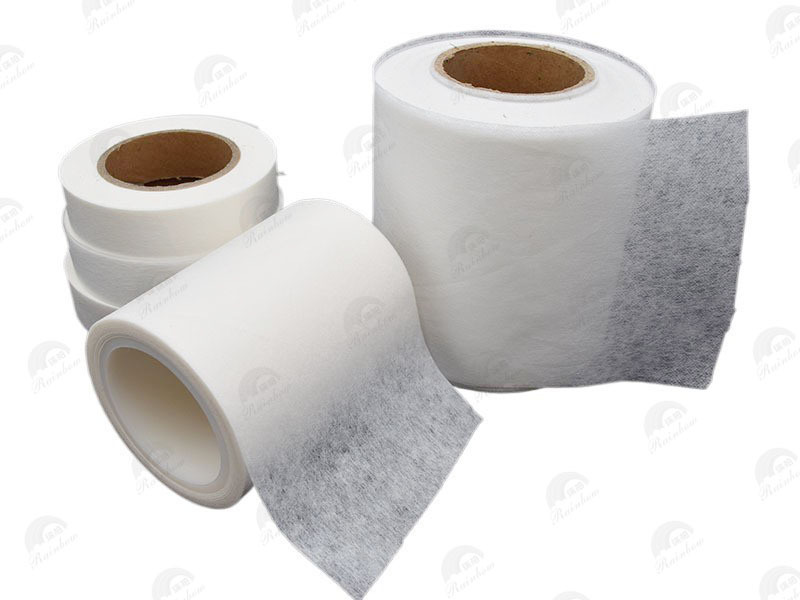
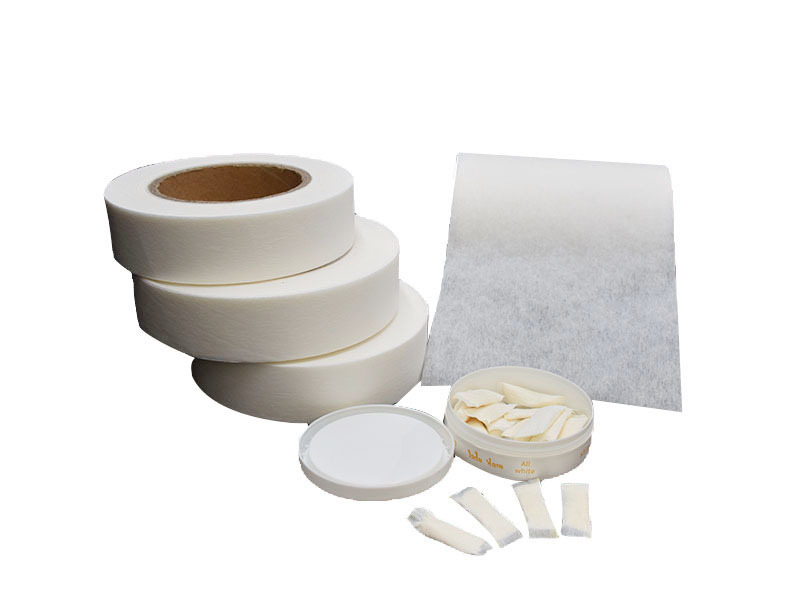
Chemical bonded nonwoven interlining fabric plays a pivotal role in the textile industry, serving as a crucial component in garment construction. This innovative fabric is known for its versatility, durability, and ability to enhance the structural integrity of various clothing items. In this article, we will explore the detailed manufacturing process of this fabric, shedding light on each step from raw materials to final products.
2. Raw Materials Used in Manufacturing
The foundation of any high-quality fabric lies in its raw materials. For chemical bonded nonwoven interlining fabric, the primary materials include:
2.1 Synthetic Fibers
Synthetic fibers such as polyester and polypropylene are commonly used due to their strength, resistance to wrinkling, and ease of bonding. These fibers provide the necessary durability and support for interlining applications.
2.2 Adhesives and Chemicals
The bonding process involves various adhesives and chemicals that enhance the fabric's performance. These can include water-based adhesives, hot melt adhesives, and other chemical bonding agents that ensure the fibers adhere securely without compromising flexibility.
2.3 Additives
Additives play a crucial role in defining the fabric's characteristics. They can include fire retardants, anti-static agents, and UV stabilizers, which are essential for specific applications and enhance the overall functionality of the interlining fabric.
3. The Manufacturing Process Explained
The manufacturing of chemical bonded nonwoven interlining fabric involves several key steps, each contributing to the final product's quality and performance.
3.1 Fiber Selection and Pre-Treatment
The first step in the manufacturing process is fiber selection. Manufacturers choose the appropriate fibers based on the desired characteristics of the final fabric. Once selected, the fibers undergo pre-treatment processes, which may include cleaning, dyeing, and cutting to specific lengths to ensure optimal bonding.
3.2 Web Formation Techniques
After the fibers are prepared, they are transformed into a web structure. There are various web formation techniques, including:
- Carding: This method aligns the fibers and forms a thin web by separating and mixing them.
- Spunbonding: In this technique, continuous filaments are extruded and laid down to form a web.
- Needle Punching: This involves using barbed needles to entangle fibers, increasing the fabric's density and strength.
3.3 Bonding Process: Chemical Techniques
The bonding process is critical in defining the fabric's characteristics. Chemical bonding techniques include:
- Hot Melt Adhesive Bonding: This method uses thermoplastic adhesives that melt and bond the fibers when cooled.
- Wet Bonding: In this process, a liquid adhesive is applied, allowing for thorough penetration and bonding of the fibers.
- Spray Adhesive Bonding: A spray adhesive is applied to the fiber web, providing uniform coverage and effective bonding.
3.4 Finishing Treatments and Quality Control
Once the bonding is complete, finishing treatments are applied to enhance the fabric's appearance and functionality. These treatments may include:
- Heat Setting: This process stabilizes the fabric's dimensions and improves its surface finish.
- Calendering: Calendering improves the fabric's smoothness and can also alter its thickness.
- Quality Control: Rigorous quality checks are performed to ensure the fabric meets industry standards and customer specifications.
4. Applications of Nonwoven Interlining Fabric
Chemical bonded nonwoven interlining fabric finds extensive applications across various sectors. Some notable uses include:
4.1 Apparel Industry
In the apparel industry, this fabric is used for reinforcing collars, cuffs, and hems, providing structure and support to garments. It is particularly popular in high-end clothing where quality is paramount.
4.2 Home Textiles
Nonwoven interlining is also prevalent in home textiles, including curtains and upholstery, where it enhances durability and maintains shape.
4.3 Automotive Sector
In the automotive sector, this fabric is used for interior linings, headliners, and sound insulation, contributing to both aesthetics and functionality.
5. Benefits of Chemical Bonded Nonwoven Interlining Fabric
Choosing chemical bonded nonwoven interlining fabric offers several advantages:
5.1 Durability
This fabric exhibits high durability, making it suitable for various applications that require long-lasting performance.
5.2 Versatility
The versatility of nonwoven interlining allows it to be used in diverse applications, from clothing to home furnishings and automotive interiors.
5.3 Cost-Effectiveness
Manufacturing processes have become more efficient over the years, making chemical bonded nonwoven interlining a cost-effective solution without compromising quality.
5.4 Customization
Manufacturers can customize the fabric to meet specific requirements, enabling businesses to produce tailored solutions for their clients.
6. Future Trends in Nonwoven Fabric Manufacturing
The future of nonwoven fabric manufacturing is poised for exciting developments. Key trends to watch for include:
6.1 Sustainable Manufacturing
With increasing environmental concerns, manufacturers are focusing on sustainable materials and processes to reduce their carbon footprint. The adoption of biodegradable fibers and eco-friendly adhesives is expected to rise.
6.2 Technological Innovations
Advancements in technology, including automation and smart textiles, will revolutionize the manufacturing landscape, enhancing efficiency and product quality.
6.3 Increased Demand in Medical Applications
The ongoing global health challenges have seen a surge in demand for nonwoven fabrics in medical applications, such as masks and protective garments, highlighting the fabric's importance in public health.
7. Conclusion
The manufacturing process of chemical bonded nonwoven interlining fabric is a complex yet fascinating journey that reflects the innovation and adaptability of the textile industry. From the selection of raw materials to advanced manufacturing techniques, each step plays a crucial role in producing a fabric that meets the diverse needs of various applications. As trends in sustainability and technology continue to evolve, the future of nonwoven fabric holds promising potential for both manufacturers and consumers alike.
8. Frequently Asked Questions (FAQs)
8.1 What is chemical bonded nonwoven interlining fabric?
Chemical bonded nonwoven interlining fabric is a type of textile used to reinforce and support various garments and products, created through a bonding process that involves adhesives and synthetic fibers.
8.2 What are the main benefits of using nonwoven interlining?
The primary benefits include durability, versatility, cost-effectiveness, and customization options suited for specific applications.
8.3 How is nonwoven interlining different from woven fabric?
Unlike woven fabric, nonwoven interlining is made from fibers that are bonded together through various methods instead of being woven, which gives it unique properties and applications.
8.4 Can nonwoven interlining be recycled?
Many types of nonwoven interlining can be recycled, especially those made from synthetic fibers, though the recycling process may vary based on the specific materials used.
8.5 What industries benefit from nonwoven interlining fabric?
Key industries include apparel, home textiles, automotive, and medical sectors, each utilizing the fabric for its unique properties and advantages.
chemical bonded nonwoven interlining fabric
Latest News


Nantong Rainbow Nonwoven Tech Co.,Ltd.
Telephone:+86-13587673537 +86-15851257231
E-mail:chrislc717@163.com christy@ntrainbow.com
sales1@ntrainbow.com
Address: (No. 88, Sanzong South Road) Group 42, Xichansi Village, Xiting Town, Tongzhou District, Nantong City, Jiangsu Province

Copyright©2024 Nantong Rainbow Technology Co., Ltd. | Powered by www.300.cn
Copyright©2024 Nantong Rainbow Technology Co., Ltd.
Powered by www.300.cn