
Understanding Foam Bonded Nonwoven Lining: Applications and Benefits
Release time:
2025-10-02
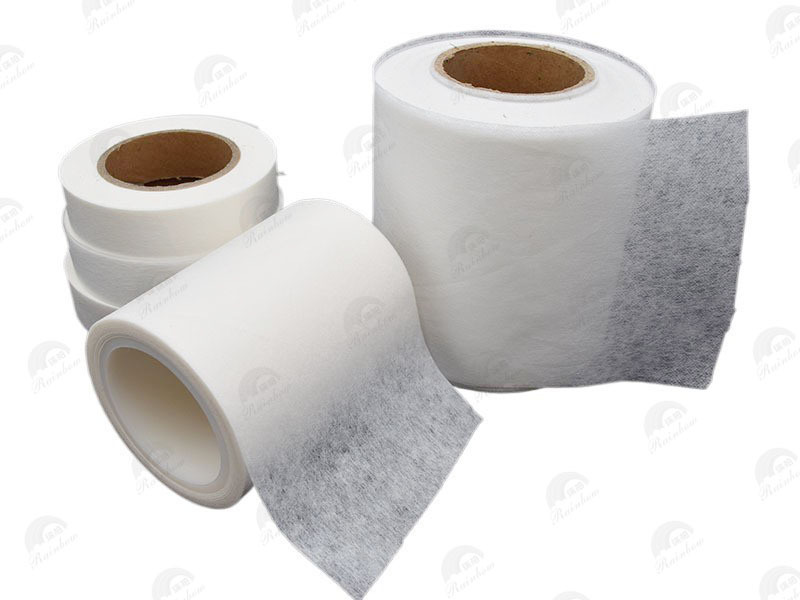
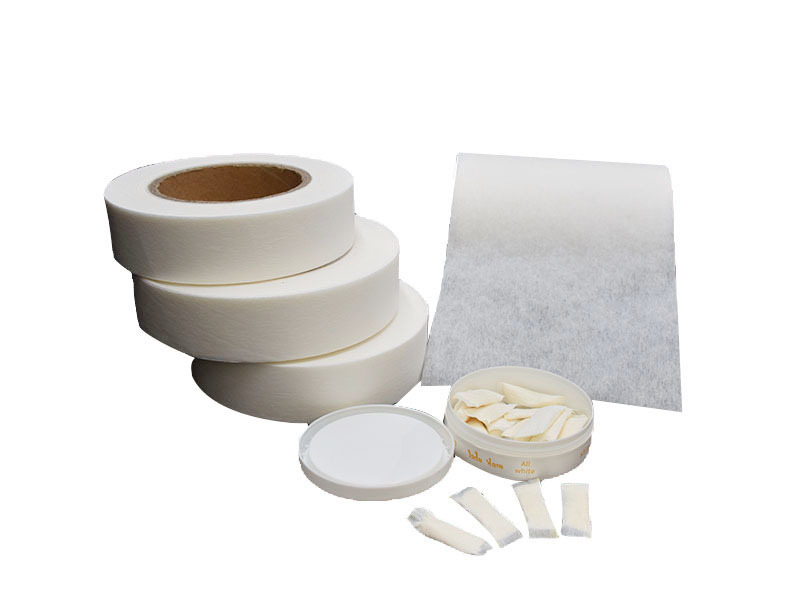
Foam Bonded Nonwoven Lining is a fascinating material that plays a crucial role in various textile applications. As a composite of foam and nonwoven fabrics, it provides a unique combination of functionality and performance. This type of lining is particularly known for its excellent cushioning properties, which makes it suitable for applications in apparel, upholstery, and other textile-related products.
One of the primary advantages of Foam Bonded Nonwoven Lining is its lightweight nature. This characteristic is essential in applications where weight reduction is a priority, such as in sportswear and outdoor gear. The foam component offers insulation and comfort, making it an ideal choice for garments that require a soft touch against the skin while also providing warmth.
Moreover, Foam Bonded Nonwoven Lining exhibits remarkable durability. It is engineered to withstand wear and tear, making it an excellent option for products that demand long-lasting performance. This durability extends to its resistance against pilling and fraying, ensuring that the final product maintains a polished appearance over time. The bonding process used in the manufacturing of this lining contributes to its strength and structural integrity, making it a preferred choice for high-quality textile applications.
Additionally, the versatility of Foam Bonded Nonwoven Lining allows it to be used in a variety of formats and thicknesses. This adaptability enables manufacturers to customize the lining according to specific product requirements. Whether it’s being used in protective gear, home textiles, or fashion apparel, the ability to tailor the material ensures that it meets the intended functional and aesthetic needs.
In terms of environmental considerations, many Foam Bonded Nonwoven Linings are produced using eco-friendly methods. The nonwoven manufacturing process can minimize waste and energy consumption, aligning with the growing demand for sustainable textile solutions. Furthermore, depending on the source materials, these linings can also be designed to be recyclable, contributing to a more sustainable lifecycle for textile products.
In conclusion, Foam Bonded Nonwoven Lining represents a significant innovation in the textile industry, offering numerous benefits that enhance product functionality and consumer satisfaction. Its lightweight, durable, and versatile nature makes it suitable for a wide range of applications. As the industry continues to evolve, the demand for such advanced materials is likely to grow, making it essential for professionals to understand its characteristics and advantages. This knowledge not only aids in the selection of appropriate materials but also in the overall design and production processes within the textile sector.
One of the primary advantages of Foam Bonded Nonwoven Lining is its lightweight nature. This characteristic is essential in applications where weight reduction is a priority, such as in sportswear and outdoor gear. The foam component offers insulation and comfort, making it an ideal choice for garments that require a soft touch against the skin while also providing warmth.
Moreover, Foam Bonded Nonwoven Lining exhibits remarkable durability. It is engineered to withstand wear and tear, making it an excellent option for products that demand long-lasting performance. This durability extends to its resistance against pilling and fraying, ensuring that the final product maintains a polished appearance over time. The bonding process used in the manufacturing of this lining contributes to its strength and structural integrity, making it a preferred choice for high-quality textile applications.
Additionally, the versatility of Foam Bonded Nonwoven Lining allows it to be used in a variety of formats and thicknesses. This adaptability enables manufacturers to customize the lining according to specific product requirements. Whether it’s being used in protective gear, home textiles, or fashion apparel, the ability to tailor the material ensures that it meets the intended functional and aesthetic needs.
In terms of environmental considerations, many Foam Bonded Nonwoven Linings are produced using eco-friendly methods. The nonwoven manufacturing process can minimize waste and energy consumption, aligning with the growing demand for sustainable textile solutions. Furthermore, depending on the source materials, these linings can also be designed to be recyclable, contributing to a more sustainable lifecycle for textile products.
In conclusion, Foam Bonded Nonwoven Lining represents a significant innovation in the textile industry, offering numerous benefits that enhance product functionality and consumer satisfaction. Its lightweight, durable, and versatile nature makes it suitable for a wide range of applications. As the industry continues to evolve, the demand for such advanced materials is likely to grow, making it essential for professionals to understand its characteristics and advantages. This knowledge not only aids in the selection of appropriate materials but also in the overall design and production processes within the textile sector.
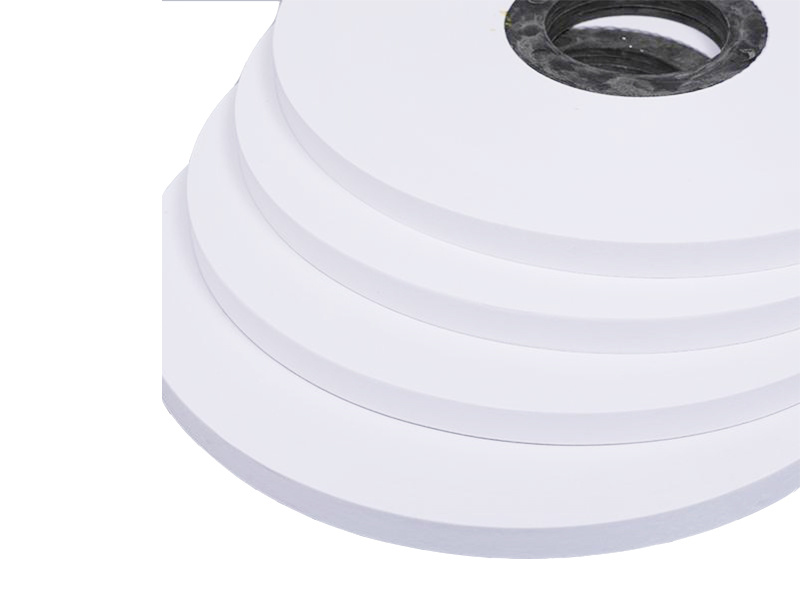
Foam Bonded Nonwoven lining
Latest News


Nantong Rainbow Nonwoven Tech Co.,Ltd.
Telephone:+86-13587673537 +86-15851257231
E-mail:chrislc717@163.com christy@ntrainbow.com
sales1@ntrainbow.com
Address: (No. 88, Sanzong South Road) Group 42, Xichansi Village, Xiting Town, Tongzhou District, Nantong City, Jiangsu Province

Copyright©2024 Nantong Rainbow Technology Co., Ltd. | Powered by www.300.cn
Copyright©2024 Nantong Rainbow Technology Co., Ltd.
Powered by www.300.cn