
Understanding GRS Nonwoven Fabric: Sustainable Solutions for the Textile Industry
Release time:
2025-10-04
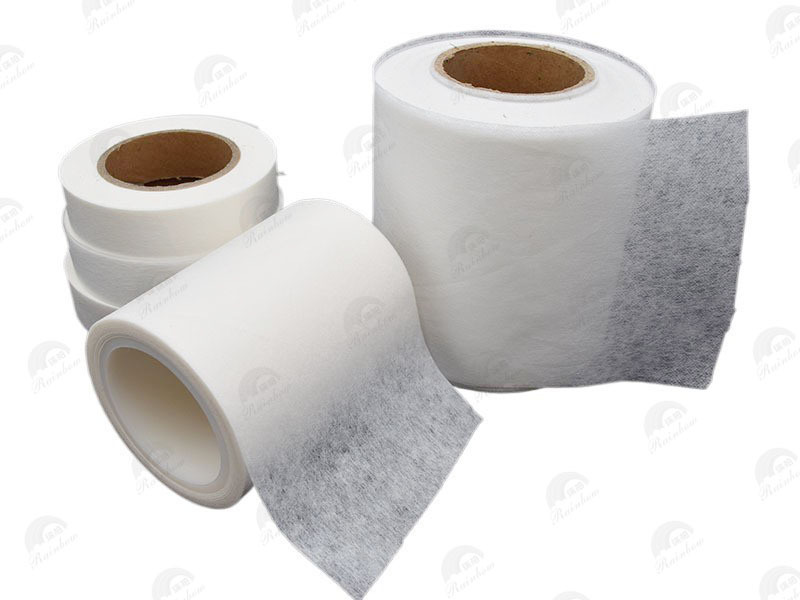
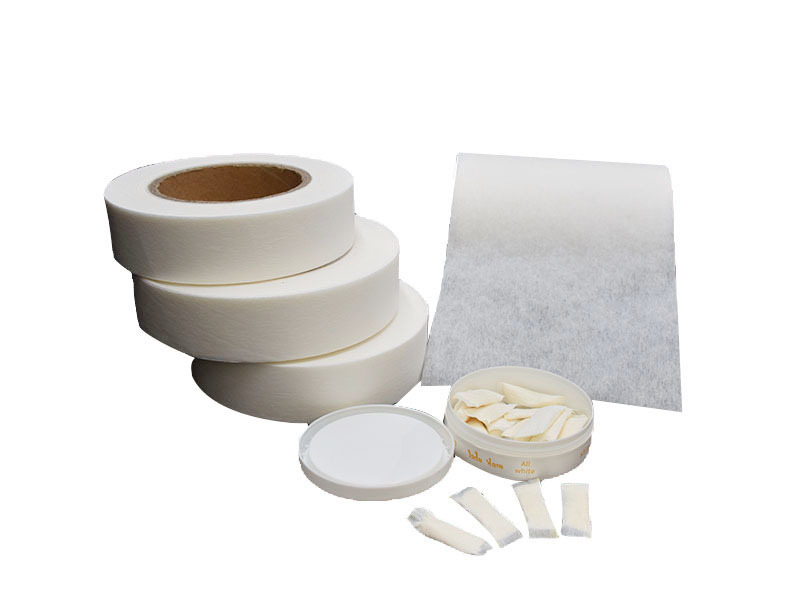
The textile industry has been undergoing a significant transformation towards sustainability, and one of the key materials at the forefront of this change is GRS Nonwoven Fabric. GRS stands for Global Recycled Standard, a certification that focuses on the responsible processing of recycled materials. Nonwoven fabrics, which are created by bonding fibers together through mechanical, thermal, or chemical processes, have a wide range of applications, from clothing to hygiene products, and the integration of GRS-certified materials is paving the way for a greener future.
One of the primary advantages of GRS Nonwoven Fabric is its eco-friendliness. By utilizing recycled materials in its production, GRS-certified fabrics significantly reduce the dependency on virgin resources. This not only conserves natural resources but also minimizes waste in landfills. The production process of GRS Nonwoven Fabric often requires less energy and water compared to traditional textile manufacturing methods, further contributing to its sustainability profile.
Applications of GRS Nonwoven Fabric are diverse. In the fashion industry, it can be used for creating sustainable apparel and accessories, allowing brands to cater to environmentally-conscious consumers. In the medical sector, GRS Nonwoven Fabric is commonly employed in disposable products like face masks and surgical gowns, which are essential in maintaining hygiene and safety. Furthermore, the automotive and construction industries leverage nonwoven fabrics for insulation, soundproofing, and filtration applications. The versatility of GRS Nonwoven Fabric makes it an ideal choice across various sectors, promoting sustainability without sacrificing functionality.
It’s important to note that while the benefits of GRS Nonwoven Fabric are significant, the certification process entails strict compliance with social and environmental criteria. This ensures that the entire supply chain, from raw material sourcing to production and packaging, adheres to responsible practices. As such, consumers can have confidence that products made with GRS-certified materials are produced in a way that respects both the environment and worker rights.
In conclusion, GRS Nonwoven Fabric represents a progressive step towards a more sustainable textile industry. By choosing materials that are certified under the Global Recycled Standard, manufacturers can not only meet the growing demand for eco-friendly products but also contribute to a more sustainable future. As the industry continues to innovate, GRS Nonwoven Fabric stands out as a prime example of how textiles can adapt and evolve in response to environmental challenges, ensuring that both consumers and the planet benefit from these advancements.
One of the primary advantages of GRS Nonwoven Fabric is its eco-friendliness. By utilizing recycled materials in its production, GRS-certified fabrics significantly reduce the dependency on virgin resources. This not only conserves natural resources but also minimizes waste in landfills. The production process of GRS Nonwoven Fabric often requires less energy and water compared to traditional textile manufacturing methods, further contributing to its sustainability profile.
Applications of GRS Nonwoven Fabric are diverse. In the fashion industry, it can be used for creating sustainable apparel and accessories, allowing brands to cater to environmentally-conscious consumers. In the medical sector, GRS Nonwoven Fabric is commonly employed in disposable products like face masks and surgical gowns, which are essential in maintaining hygiene and safety. Furthermore, the automotive and construction industries leverage nonwoven fabrics for insulation, soundproofing, and filtration applications. The versatility of GRS Nonwoven Fabric makes it an ideal choice across various sectors, promoting sustainability without sacrificing functionality.
It’s important to note that while the benefits of GRS Nonwoven Fabric are significant, the certification process entails strict compliance with social and environmental criteria. This ensures that the entire supply chain, from raw material sourcing to production and packaging, adheres to responsible practices. As such, consumers can have confidence that products made with GRS-certified materials are produced in a way that respects both the environment and worker rights.
In conclusion, GRS Nonwoven Fabric represents a progressive step towards a more sustainable textile industry. By choosing materials that are certified under the Global Recycled Standard, manufacturers can not only meet the growing demand for eco-friendly products but also contribute to a more sustainable future. As the industry continues to innovate, GRS Nonwoven Fabric stands out as a prime example of how textiles can adapt and evolve in response to environmental challenges, ensuring that both consumers and the planet benefit from these advancements.
GRS Nonwoven Fabric
Latest News


Nantong Rainbow Nonwoven Tech Co.,Ltd.
Telephone:+86-13587673537 +86-15851257231
E-mail:chrislc717@163.com christy@ntrainbow.com
sales1@ntrainbow.com
Address: (No. 88, Sanzong South Road) Group 42, Xichansi Village, Xiting Town, Tongzhou District, Nantong City, Jiangsu Province

Copyright©2024 Nantong Rainbow Technology Co., Ltd. | Powered by www.300.cn
Copyright©2024 Nantong Rainbow Technology Co., Ltd.
Powered by www.300.cn