
Top Benefits of Using Polyester Interlining in Garment Manufacturing
Release time:
2025-10-01
Top Benefits of Using Polyester Interlining in Garment Manufacturing
Understanding Polyester Interlining
What is Polyester Interlining?
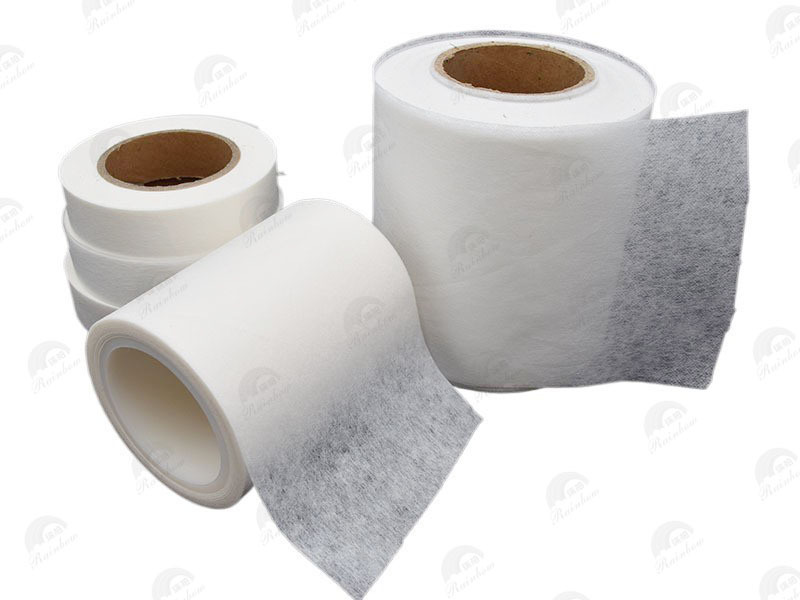
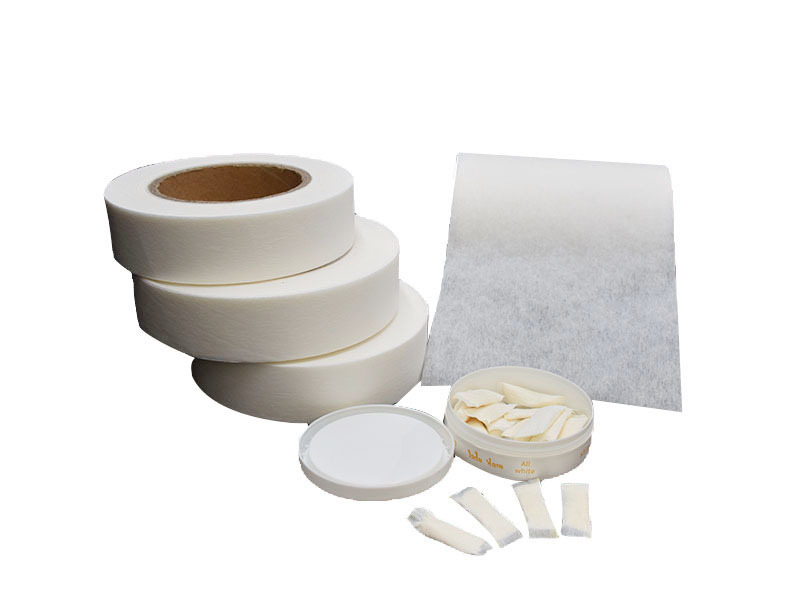
Polyester interlining is a crucial component in the garment manufacturing process, serving as an additional layer of fabric that enhances the quality and structure of clothing. This non-woven or woven material is typically placed between the outer fabric and the lining, providing support and stability to garments. Its properties make it a popular choice among designers and manufacturers alike.
Types of Polyester Interlining
Polyester interlining comes in various forms, each designed for specific applications in garment production. The primary types include:
1. **Fusible Interlining**: This type has an adhesive coating that allows it to bond with the outer fabric when heat is applied. It is ideal for tailored garments, providing a smooth finish without adding bulk.
2. **Sewn-In Interlining**: This is manually stitched into the garment and is often used in more delicate fabrics or when a softer drape is desired.
3. **Woven vs. Non-Woven**: Woven interlinings offer greater strength and stability, while non-woven interlinings are lighter and more flexible, catering to different design needs.
Key Advantages of Polyester Interlining
1. Enhanced Durability and Longevity
One of the standout benefits of polyester interlining is its remarkable durability. Polyester fibers are known for their resistance to wear and tear, making garments constructed with this interlining last longer. This resilience translates into reduced production costs over time, as manufacturers spend less on replacements and repairs.
2. Improved Fabric Structure and Stability
Polyester interlining provides essential support to outer fabrics, enhancing their overall structure. This support is particularly beneficial for tailored garments, such as suits and jackets, where a crisp silhouette is desired. The interlining helps maintain the shape of the garment, preventing sagging and distortion.
3. Versatility in Design
The versatility of polyester interlining allows designers to experiment with various styles and silhouettes. Whether creating structured blazers or flowing dresses, polyester interlining can be adapted to meet the specific needs of different designs. Its wide range of weights and finishes makes it suitable for both light and heavy fabrics.
4. Cost-Effectiveness
Using polyester interlining can lead to significant cost savings for manufacturers. Given its durability, the need for frequent replacements is minimized. Additionally, the ease of application and versatility of polyester interlining can streamline the production process, allowing for quicker turnaround times and reduced labor costs.
5. Ease of Care and Maintenance
Polyester interlining is inherently easy to care for, as it is resistant to shrinkage, wrinkling, and fading. This property ensures that garments maintain their appearance and shape even after multiple washes. For consumers, this translates to less hassle and more convenience, making garments with polyester interlining appealing in the marketplace.
6. Environmental Considerations
With the growing emphasis on sustainability in the textile industry, polyester interlining offers a more eco-friendly option compared to traditional materials. Many manufacturers are now producing polyester from recycled plastics, minimizing waste and reducing the carbon footprint associated with new fabric production. By opting for polyester interlining, brands can promote their commitment to environmental responsibility.
7. Enhanced Comfort
While some interlinings can add stiffness to garments, polyester interlining is designed to provide comfort without sacrificing structure. Its lightweight nature ensures that garments remain comfortable for extended wear, making it ideal for everyday clothing, as well as more formal attire.
Applications of Polyester Interlining in Garment Manufacturing
1. Tailored Clothing
In tailored clothing, polyester interlining plays a pivotal role in achieving the desired fit and finish. It is commonly used in suits, coats, and structured dresses, providing the necessary support for creating sharp lines and elegant shapes.
2. Casual Wear
Polyester interlining is also valuable in casual wear, where it adds structure without overwhelming the garment's drape. It can be used in various items, from shirts to lightweight jackets, enhancing the overall aesthetic without compromising comfort.
3. Activewear and Sports Apparel
The resilience and moisture-wicking properties of polyester make it an excellent choice for activewear. Garments such as sports jackets and leggings benefit from the added support and durability provided by polyester interlining, allowing for both performance and comfort.
Choosing the Right Polyester Interlining
1. Consider the Fabric Type
When selecting polyester interlining, it is crucial to consider the type of fabric it will be paired with. Lighter fabrics may require a lightweight interlining, while heavier materials may need something more substantial to provide support.
2. Determine the Garment’s Purpose
Understanding the intended use of the garment can help in choosing the right interlining. For example, formal attire may benefit from fusible interlining for a sleek appearance, while casual or activewear may require a more relaxed option.
3. Evaluate the Desired Drape and Feel
Different interlinings will affect the drape and feel of the garment. Designers should experiment with various options to achieve the desired look and comfort level.
Best Practices for Working with Polyester Interlining
1. Pre-Shrinking the Interlining
To prevent any surprises after sewing, it is wise to pre-shrink polyester interlining before use. This ensures that the interlining does not contract after the garment is made, maintaining its fit and structure.
2. Proper Application Techniques
Using the correct application techniques for fusible interlining is essential. The right temperature setting on your iron is critical to ensure a secure bond without damaging the fabric.
3. Testing on Sample Fabrics
Before committing to a large production run, testing the interlining on sample fabrics can help in determining the best combination for the final product. This practice can reveal any potential issues with bonding or draping.
Frequently Asked Questions (FAQs)
1. What is the difference between fusible and sewn-in polyester interlining?
Fusible polyester interlining has an adhesive that bonds to the outer fabric when heat is applied, creating a seamless finish. In contrast, sewn-in interlining is stitched into the garment, allowing for more flexibility in design.
2. Can polyester interlining be used in high-end fashion garments?
Yes, polyester interlining is widely used in high-end fashion due to its ability to provide structure and support while maintaining a lightweight feel. Designers frequently use it to achieve tailored looks without compromising comfort.
3. Is polyester interlining environmentally friendly?
Many manufacturers produce polyester interlining from recycled materials, making it a more eco-friendly option compared to traditional interlinings. This practice helps reduce waste and lower the environmental impact.
4. How can I care for garments with polyester interlining?
Garments with polyester interlining can typically be machine washed and dried. However, it is always best to follow the care label instructions to ensure longevity.
5. What weight of polyester interlining should I use for my project?
The appropriate weight of polyester interlining depends on the type of fabric and the garment's intended use. Generally, lighter fabrics require lighter interlining, while heavier fabrics may need a more substantial weight for adequate support.
Conclusion
In conclusion, the benefits of using polyester interlining in garment manufacturing are manifold, ranging from enhanced durability and structure to cost-effectiveness and environmental sustainability. As the textile industry continues to evolve, polyester interlining stands out as a versatile and reliable choice for manufacturers and designers alike. By understanding its properties and applications, brands can elevate their garments, ensure quality, and meet the demands of a growing market. Embracing polyester interlining not only enhances the end product but also supports a shift toward more sustainable practices within the fashion industry.
polyester interlining for garment
Latest News


Nantong Rainbow Nonwoven Tech Co.,Ltd.
Telephone:+86-13587673537 +86-15851257231
E-mail:chrislc717@163.com christy@ntrainbow.com
sales1@ntrainbow.com
Address: (No. 88, Sanzong South Road) Group 42, Xichansi Village, Xiting Town, Tongzhou District, Nantong City, Jiangsu Province

Copyright©2024 Nantong Rainbow Technology Co., Ltd. | Powered by www.300.cn
Copyright©2024 Nantong Rainbow Technology Co., Ltd.
Powered by www.300.cn