
Innovative Applications of Chemical Bonded Nonwoven Interlining Fabric
Release time:
2025-09-25
Innovative Applications of Chemical Bonded Nonwoven Interlining Fabric
Introduction to Chemical Bonded Nonwoven Interlining Fabric
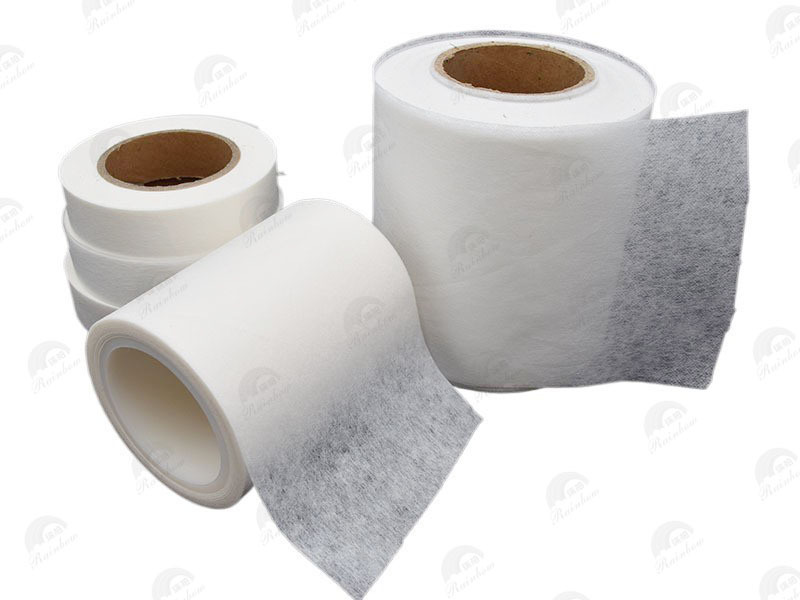
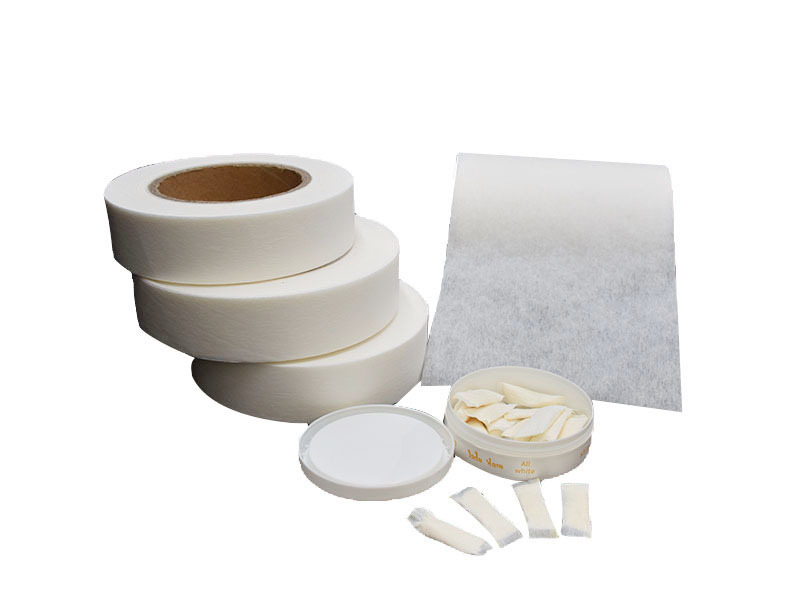
Chemical bonded nonwoven interlining fabric has emerged as a groundbreaking material in the textile industry, particularly in apparel and upholstery. Its unique structure and properties allow for superior performance, durability, and versatility. Unlike traditional woven fabrics, nonwoven materials are made by bonding fibers through chemical, thermal, or mechanical processes, resulting in a lightweight and flexible product that can meet diverse application needs.
The Advantages of Chemical Bonded Nonwoven Interlining Fabric
Understanding the benefits of this innovative fabric is crucial for manufacturers and designers. Here are some key advantages:
1. Enhanced Durability and Strength
Chemical bonded nonwoven interlining fabric provides excellent tensile strength, making it ideal for applications requiring durability. Its resistance to tearing and fraying ensures that products maintain their integrity, even under rigorous use.
2. Lightweight yet Strong
This fabric offers a lightweight solution without compromising strength. As a result, garments and upholstery can achieve a tailored look without unnecessary bulk, an essential feature in contemporary fashion design.
3. Breathability and Comfort
One of the standout features of chemical bonded nonwoven interlining is its breathability. This property prevents heat and moisture retention, contributing to overall comfort in clothing and home textiles.
4. Versatile Applications
The versatility of chemical bonded nonwoven interlining fabric makes it suitable for a wide range of applications, including clothing, home furnishings, and industrial products. This adaptability opens new avenues for designers seeking innovative solutions.
The Role of Chemical Bonded Nonwoven Interlining in Apparel Design
In the fashion industry, the use of chemical bonded nonwoven interlining fabric is revolutionizing garment construction and design.
1. Structural Support in Fashion
Designers increasingly use this fabric to provide structural support in tailored garments. It helps maintain the shape of collars, cuffs, and waistbands, ensuring that clothing retains its form over time.
2. Enhancing Aesthetic Appeal
This interlining can also improve the aesthetic quality of garments by allowing for clean lines and crisp finishes. It is particularly beneficial in high-end fashion, where precision is essential.
3. Eco-Friendly Options
With growing awareness of environmental issues, manufacturers are exploring eco-friendly chemical bonding methods. These innovations are meeting the demand for sustainable textiles while retaining the performance characteristics that make this fabric popular.
Applications in Home Textiles and Upholstery
The home textiles sector is another area where chemical bonded nonwoven interlining fabric shines, offering unique benefits for upholstery and furnishings.
1. Upholstery Fabric Reinforcement
In upholstery, this nonwoven material is often used to reinforce fabrics, providing added strength and durability. It helps maintain the appearance of cushions and seat covers, even with frequent use.
2. Drapery and Curtain Applications
Chemical bonded nonwoven interlining is also ideal for drapery and curtains, providing a smooth finish and enhancing the overall drape of the fabric. This application is particularly popular in luxury home décor.
Innovative Uses in Industrial Applications
Beyond fashion and home textiles, chemical bonded nonwoven interlining fabric is making waves in various industrial applications.
1. Automotive Industry
In the automotive sector, this material is utilized for interior linings, providing lightweight yet robust solutions that enhance the vehicle's aesthetic and functional qualities.
2. Medical Textiles
The medical sector has also embraced chemical bonded nonwoven fabrics for surgical gowns, drapes, and other applications where hygiene and durability are paramount. Its lightweight nature ensures comfort for medical personnel and patients alike.
Future Trends in Chemical Bonded Nonwoven Interlining Fabric
As technology evolves, so do the applications of chemical bonded nonwoven interlining fabric. Here are some trends to watch for:
1. Smart Textiles Integration
Innovations in smart textiles are beginning to merge with chemical bonded nonwoven fabrics. This integration could lead to garments that monitor health metrics or respond to environmental changes, opening new markets for manufacturers.
2. Sustainable Production Methods
With sustainability at the forefront, chemical bonding techniques are being refined to reduce environmental impact. Manufacturers are investing in more eco-friendly processes and materials, catering to the growing demand for sustainable textiles.
FAQs about Chemical Bonded Nonwoven Interlining Fabric
1. What is chemical bonded nonwoven interlining fabric?
Chemical bonded nonwoven interlining fabric is a textile made by bonding fibers through chemical processes. It is lightweight, durable, and suitable for various applications in apparel and home textiles.
2. How does chemical bonding affect the fabric's properties?
Chemical bonding enhances the fabric's strength, durability, and versatility, making it ideal for garments and upholstery that require structural support and aesthetic appeal.
3. Is chemical bonded nonwoven interlining fabric eco-friendly?
Many manufacturers are adopting eco-friendly chemical bonding methods, though it's essential to check product specifications for sustainability certifications.
4. What industries utilize chemical bonded nonwoven interlining fabric?
This fabric is used in various industries, including fashion, home textiles, automotive, and medical sectors, due to its versatility and performance characteristics.
5. Can chemical bonded nonwoven interlining fabric be recycled?
Recycling capabilities depend on the materials used in the fabric's production. It's advisable to consult with manufacturers regarding recycling options for specific products.
Conclusion
In conclusion, **chemical bonded nonwoven interlining fabric** is redefining the textile industry with its innovative applications across multiple sectors. From enhancing apparel design to reinforcing home textiles and facilitating industrial applications, its benefits are widespread and impactful. As manufacturers continue to explore sustainable practices and smart integrations, the future of chemical bonded nonwoven interlining fabric promises exciting advancements. By understanding these innovative uses and benefits, we can better appreciate the role this fabric plays in contemporary textile manufacturing and design.
chemical bonded nonwoven interlining fabric
Latest News


Nantong Rainbow Nonwoven Tech Co.,Ltd.
Telephone:+86-13587673537 +86-15851257231
E-mail:chrislc717@163.com christy@ntrainbow.com
sales1@ntrainbow.com
Address: (No. 88, Sanzong South Road) Group 42, Xichansi Village, Xiting Town, Tongzhou District, Nantong City, Jiangsu Province

Copyright©2024 Nantong Rainbow Technology Co., Ltd. | Powered by www.300.cn
Copyright©2024 Nantong Rainbow Technology Co., Ltd.
Powered by www.300.cn