
Understanding GRS Nonwoven Fabric: A Sustainable Choice in Textile Innovations
Release time:
2025-09-26
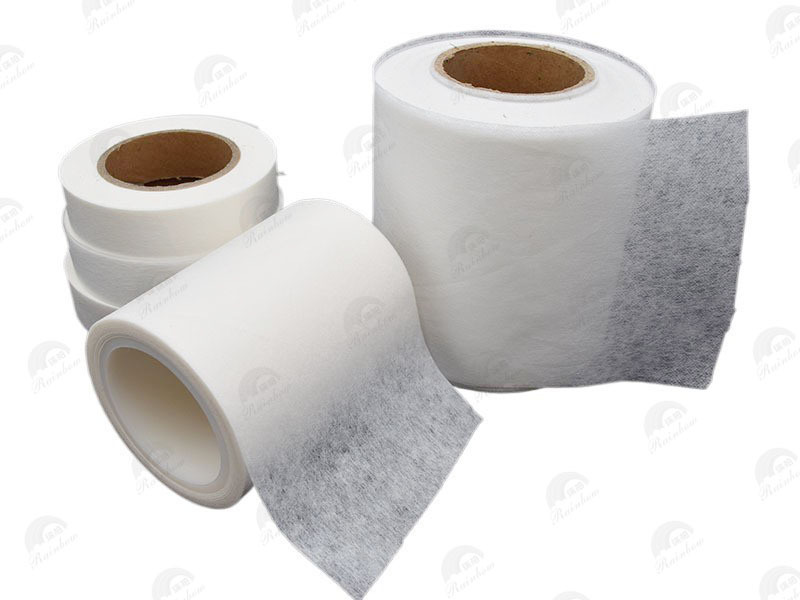
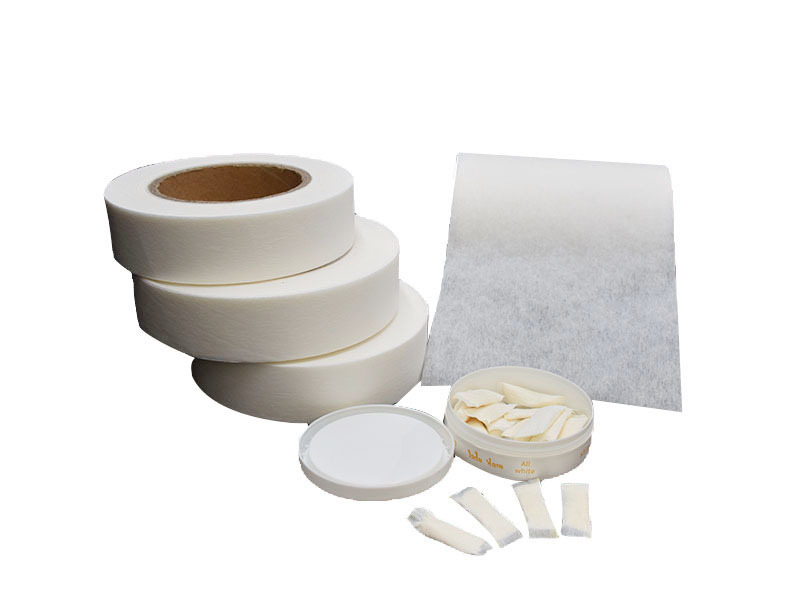
Nonwoven fabrics have gained significant attention in recent years due to their versatility and functionality across multiple industries. Among these, GRS Nonwoven Fabric stands out as an essential component in sustainable textile innovation. GRS, or Global Recycle Standard, signifies that the material is produced in compliance with stringent environmental and social criteria, making it an ideal choice for environmentally conscious manufacturers and consumers alike.
One of the primary characteristics of GRS Nonwoven Fabric is its composition. Made from recycled materials, this fabric significantly reduces the demand for virgin resources. The production process involves bonding fibers together through mechanical, thermal, or chemical means, resulting in a robust and durable material that can be tailored to meet specific application requirements. This adaptability is one of the reasons GRS Nonwoven Fabric is widely used in diverse sectors, including hygiene products, medical supplies, and geotextiles.
The environmental benefits of GRS Nonwoven Fabric are significant. By utilizing recycled fibers, manufacturers can lower their carbon footprint and contribute to waste reduction. The GRS certification also ensures that the fabric meets strict environmental standards, providing assurance that the production process is both sustainable and ethical. This aspect is particularly appealing to businesses looking to enhance their sustainability credentials while meeting consumer demand for eco-friendly products.
In addition to its environmental advantages, GRS Nonwoven Fabric offers practical benefits. Its lightweight, breathable, and water-resistant properties make it suitable for various applications. In the medical field, for instance, GRS Nonwoven Fabric is used in personal protective equipment (PPE) and surgical gowns, providing essential protection without compromising comfort. In the hygiene sector, it is found in products such as diapers and feminine hygiene items, where it offers both absorbency and softness.
Furthermore, the ability to produce GRS Nonwoven Fabric in various weights and thicknesses allows manufacturers to create specialized products that meet specific industry standards. This flexibility is crucial in a fast-paced market where customization is key to staying competitive.
In conclusion, GRS Nonwoven Fabric represents an important advancement in the textile industry, merging sustainability with functionality. Its recycled composition, coupled with the rigorous standards of the Global Recycle Standard, makes it an attractive option for businesses aiming to embrace eco-friendly practices. As industries continue to evolve, GRS Nonwoven Fabric will undoubtedly play a pivotal role in driving innovation and sustainability in textiles.
One of the primary characteristics of GRS Nonwoven Fabric is its composition. Made from recycled materials, this fabric significantly reduces the demand for virgin resources. The production process involves bonding fibers together through mechanical, thermal, or chemical means, resulting in a robust and durable material that can be tailored to meet specific application requirements. This adaptability is one of the reasons GRS Nonwoven Fabric is widely used in diverse sectors, including hygiene products, medical supplies, and geotextiles.
The environmental benefits of GRS Nonwoven Fabric are significant. By utilizing recycled fibers, manufacturers can lower their carbon footprint and contribute to waste reduction. The GRS certification also ensures that the fabric meets strict environmental standards, providing assurance that the production process is both sustainable and ethical. This aspect is particularly appealing to businesses looking to enhance their sustainability credentials while meeting consumer demand for eco-friendly products.
In addition to its environmental advantages, GRS Nonwoven Fabric offers practical benefits. Its lightweight, breathable, and water-resistant properties make it suitable for various applications. In the medical field, for instance, GRS Nonwoven Fabric is used in personal protective equipment (PPE) and surgical gowns, providing essential protection without compromising comfort. In the hygiene sector, it is found in products such as diapers and feminine hygiene items, where it offers both absorbency and softness.
Furthermore, the ability to produce GRS Nonwoven Fabric in various weights and thicknesses allows manufacturers to create specialized products that meet specific industry standards. This flexibility is crucial in a fast-paced market where customization is key to staying competitive.
In conclusion, GRS Nonwoven Fabric represents an important advancement in the textile industry, merging sustainability with functionality. Its recycled composition, coupled with the rigorous standards of the Global Recycle Standard, makes it an attractive option for businesses aiming to embrace eco-friendly practices. As industries continue to evolve, GRS Nonwoven Fabric will undoubtedly play a pivotal role in driving innovation and sustainability in textiles.
GRS Nonwoven Fabric
Latest News


Nantong Rainbow Nonwoven Tech Co.,Ltd.
Telephone:+86-13587673537 +86-15851257231
E-mail:chrislc717@163.com christy@ntrainbow.com
sales1@ntrainbow.com
Address: (No. 88, Sanzong South Road) Group 42, Xichansi Village, Xiting Town, Tongzhou District, Nantong City, Jiangsu Province

Copyright©2024 Nantong Rainbow Technology Co., Ltd. | Powered by www.300.cn
Copyright©2024 Nantong Rainbow Technology Co., Ltd.
Powered by www.300.cn