
Exploring the Versatile Benefits of Foam Bonded Nonwoven Lining
Release time:
2025-09-24
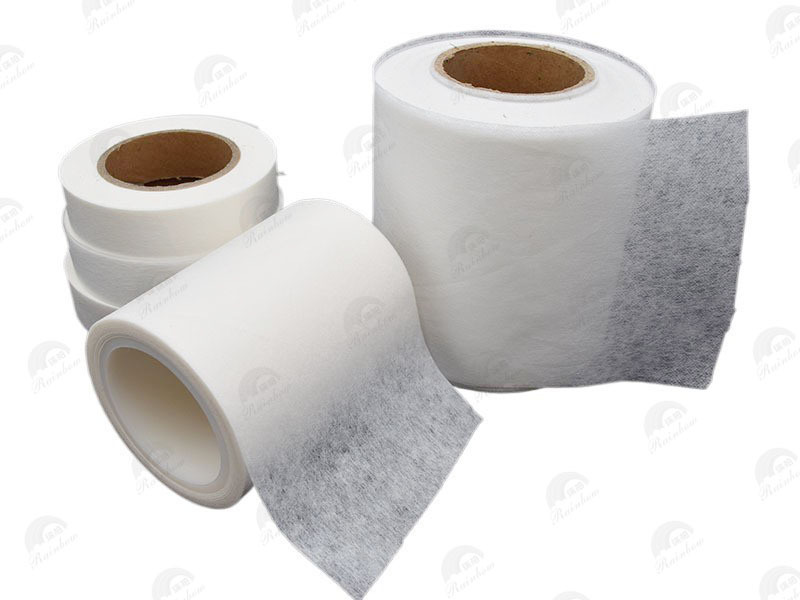
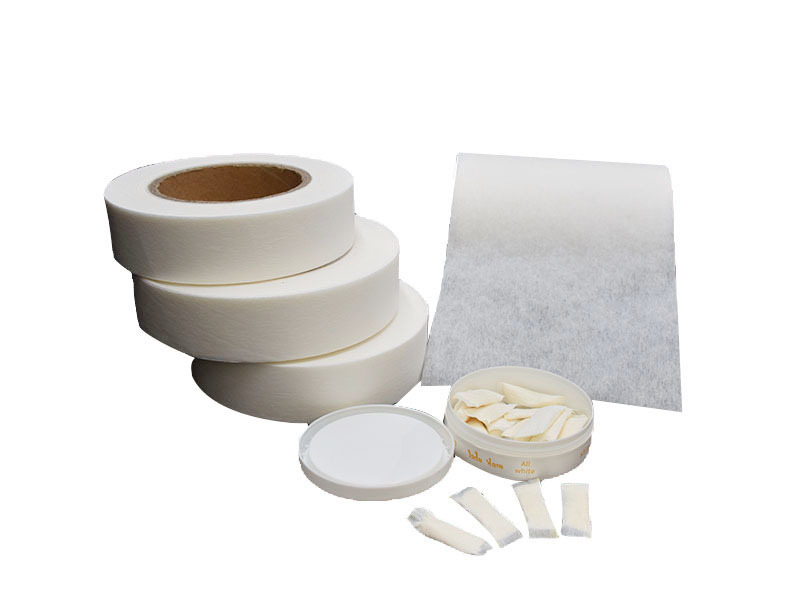
Foam bonded nonwoven lining is a revolutionary material that has gained traction in various sectors due to its distinctive characteristics and multiple applications. This type of nonwoven fabric is created by bonding a layer of foam to a nonwoven substrate, which results in a fabric that is not only lightweight but also offers enhanced cushioning and insulation properties. Understanding its composition and benefits can help professionals in the textile industry leverage its potential effectively.
One of the primary advantages of foam bonded nonwoven lining is its excellent thermal insulation. The foam layer traps air, creating a barrier that reduces heat transfer. This makes it an ideal choice for applications in clothing, automotive interiors, and home furnishings, where temperature regulation and comfort are paramount. Additionally, its lightweight nature ensures that products remain comfortable and easy to handle, which is crucial in consumer goods.
Moreover, the durability of foam bonded nonwoven lining cannot be overstated. It exhibits strong resistance to wear and tear, making it suitable for high-traffic applications. This durability extends the lifespan of products, thereby providing value to manufacturers and consumers alike. In the automotive sector, for example, this lining can be used in headliners, door panels, and trunk liners, where it contributes to both aesthetic appeal and functionality.
Another noteworthy property of foam bonded nonwoven lining is its sound-dampening ability. The foam component absorbs sound, making it a popular choice in settings where noise reduction is desired. This characteristic is particularly beneficial in automotive and aerospace applications, where reducing vibration and noise can enhance the overall experience for users.
Foam bonded nonwoven lining is also environmentally friendly, as it can be made from recyclable materials. Manufacturers are increasingly focused on sustainability, and using eco-friendly materials aligns with this trend. This aspect can be a significant selling point for businesses looking to appeal to environmentally conscious consumers.
In summary, foam bonded nonwoven lining is a versatile and practical material that offers a range of benefits, including thermal insulation, durability, sound dampening, and environmental friendliness. As industries continue to evolve, the demand for such innovative materials will likely grow. Professionals in the textile field should consider how foam bonded nonwoven lining can be integrated into their product lines to enhance performance and meet the needs of modern consumers. By understanding its unique properties, businesses can make informed decisions that drive innovation and sustainability within their operations.
One of the primary advantages of foam bonded nonwoven lining is its excellent thermal insulation. The foam layer traps air, creating a barrier that reduces heat transfer. This makes it an ideal choice for applications in clothing, automotive interiors, and home furnishings, where temperature regulation and comfort are paramount. Additionally, its lightweight nature ensures that products remain comfortable and easy to handle, which is crucial in consumer goods.
Moreover, the durability of foam bonded nonwoven lining cannot be overstated. It exhibits strong resistance to wear and tear, making it suitable for high-traffic applications. This durability extends the lifespan of products, thereby providing value to manufacturers and consumers alike. In the automotive sector, for example, this lining can be used in headliners, door panels, and trunk liners, where it contributes to both aesthetic appeal and functionality.
Another noteworthy property of foam bonded nonwoven lining is its sound-dampening ability. The foam component absorbs sound, making it a popular choice in settings where noise reduction is desired. This characteristic is particularly beneficial in automotive and aerospace applications, where reducing vibration and noise can enhance the overall experience for users.
Foam bonded nonwoven lining is also environmentally friendly, as it can be made from recyclable materials. Manufacturers are increasingly focused on sustainability, and using eco-friendly materials aligns with this trend. This aspect can be a significant selling point for businesses looking to appeal to environmentally conscious consumers.
In summary, foam bonded nonwoven lining is a versatile and practical material that offers a range of benefits, including thermal insulation, durability, sound dampening, and environmental friendliness. As industries continue to evolve, the demand for such innovative materials will likely grow. Professionals in the textile field should consider how foam bonded nonwoven lining can be integrated into their product lines to enhance performance and meet the needs of modern consumers. By understanding its unique properties, businesses can make informed decisions that drive innovation and sustainability within their operations.
Foam Bonded Nonwoven lining
Latest News


Nantong Rainbow Nonwoven Tech Co.,Ltd.
Telephone:+86-13587673537 +86-15851257231
E-mail:chrislc717@163.com christy@ntrainbow.com
sales1@ntrainbow.com
Address: (No. 88, Sanzong South Road) Group 42, Xichansi Village, Xiting Town, Tongzhou District, Nantong City, Jiangsu Province

Copyright©2024 Nantong Rainbow Technology Co., Ltd. | Powered by www.300.cn
Copyright©2024 Nantong Rainbow Technology Co., Ltd.
Powered by www.300.cn