
How to Choose the Right Polyester Interlining for Your Fashion Designs
Release time:
2025-09-23
How to Choose the Right Polyester Interlining for Your Fashion Designs
Table of Contents
- Understanding Polyester Interlining
- The Importance of Interlining in Fashion Design
- Types of Polyester Interlining
- Determining the Right Weight of Interlining
- Considering Fabric Types and Drapability
- Application Techniques for Interlining
- Caring for Polyester Interlining
- Common Mistakes to Avoid When Choosing Interlining
- Conclusion
- FAQs
Understanding Polyester Interlining
Polyester interlining is a crucial component in the realm of fashion design, serving as a supportive layer that enhances the fabric's structure and stability. This lightweight material is often used in garments like jackets, blazers, and dresses to provide form and shape. Unlike other types of interlining, polyester offers durability and resilience, making it an ideal choice for both high-end and everyday wear.
Polyester interlining is manufactured through a process that involves weaving synthetic fibers into a flexible mesh. This results in a fabric that is not only strong but also resistant to wrinkling and shrinking, ensuring that your designs maintain their intended look over time.
The Importance of Interlining in Fashion Design
Interlining plays a pivotal role in the overall quality and appearance of fashion garments. It serves several essential functions:
1. **Structure and Shape**: The primary purpose of interlining is to provide structure to garments. It helps maintain the shape of collars, cuffs, and waistbands, giving the piece a polished look.
2. **Support**: Interlining offers support to delicate fabrics, preventing them from sagging or losing their form.
3. **Heat Retention**: Some polyester interlinings have insulating properties that help retain warmth in outerwear, making them functional as well as aesthetic.
4. **Comfort**: The right interlining can enhance the comfort of a garment by providing a soft layer against the skin, reducing irritation from seams or rough fabrics.
5. **Aesthetic Appeal**: Interlining contributes to the overall aesthetic of the garment. It can add body to a piece, helping it to drape beautifully.
Types of Polyester Interlining
Choosing the right type of polyester interlining is essential for achieving the desired outcome in your fashion designs. Here are some common types:
1. Fusible Interlining
Fusible interlining is coated with a heat-activated adhesive, allowing it to bond directly to the fabric when pressed with an iron. This type is popular for its ease of application and ability to provide strong support without additional sewing.
2. Sew-in Interlining
Unlike fusible interlining, sew-in interlining must be stitched into the garment. This option is often preferred for delicate fabrics where heat may cause damage. Sew-in interlining provides controlled shaping and support.
3. Non-woven Interlining
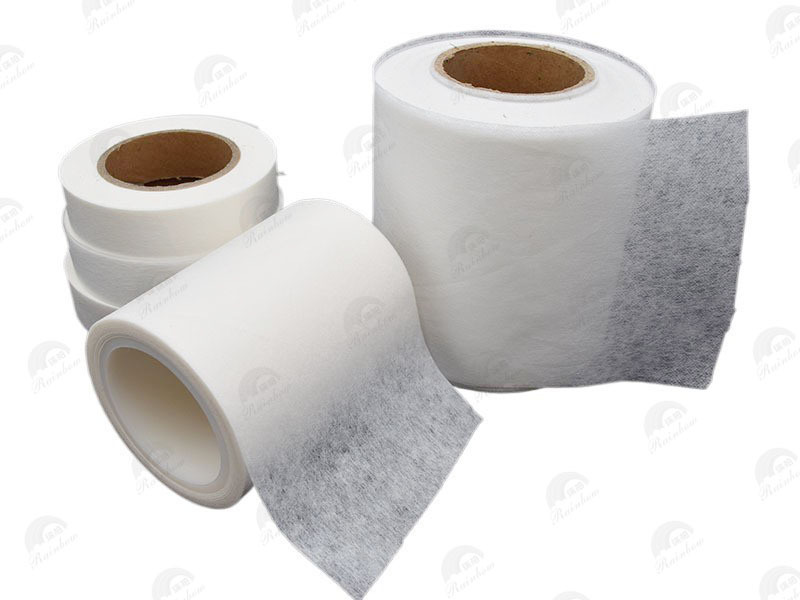
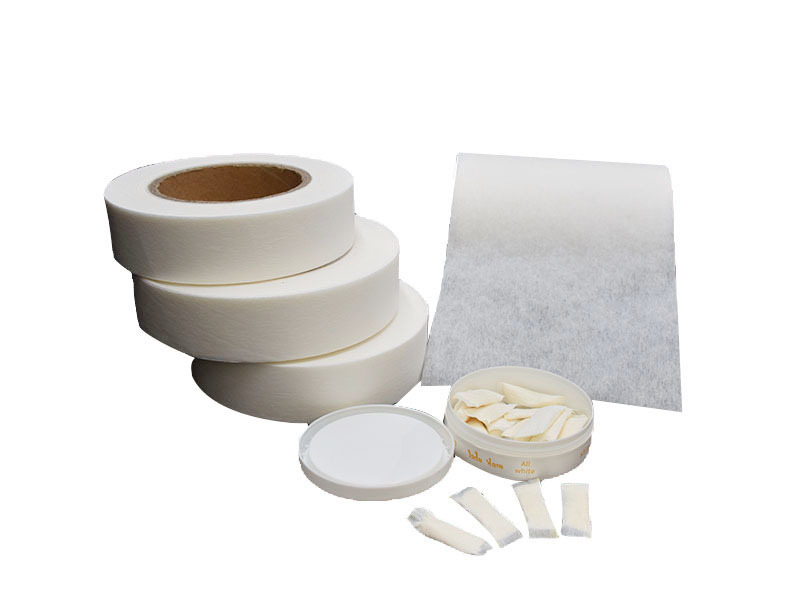
Non-woven polyester interlining is made from fibers that are bonded together rather than woven. This type offers excellent stability and is often used in high-end fashion garments.
4. Woven Interlining
Woven interlining is created using traditional weaving techniques, providing a more textured feel. It is typically more expensive but offers a luxurious finish.
Determining the Right Weight of Interlining
When selecting polyester interlining, it’s critical to choose the right weight that complements the fabric of your garment. Interlining generally comes in various weights, which can significantly affect the drape and overall appearance of the finished piece.
1. Lightweight Interlining
Lightweight interlining is ideal for delicate fabrics like silk or chiffon. It adds minimal bulk while providing necessary support.
2. Medium-weight Interlining
This versatile option works well with a variety of fabrics, including cotton and wool. It offers a balance between structure and flexibility, making it a popular choice for everyday garments.
3. Heavyweight Interlining
Heavyweight interlining is suitable for outerwear and structured pieces. It provides substantial support and is excellent for garments that require more shape.
Considering Fabric Types and Drapability
The fabric you choose for your garment will heavily influence your choice of interlining. Different materials have different weights, textures, and draping qualities.
1. **Natural Fabrics**: Fabrics like cotton and linen may require a heavier interlining to maintain their shape, especially in structured garments.
2. **Synthetic Fabrics**: Polyester and nylon fabrics can pair well with various weights of interlining, allowing for more creative flexibility.
3. **Drapability**: Consider the drape of your main fabric. If it is fluid and drapery, a lightweight interlining might work best to avoid adding excess structure.
Application Techniques for Interlining
Applying polyester interlining correctly is crucial for achieving the best results. Here are key techniques for effective application:
1. Prepping the Fabric
Before applying interlining, ensure that your main fabric is pre-washed and ironed to prevent shrinking after the garment is completed.
2. Cutting the Interlining
Cut the interlining pieces accurately, following the same pattern as your main fabric. It’s essential to maintain the grainline for proper draping.
3. Bonding Fusible Interlining
For fusible interlining, place it adhesive side down on the fabric. Use a pressing cloth to protect the fabric and apply heat with an iron, ensuring a secure bond.
4. Sewing Sew-in Interlining
When using sew-in interlining, pin it in place and sew along the edges. Ensure to use a suitable thread to avoid any puckering.
Caring for Polyester Interlining
Proper care ensures that polyester interlining maintains its properties throughout the life of the garment. Here are some tips for caring for garments with polyester interlining:
1. **Washing**: Most polyester interlinings are machine washable, but check the care label. Use a gentle cycle and cool water to preserve the integrity of the interlining.
2. **Drying**: Avoid high heat when drying. Instead, opt for air drying or a low-heat setting in the dryer.
3. **Ironing**: Use a low heat setting when ironing garments with interlining. To avoid damaging the interlining, always use a pressing cloth.
Common Mistakes to Avoid When Choosing Interlining
Making an informed choice about polyester interlining can significantly affect the quality of your garments. Here are common mistakes to avoid:
1. **Ignoring Fabric Compatibility**: Always consider the fabric type and drapability when selecting interlining. Mismatched weights can lead to unsatisfactory results.
2. **Overlooking Care Instructions**: Not adhering to care instructions can affect the longevity of both the interlining and the main fabric.
3. **Neglecting the Grainline**: Cutting interlining against the grainline can lead to distortion and an uneven fit.
4. **Forgetting to Test**: Always test the interlining on a small fabric swatch before proceeding with the entire garment to ensure compatibility.
Conclusion
Selecting the right polyester interlining is a fundamental step in the fashion design process. The right choice enhances the structure, comfort, and overall aesthetic of your garments. By understanding the various types, weights, and application techniques, as well as the importance of fabric compatibility, fashion designers can make informed decisions that enhance their work. Remember to test various interlinings, consider the specific needs of your designs, and maintain proper care to ensure that your creations stand the test of time.
FAQs
1. What is the primary function of polyester interlining?
The primary function of polyester interlining is to provide support and structure to garments, enhancing their overall shape and appearance.
2. How do I choose the right weight of interlining?
Choose the weight of interlining based on the fabric type. Lightweight interlining works well with delicate fabrics, while heavier weights are suitable for structured garments.
3. Can I machine wash garments with polyester interlining?
Yes, most polyester interlinings are machine washable, but it’s important to follow the specific care instructions on the label.
4. What are the differences between fusible and sew-in interlining?
Fusible interlining has an adhesive backing that bonds to the fabric when heated, while sew-in interlining must be stitched into the garment.
5. How can I avoid mistakes when choosing interlining?
To avoid mistakes, consider fabric compatibility, adhere to care instructions, cut along the grainline, and test interlining on fabric swatches before application.
polyester interlining for garment
Latest News


Nantong Rainbow Nonwoven Tech Co.,Ltd.
Telephone:+86-13587673537 +86-15851257231
E-mail:chrislc717@163.com christy@ntrainbow.com
sales1@ntrainbow.com
Address: (No. 88, Sanzong South Road) Group 42, Xichansi Village, Xiting Town, Tongzhou District, Nantong City, Jiangsu Province

Copyright©2024 Nantong Rainbow Technology Co., Ltd. | Powered by www.300.cn
Copyright©2024 Nantong Rainbow Technology Co., Ltd.
Powered by www.300.cn