
Understanding Chemical Bonded Nonwoven Fusible Interlining: A Key Component in Textile Applications
Release time:
2025-09-22
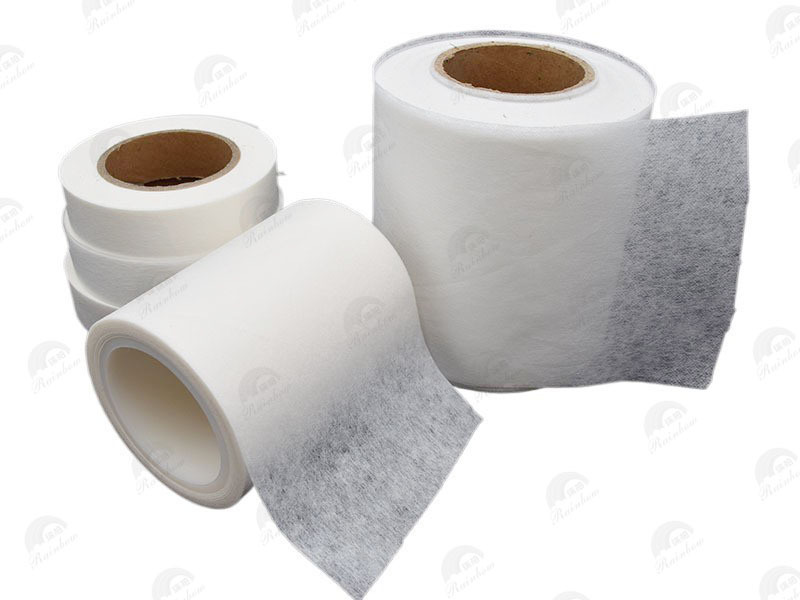
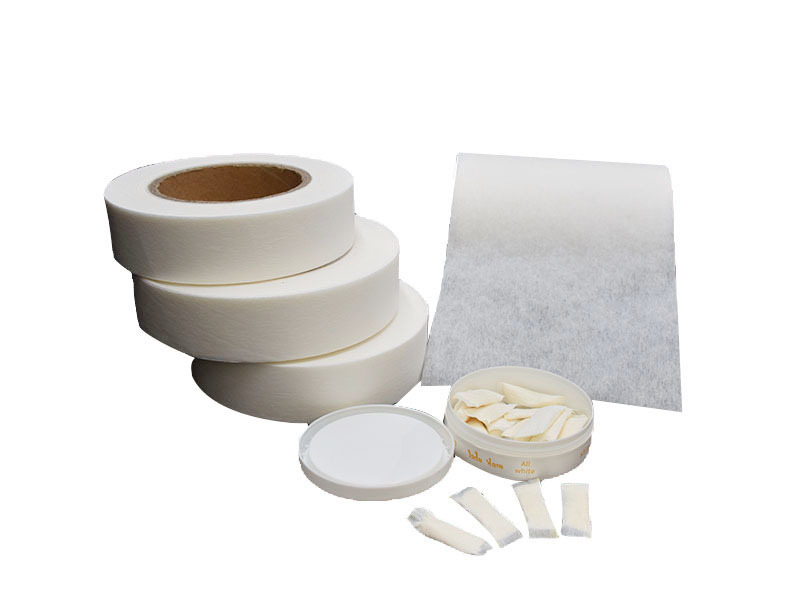
Chemical bonded nonwoven fusible interlining is a specialized textile material commonly used in the garment and apparel industry. This type of interlining provides various benefits, especially in enhancing the structural integrity and aesthetic appeal of garments. The term "chemical bonded" refers to the process by which fibers are fused together using adhesive resins, creating a strong and stable fabric that can withstand various stresses during garment production and wear.
One of the primary advantages of chemical bonded nonwoven fusible interlining is its lightweight nature, which makes it ideal for a range of applications, from shirts to jackets. Unlike traditional woven interlinings, which can be heavier and less flexible, chemical bonded nonwoven interlining offers a soft drape, ensuring that garments maintain their shape without compromising comfort. This is particularly crucial for tailored apparel, where the fit and form of the garment are paramount.
Another significant benefit of this type of interlining is its versatility. Chemical bonded nonwoven fusible interlining can be produced in various weights and thicknesses, allowing designers to select the perfect material for their specific needs. Whether it’s providing extra support to the collar of a shirt or adding structure to a tailored suit, this interlining can be customized to meet the unique requirements of each garment.
Additionally, the fusible nature of this interlining allows for easy application during the garment construction process. It typically features a heat-activated adhesive on one side, which bonds the interlining to the main fabric when pressed with an iron. This application method not only saves time during production but also ensures a secure attachment that withstands regular wear and washing.
Furthermore, chemical bonded nonwoven fusible interlining is also known for its durability. The manufacturing process enhances the fabric’s resistance to fraying, fading, and other forms of wear, which increases the overall lifespan of the garment. For professionals in the textile industry, this means that garments can maintain their appearance and structure over time, leading to greater customer satisfaction.
In summary, chemical bonded nonwoven fusible interlining is an essential component in the textile industry, providing strength, flexibility, and durability to garments. Its lightweight and versatile nature, combined with its ease of application, make it a preferred choice for designers and manufacturers alike. Understanding the benefits and applications of this material can significantly enhance the quality of textile products and improve overall consumer experience.
One of the primary advantages of chemical bonded nonwoven fusible interlining is its lightweight nature, which makes it ideal for a range of applications, from shirts to jackets. Unlike traditional woven interlinings, which can be heavier and less flexible, chemical bonded nonwoven interlining offers a soft drape, ensuring that garments maintain their shape without compromising comfort. This is particularly crucial for tailored apparel, where the fit and form of the garment are paramount.
Another significant benefit of this type of interlining is its versatility. Chemical bonded nonwoven fusible interlining can be produced in various weights and thicknesses, allowing designers to select the perfect material for their specific needs. Whether it’s providing extra support to the collar of a shirt or adding structure to a tailored suit, this interlining can be customized to meet the unique requirements of each garment.
Additionally, the fusible nature of this interlining allows for easy application during the garment construction process. It typically features a heat-activated adhesive on one side, which bonds the interlining to the main fabric when pressed with an iron. This application method not only saves time during production but also ensures a secure attachment that withstands regular wear and washing.
Furthermore, chemical bonded nonwoven fusible interlining is also known for its durability. The manufacturing process enhances the fabric’s resistance to fraying, fading, and other forms of wear, which increases the overall lifespan of the garment. For professionals in the textile industry, this means that garments can maintain their appearance and structure over time, leading to greater customer satisfaction.
In summary, chemical bonded nonwoven fusible interlining is an essential component in the textile industry, providing strength, flexibility, and durability to garments. Its lightweight and versatile nature, combined with its ease of application, make it a preferred choice for designers and manufacturers alike. Understanding the benefits and applications of this material can significantly enhance the quality of textile products and improve overall consumer experience.
chemical bonded Nonwoven fusible interlining
Latest News


Nantong Rainbow Nonwoven Tech Co.,Ltd.
Telephone:+86-13587673537 +86-15851257231
E-mail:chrislc717@163.com christy@ntrainbow.com
sales1@ntrainbow.com
Address: (No. 88, Sanzong South Road) Group 42, Xichansi Village, Xiting Town, Tongzhou District, Nantong City, Jiangsu Province

Copyright©2024 Nantong Rainbow Technology Co., Ltd. | Powered by www.300.cn
Copyright©2024 Nantong Rainbow Technology Co., Ltd.
Powered by www.300.cn