
Understanding Nonwoven Fusible Interlining: A Key Component in Textile Applications
Release time:
2025-09-06
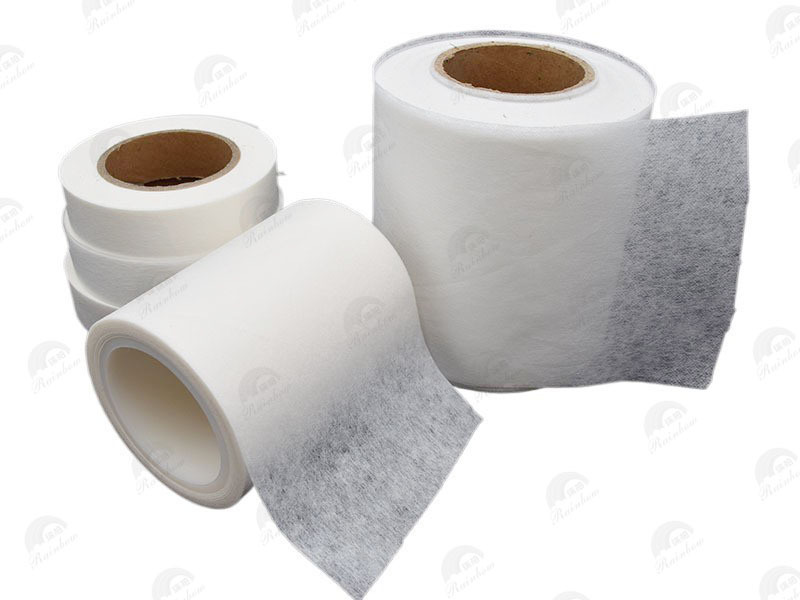
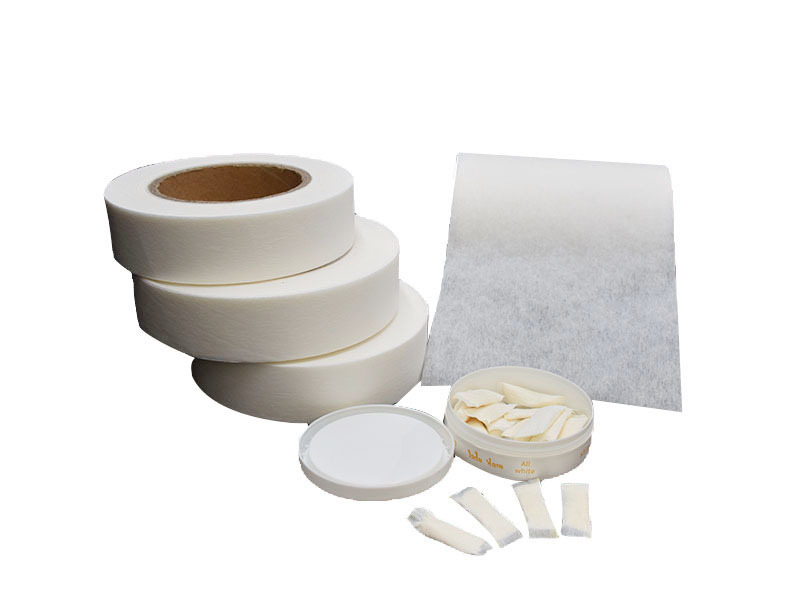
Nonwoven fusible interlining is a crucial textile accessory that plays a significant role in the garment construction process. This material is crafted from a blend of fibers that are bonded together through a variety of methods, including heat, pressure, and adhesive application. Its primary function is to provide structure, support, and stability to fabrics, making it an indispensable component in the production of various clothing items.
One of the standout features of nonwoven fusible interlining is its ability to adhere to the fabric seamlessly. The fusible layer typically consists of a heat-activated adhesive that allows it to bond with the primary fabric when exposed to heat during the pressing process. This characteristic not only enhances the overall strength of the garment but also contributes to a cleaner finish, eliminating the need for additional stitching or fusing methods.
In the realm of fashion and garment design, nonwoven fusible interlining offers a multitude of benefits. For instance, it helps maintain the shape of collars, cuffs, and waistbands, thereby ensuring that garments retain their intended silhouette even after multiple washes. Moreover, this interlining provides a level of stiffness and support that is often required in tailored garments, making it a preferred choice among designers looking to create structured pieces.
Another significant advantage of nonwoven fusible interlining is its lightweight nature. Unlike traditional woven interlinings, which can add bulk to a garment, nonwoven options provide support without compromising comfort. This is particularly important in modern fashion, where the emphasis is on fluidity and wearability. The breathability of nonwoven materials also adds to the overall comfort, making them suitable for a wide range of applications.
Furthermore, nonwoven fusible interlining is available in various weights and thicknesses, allowing manufacturers to select the most appropriate option for their specific needs. This versatility means that it can be used in everything from lightweight blouses to heavy coats, catering to different styles and designs.
In conclusion, nonwoven fusible interlining significantly enhances the quality and durability of textile products. Its ability to provide support and structure, combined with its lightweight and breathable properties, makes it an excellent choice for a variety of garment applications. Understanding the benefits and functionalities of nonwoven fusible interlining can empower textile professionals to make informed decisions in their production processes, ultimately leading to higher-quality finished products.
One of the standout features of nonwoven fusible interlining is its ability to adhere to the fabric seamlessly. The fusible layer typically consists of a heat-activated adhesive that allows it to bond with the primary fabric when exposed to heat during the pressing process. This characteristic not only enhances the overall strength of the garment but also contributes to a cleaner finish, eliminating the need for additional stitching or fusing methods.
In the realm of fashion and garment design, nonwoven fusible interlining offers a multitude of benefits. For instance, it helps maintain the shape of collars, cuffs, and waistbands, thereby ensuring that garments retain their intended silhouette even after multiple washes. Moreover, this interlining provides a level of stiffness and support that is often required in tailored garments, making it a preferred choice among designers looking to create structured pieces.
Another significant advantage of nonwoven fusible interlining is its lightweight nature. Unlike traditional woven interlinings, which can add bulk to a garment, nonwoven options provide support without compromising comfort. This is particularly important in modern fashion, where the emphasis is on fluidity and wearability. The breathability of nonwoven materials also adds to the overall comfort, making them suitable for a wide range of applications.
Furthermore, nonwoven fusible interlining is available in various weights and thicknesses, allowing manufacturers to select the most appropriate option for their specific needs. This versatility means that it can be used in everything from lightweight blouses to heavy coats, catering to different styles and designs.
In conclusion, nonwoven fusible interlining significantly enhances the quality and durability of textile products. Its ability to provide support and structure, combined with its lightweight and breathable properties, makes it an excellent choice for a variety of garment applications. Understanding the benefits and functionalities of nonwoven fusible interlining can empower textile professionals to make informed decisions in their production processes, ultimately leading to higher-quality finished products.
Nonwoven fusible interlining
Latest News


Nantong Rainbow Nonwoven Tech Co.,Ltd.
Telephone:+86-13587673537 +86-15851257231
E-mail:chrislc717@163.com christy@ntrainbow.com
sales1@ntrainbow.com
Address: (No. 88, Sanzong South Road) Group 42, Xichansi Village, Xiting Town, Tongzhou District, Nantong City, Jiangsu Province

Copyright©2024 Nantong Rainbow Technology Co., Ltd. | Powered by www.300.cn
Copyright©2024 Nantong Rainbow Technology Co., Ltd.
Powered by www.300.cn