
The Essential Role of Woven Fusible Interlining in Enhancing Fabric Structure
Release time:
2025-09-05
The Essential Role of Woven Fusible Interlining in Enhancing Fabric Structure
Table of Contents
- 1. Introduction to Woven Fusible Interlining
- 2. What is Woven Fusible Interlining?
- 3. Benefits of Using Woven Fusible Interlining
- 4. Applications of Woven Fusible Interlining in the Textile Industry
- 5. Choosing the Right Woven Fusible Interlining for Your Fabric
- 6. Application Techniques for Woven Fusible Interlining
- 7. Troubleshooting Common Issues with Woven Fusible Interlining
- 8. The Future of Woven Fusible Interlining Technology
- 9. Frequently Asked Questions (FAQs)
- 10. Conclusion
1. Introduction to Woven Fusible Interlining
In the world of textiles, the quest for **enhanced quality** and **durability** is paramount. Enter **woven fusible interlining**, a crucial yet often underappreciated component of fabric construction. This article delves into the **multifaceted benefits** of woven fusible interlining, illustrating how it not only strengthens fabric structure but also elevates the overall aesthetic and performance of textile products.
2. What is Woven Fusible Interlining?
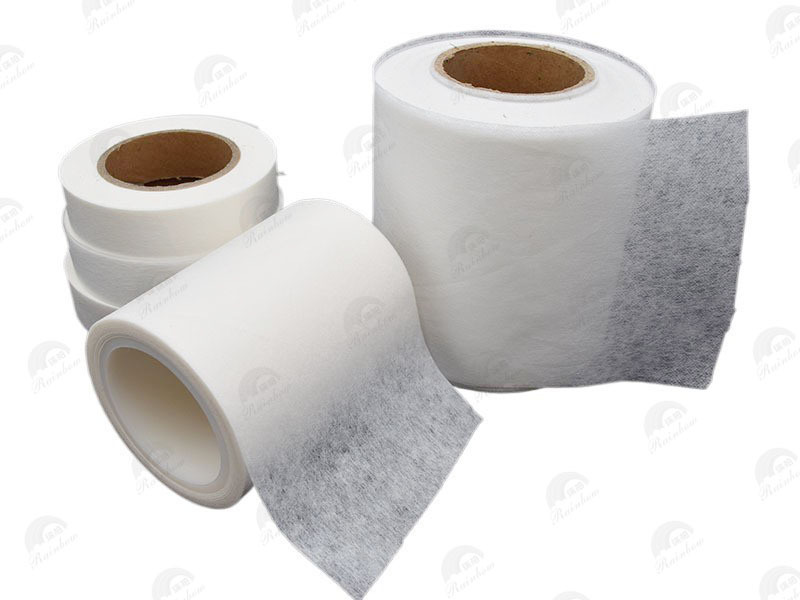
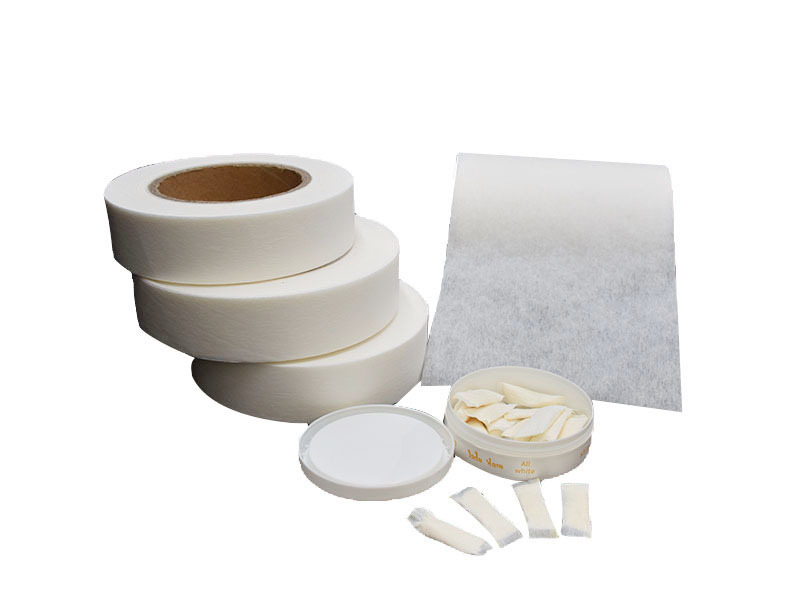
Woven fusible interlining consists of a fabric layer coated with a heat-activated adhesive on one side. When applied to the fabric using heat, this adhesive bonds the interlining to the outer fabric, providing a stable foundation that enhances its structure. Commonly used in shirts, jackets, and tailored garments, this interlining is available in various weights and textures to suit different applications.
2.1 Types of Woven Fusible Interlining
There are several types of woven fusible interlining, each designed for specific applications:
- **Lightweight Interlining**: Ideal for delicate fabrics, offering subtle support without adding bulk.
- **Medium-weight Interlining**: Suitable for general applications, providing a balanced level of support and flexibility.
- **Heavyweight Interlining**: Best for structured garments, offering maximum support and shaping capabilities.
3. Benefits of Using Woven Fusible Interlining
The use of woven fusible interlining offers a multitude of benefits that can drastically enhance fabric performance and longevity.
3.1 Improved Shape Retention
Woven fusible interlining provides structure, helping garments maintain their intended shape over time. This is particularly important for tailored pieces, where a crisp silhouette is essential.
3.2 Enhanced Durability
By reinforcing the fabric, woven fusible interlining increases the **durability** of garments, making them resistant to wear and tear. This added strength helps fabrics withstand daily use and washing without losing their integrity.
3.3 Better Comfort and Fit
With the right interlining, garments can fit better and feel more comfortable. The interlining helps in minimizing stretch and distortion, resulting in a more flattering fit.
3.4 Aesthetic Appeal
The smooth finish provided by woven fusible interlining enhances the visual appeal of garments. This helps in achieving a polished look, critical for formal and professional attire.
3.5 Versatility in Fabric Selection
Woven fusible interlining can be used with a variety of fabric types, including cotton, polyester, and blends. This versatility allows designers to experiment with different textiles while ensuring consistent quality.
4. Applications of Woven Fusible Interlining in the Textile Industry
Woven fusible interlining is widely employed across various sectors of the textile industry.
4.1 Tailoring and Fashion Design
In tailoring, woven fusible interlining is essential for creating fitted garments, including suits, coats, and dresses. Its ability to provide structure makes it a favorite among fashion designers.
4.2 Home Furnishings
In the realm of home decor, woven fusible interlining is used in curtains, upholstery, and cushions to provide structure and durability, ensuring that these items maintain their shape and aesthetic appeal.
4.3 Sportswear
In sportswear, the interlining contributes to the **lightweight yet durable** fabric composition, allowing for freedom of movement while retaining the garment's shape during physical activities.
5. Choosing the Right Woven Fusible Interlining for Your Fabric
Selecting the appropriate woven fusible interlining is crucial for achieving the desired results. Here are some factors to consider:
5.1 Fabric Type
The type of fabric being used will significantly influence the choice of interlining. Lightweight fabrics require a lighter interlining, while heavier fabrics can accommodate a more robust option.
5.2 Intended Use
Consider the end use of the garment or fabric item. Formal wear may need a stiffer interlining for structure, while casual clothing may benefit from a more flexible option.
5.3 Adhesive Quality
The quality of the adhesive is vital for ensuring a strong bond. Look for interlining products that offer good wash and wear resistance to maintain performance over time.
5.4 Weight and Texture
Choosing the right weight and texture will help achieve the desired drape and finish of the garment. Testing various options can help determine the best fit for the specific project.
6. Application Techniques for Woven Fusible Interlining
Applying woven fusible interlining correctly is key to maximizing its benefits. Here are some step-by-step techniques for effective application:
6.1 Preparing the Fabric
Ensure that the fabric is clean and free of wrinkles. Pressing the fabric before application can help achieve a better bond.
6.2 Cutting the Interlining
Cut the interlining according to the pattern pieces, ensuring a perfect fit. It’s advisable to cut slightly larger than the fabric edges to allow for alignment.
6.3 Positioning and Pressing
Position the interlining adhesive side down onto the fabric and cover it with a pressing cloth. Use an iron set to the appropriate temperature for the fabric type, applying firm pressure to fuse the layers together.
6.4 Cooling and Checking the Bond
Once pressed, allow the fabric and interlining to cool before handling. Test the bond by gently tugging on the edges to ensure they are securely attached.
7. Troubleshooting Common Issues with Woven Fusible Interlining
Even with careful application, issues can arise. Here are some common problems and solutions:
7.1 Peeling Edges
If the edges of the interlining begin to peel, it may indicate inadequate heat or pressure during application. Re-press the area with appropriate adjustments.
7.2 Wrinkling
Wrinkling may occur if the interlining is not fused properly. Ensure consistent heat application and avoid overloading the iron.
7.3 Bonding Failure
If the interlining fails to bond, check the adhesive quality and ensure that the fabric was adequately prepared before application.
8. The Future of Woven Fusible Interlining Technology
As technology advances, the future of woven fusible interlining looks promising. Innovations in adhesive chemistry and fabric technology are expected to enhance performance, making interlining even more effective in various applications. Sustainable practices may also come into play, as manufacturers seek eco-friendly materials without compromising quality.
9. Frequently Asked Questions (FAQs)
9.1 What is the difference between woven and non-woven fusible interlining?
Woven fusible interlining is made from threads woven together, offering superior stability and structure, while non-woven interlining consists of fibers bonded together and is generally more flexible but less durable.
9.2 Can woven fusible interlining be used with all fabric types?
While woven fusible interlining is versatile, it is essential to match the interlining weight and type with the specific fabric to achieve the best results.
9.3 How can I tell if my interlining is of good quality?
Quality interlining will have a strong adhesive bond, withstand multiple washes without peeling, and exhibit consistent texture and weight throughout.
9.4 Is it possible to remove fused interlining?
Removing fused interlining can be challenging, but it may be possible with careful application of heat and steam to loosen the adhesive. However, this process risks damaging the base fabric.
9.5 How do I care for garments with woven fusible interlining?
Care for garments with woven fusible interlining involves following the fabric care instructions, avoiding high heat during washing and drying, and ensuring gentle handling to maintain the integrity of the interlining.
10. Conclusion
Woven fusible interlining plays a vital role in enhancing fabric structure, offering benefits that cannot be overlooked in the textile industry. From improving durability and shape retention to enhancing the aesthetic quality of garments, its applications are vast and varied. Understanding the types, benefits, and proper application techniques of woven fusible interlining can empower designers and manufacturers to create superior textile products. As technology continues to evolve, the future of woven fusible interlining promises even greater advancements, further solidifying its essential role in fabric enhancement.
woven fusible interlining
Latest News


Nantong Rainbow Nonwoven Tech Co.,Ltd.
Telephone:+86-13587673537 +86-15851257231
E-mail:chrislc717@163.com christy@ntrainbow.com
sales1@ntrainbow.com
Address: (No. 88, Sanzong South Road) Group 42, Xichansi Village, Xiting Town, Tongzhou District, Nantong City, Jiangsu Province

Copyright©2024 Nantong Rainbow Technology Co., Ltd. | Powered by www.300.cn
Copyright©2024 Nantong Rainbow Technology Co., Ltd.
Powered by www.300.cn