
Essential Tips and Tricks for Working with Fusible Nonwoven Interlining: Elevate Your Sewing Projects
Release time:
2025-09-07
Essential Tips and Tricks for Working with Fusible Nonwoven Interlining
Fusible nonwoven interlining is a versatile material that can significantly enhance the quality of your sewing projects. By providing added stability and structure to fabrics, this interlining is favored by both professional designers and home sewists alike. In this article, we delve into a wealth of tips and tricks that will help you effectively work with fusible nonwoven interlining, ensuring your sewing projects turn out beautifully.
Table of Contents
- Understanding Fusible Nonwoven Interlining
- Choosing the Right Type of Fusible Nonwoven Interlining
- Preparing Your Fabric for Interlining
- Applying the Interlining Correctly
- Troubleshooting Common Issues
- Care and Maintenance of Fusible Nonwoven Interlining
- Creative Uses for Fusible Nonwoven Interlining
- Frequently Asked Questions
- Conclusion
Understanding Fusible Nonwoven Interlining
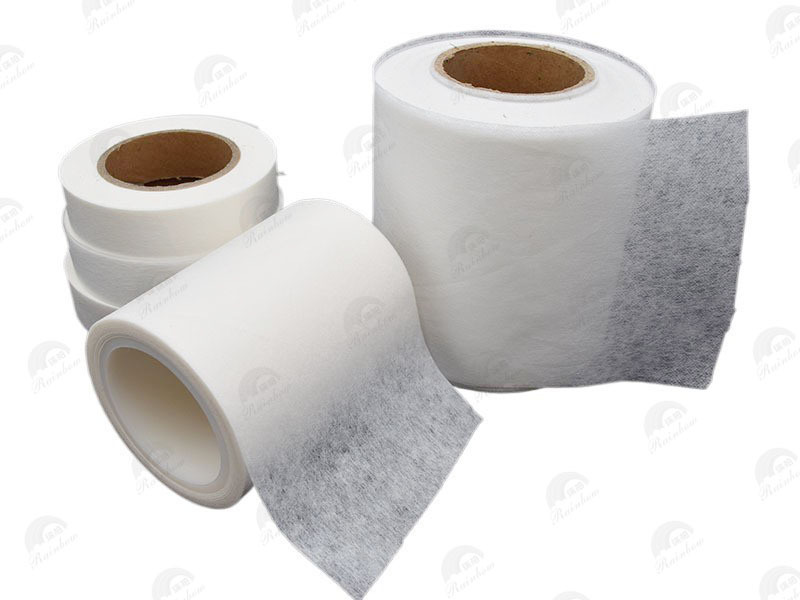
Fusible nonwoven interlining is a fabric that is bonded with an adhesive on one side. This type of interlining provides reinforcement to fabrics, making it ideal for various sewing applications, such as collars, cuffs, and facings. Understanding its construction is essential for successful application. Typically made from polyester or a blend of fibers, fusible nonwoven interlining offers a lightweight alternative to traditional woven interfacing. Its nonwoven structure allows for easy application, ensuring that it seamlessly integrates with the fabric without adding excessive bulk.
Choosing the Right Type of Fusible Nonwoven Interlining
Selecting the appropriate fusible nonwoven interlining is crucial to achieving the desired results in your sewing projects. Here are some key factors to consider:
1. Weight and Thickness
Fusible nonwoven interlinings come in various weights, ranging from lightweight to heavyweight. Lightweight interlinings are suitable for delicate fabrics, while heavyweight options provide more stability for thicker materials. Always match the weight of the interlining with the fabric you are using to ensure optimal results.
2. Fiber Content
Consider the fiber content of the interlining. Polyester is commonly used due to its durability and resistance to shrinking. However, cotton blends may offer a more natural feel, making them ideal for garments that require breathability.
3. Fusible or Sew-in Options
While fusible interlinings are designed to be bonded to the fabric, there are also sew-in options available. If you are working with fabrics that may be adversely affected by heat, such as silk, consider using a sew-in alternative.
Preparing Your Fabric for Interlining
Preparation is key when working with fusible nonwoven interlining. Follow these steps to ensure a smooth application:
1. Pre-Wash Your Fabric
Always pre-wash your fabric before applying interlining. This process removes any sizing or finishes that may interfere with the bonding process, as well as ensuring that both the fabric and interlining shrink uniformly.
2. Cut Accurately
Cut both the fabric and interlining with precision. Use sharp scissors or a rotary cutter for clean edges. It’s advisable to cut the interlining slightly smaller than the fabric to avoid any peeking out from the edges after sewing.
3. Pressing Techniques
Use a pressing cloth when applying heat to avoid scorching the fabric. Make sure to follow the manufacturer’s instructions regarding the appropriate temperature setting for your fabric and interlining.
Applying the Interlining Correctly
The application of fusible nonwoven interlining is a critical step that can make or break your project. Here’s how to do it effectively:
1. Positioning the Interlining
Place the adhesive side of the interlining against the fabric's wrong side. Ensure that it is positioned accurately before applying heat, as repositioning can be difficult once the bond is formed.
2. Heat Application
Using a hot iron, press down on the interlining for the recommended amount of time, typically around 8-10 seconds. Do not slide the iron to prevent shifting the interlining and fabric. Ensure even pressure is applied across the entire area.
3. Cooling Time
Allow the fabric to cool completely before handling. This step is essential for ensuring a strong bond between the fabric and interlining.
Troubleshooting Common Issues
Even the most experienced sewists may encounter problems when working with fusible nonwoven interlining. Here are common issues and their solutions:
1. Bubbling or Wrinkling
If you notice bubbles or wrinkles in the interlining, it may be due to excess heat or steam. Ensure that you are using the correct temperature and avoid applying steam when fusing.
2. Peeling Edges
If the edges of the interlining are peeling after application, it may indicate insufficient heat or pressure during the fusing process. Re-press the area using a pressing cloth to ensure a better bond.
3. Shrinkage
To avoid shrinkage, always pre-wash both the fabric and interlining. If shrinkage occurs after washing, it may be due to an incompatible fiber content. Always read labels carefully to choose compatible materials.
Care and Maintenance of Fusible Nonwoven Interlining
Proper care will extend the life of your projects that utilize fusible nonwoven interlining. Here are some maintenance tips:
1. Washing Instructions
Follow the washing instructions provided by the fabric and interlining manufacturers. Generally, it is advisable to wash in cold water and avoid bleach to preserve the integrity of the interlining.
2. Pressing Techniques
When pressing garments, use low to medium heat settings and a pressing cloth to avoid damaging both the fabric and interlining. This practice will help maintain the structure of your sewn items.
3. Storing Your Fabric
Store your fabric and interlining in a cool, dry place to prevent deterioration. Avoid exposing them to direct sunlight, which can cause fading and weakening of the fibers.
Creative Uses for Fusible Nonwoven Interlining
Fusible nonwoven interlining is not limited to traditional applications. Here are some innovative ways to incorporate it into your sewing projects:
1. Bag Making
Use fusible interlining to add structure to handbags and totes. It helps maintain the shape and durability of bags, ensuring a professional finish.
2. Home Decor
Incorporate fusible interlining in home decor projects, such as cushion covers and table runners, to enhance the fabric’s longevity and stability.
3. Costume Design
For theatrical and costume design, fusible nonwoven interlining can be used to create intricate shapes and support structures, allowing for creative costume design possibilities.
Frequently Asked Questions
1. Can I use fusible nonwoven interlining on all types of fabric?
While fusible nonwoven interlining works well with many fabrics, it is essential to check compatibility with delicate or heat-sensitive materials. Always perform a test before full application.
2. How do I know which weight of interlining to choose?
Match the weight of the interlining to the weight of the fabric. Lightweight interlinings are suitable for sheer or lightweight fabrics, while heavyweight interlinings are better for thicker materials.
3. Is fusible nonwoven interlining washable?
Yes, fusible nonwoven interlining is typically washable. However, follow the care instructions on the label to ensure it maintains its properties after washing.
4. Can I sew through fusible nonwoven interlining?
Yes, you can sew through fusible nonwoven interlining without any issues. In fact, it may help stabilize your seams.
5. What should I do if the interlining does not adhere properly?
If the interlining does not adhere, reapply heat with a pressing cloth, ensuring you apply enough pressure and heat. Ensure you are using the proper temperature according to the fabric's needs.
Conclusion
Mastering the use of fusible nonwoven interlining can elevate your sewing projects, providing professional results that enhance the durability and structure of your creations. By understanding the intricacies of this versatile material, choosing the right type, and mastering the application techniques, you can avoid common pitfalls and achieve stunning results. Whether you are a novice or an experienced sewist, these tips and tricks will serve as a valuable resource in your sewing journey. Embrace the creativity and possibilities that fusible nonwoven interlining offers, and watch your sewing projects come to life with impeccable quality.
fusible nonwoven interlining
Latest News


Nantong Rainbow Nonwoven Tech Co.,Ltd.
Telephone:+86-13587673537 +86-15851257231
E-mail:chrislc717@163.com christy@ntrainbow.com
sales1@ntrainbow.com
Address: (No. 88, Sanzong South Road) Group 42, Xichansi Village, Xiting Town, Tongzhou District, Nantong City, Jiangsu Province

Copyright©2024 Nantong Rainbow Technology Co., Ltd. | Powered by www.300.cn
Copyright©2024 Nantong Rainbow Technology Co., Ltd.
Powered by www.300.cn