
Understanding Polyester Interlining for Garment Applications
Release time:
2025-09-04
Polyester interlining is a crucial component in garment construction, offering a blend of benefits that enhance both the aesthetic and functional qualities of clothing. As a textile professional, understanding the properties and applications of polyester interlining can significantly improve your product offerings and manufacturing processes.
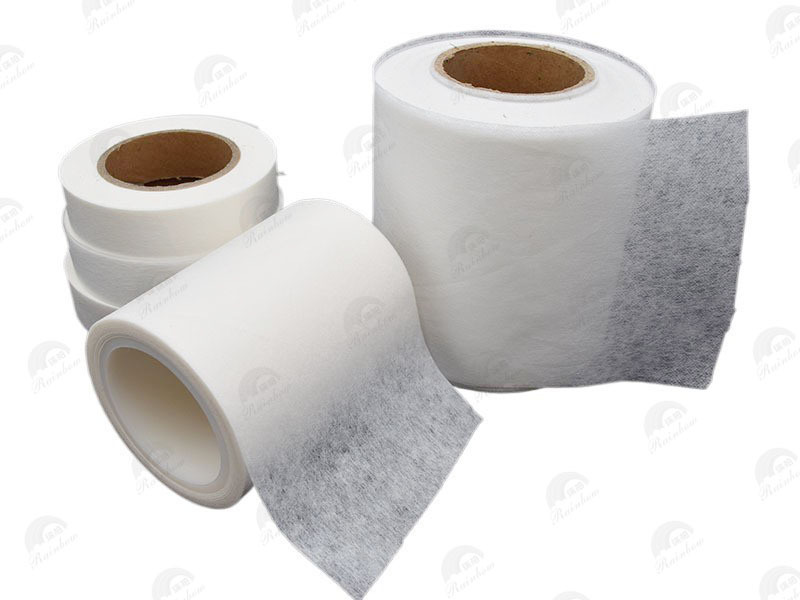
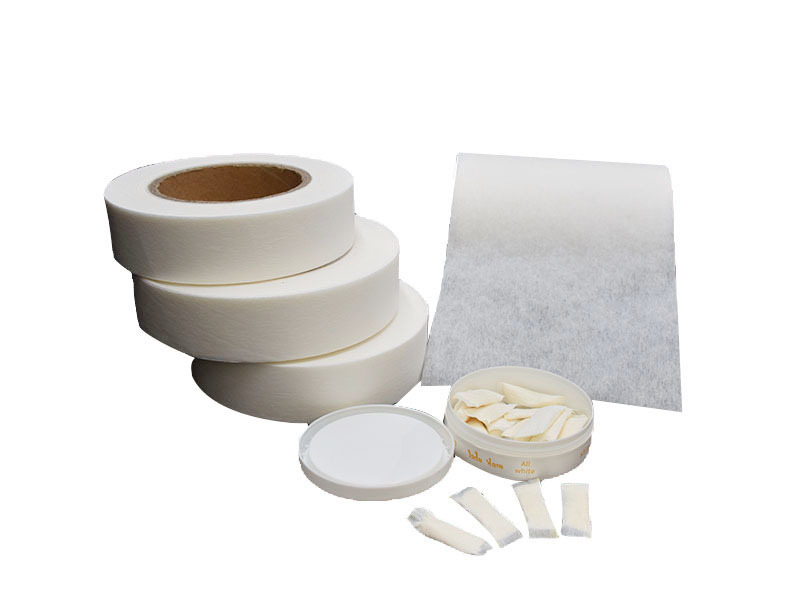
Polyester interlining is primarily used to provide support and shape to garments. It is an ideal choice for interfacing in various types of fabrics due to its lightweight nature and durability. This material is produced by bonding polyester fibers, which results in a stable yet flexible structure. This flexibility allows garments to maintain their intended shape while also offering comfort to the wearer.
One of the primary advantages of polyester interlining is its resistance to wrinkles and shrinkage. In the fast-paced fashion industry, where quick turnaround times are essential, polyester interlining helps maintain garment integrity even after multiple washes. This characteristic is particularly beneficial for ready-to-wear lines, where consumer expectations for quality are high.
In addition to its structural advantages, polyester interlining can also be tailored to meet specific design requirements. It is available in various weights, thicknesses, and finishes, allowing designers to choose the right type for their fabric and garment style. Whether you're working on tailored suits, dresses, or casual wear, polyester interlining can provide the desired level of stiffness or drape.
Moreover, polyester interlining is often preferred for its cost-effectiveness. Compared to other interlining materials, such as silk or cotton, polyester interlining offers a more affordable solution without compromising on quality. This makes it an attractive option for both high-end and mass-market fashion brands looking to optimize production costs while maintaining garment standards.
Another important consideration when utilizing polyester interlining is its compatibility with different fabric types. It can be used with a wide range of materials, including woven and knit fabrics, making it a versatile choice for various garment applications. Furthermore, its compatibility with heat and adhesives ensures that it can be easily integrated into production processes, whether through fusing or sewing methods.
In conclusion, polyester interlining plays a vital role in garment manufacturing, offering benefits such as structure, durability, and cost-effectiveness. By understanding its properties and applications, textile professionals can enhance their garment production strategies, ensuring that their products meet both consumer expectations and industry standards. Embracing polyester interlining can be a game-changer for your business, providing the foundation for high-quality garment construction.
Polyester interlining is primarily used to provide support and shape to garments. It is an ideal choice for interfacing in various types of fabrics due to its lightweight nature and durability. This material is produced by bonding polyester fibers, which results in a stable yet flexible structure. This flexibility allows garments to maintain their intended shape while also offering comfort to the wearer.
One of the primary advantages of polyester interlining is its resistance to wrinkles and shrinkage. In the fast-paced fashion industry, where quick turnaround times are essential, polyester interlining helps maintain garment integrity even after multiple washes. This characteristic is particularly beneficial for ready-to-wear lines, where consumer expectations for quality are high.
In addition to its structural advantages, polyester interlining can also be tailored to meet specific design requirements. It is available in various weights, thicknesses, and finishes, allowing designers to choose the right type for their fabric and garment style. Whether you're working on tailored suits, dresses, or casual wear, polyester interlining can provide the desired level of stiffness or drape.
Moreover, polyester interlining is often preferred for its cost-effectiveness. Compared to other interlining materials, such as silk or cotton, polyester interlining offers a more affordable solution without compromising on quality. This makes it an attractive option for both high-end and mass-market fashion brands looking to optimize production costs while maintaining garment standards.
Another important consideration when utilizing polyester interlining is its compatibility with different fabric types. It can be used with a wide range of materials, including woven and knit fabrics, making it a versatile choice for various garment applications. Furthermore, its compatibility with heat and adhesives ensures that it can be easily integrated into production processes, whether through fusing or sewing methods.
In conclusion, polyester interlining plays a vital role in garment manufacturing, offering benefits such as structure, durability, and cost-effectiveness. By understanding its properties and applications, textile professionals can enhance their garment production strategies, ensuring that their products meet both consumer expectations and industry standards. Embracing polyester interlining can be a game-changer for your business, providing the foundation for high-quality garment construction.
polyester interlining for garment
Latest News


Nantong Rainbow Nonwoven Tech Co.,Ltd.
Telephone:+86-13587673537 +86-15851257231
E-mail:chrislc717@163.com christy@ntrainbow.com
sales1@ntrainbow.com
Address: (No. 88, Sanzong South Road) Group 42, Xichansi Village, Xiting Town, Tongzhou District, Nantong City, Jiangsu Province

Copyright©2024 Nantong Rainbow Technology Co., Ltd. | Powered by www.300.cn
Copyright©2024 Nantong Rainbow Technology Co., Ltd.
Powered by www.300.cn