
The Essential Guide to Nonwoven Fusible Interlining: Enhancing Fabric Performance
Release time:
2025-08-21
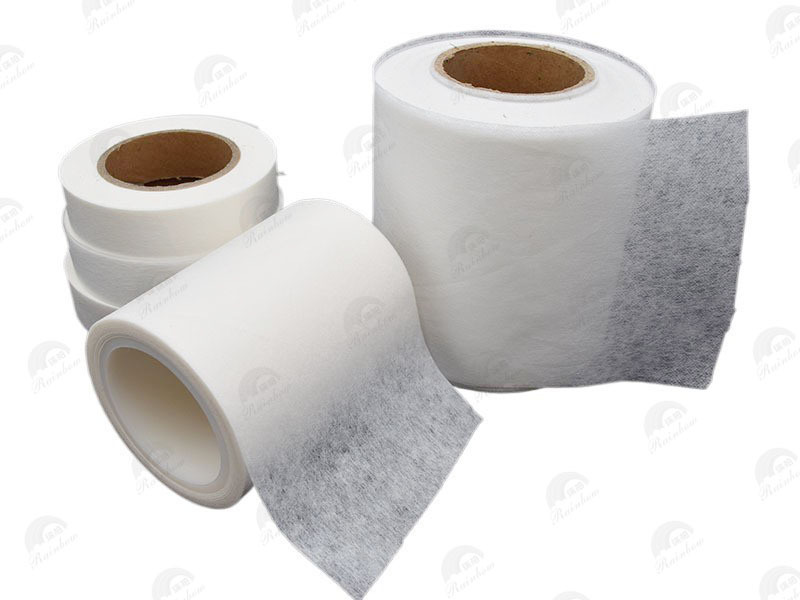
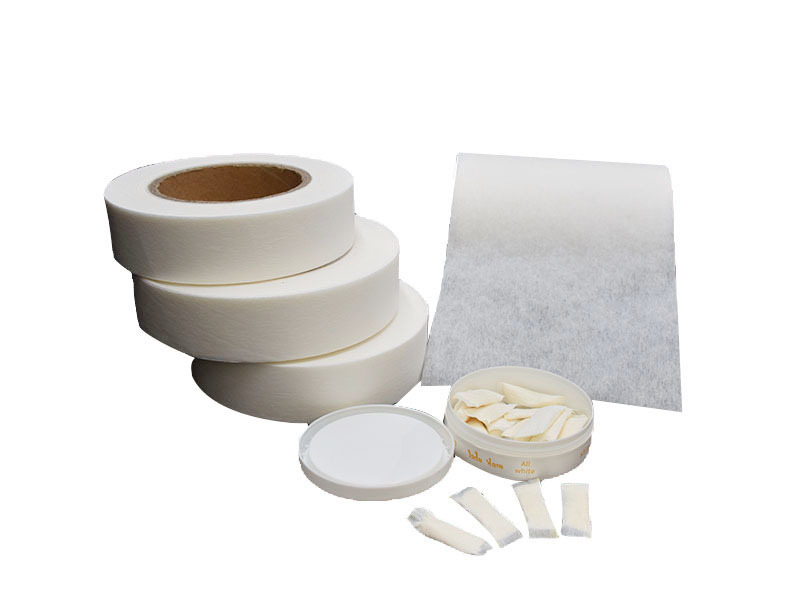
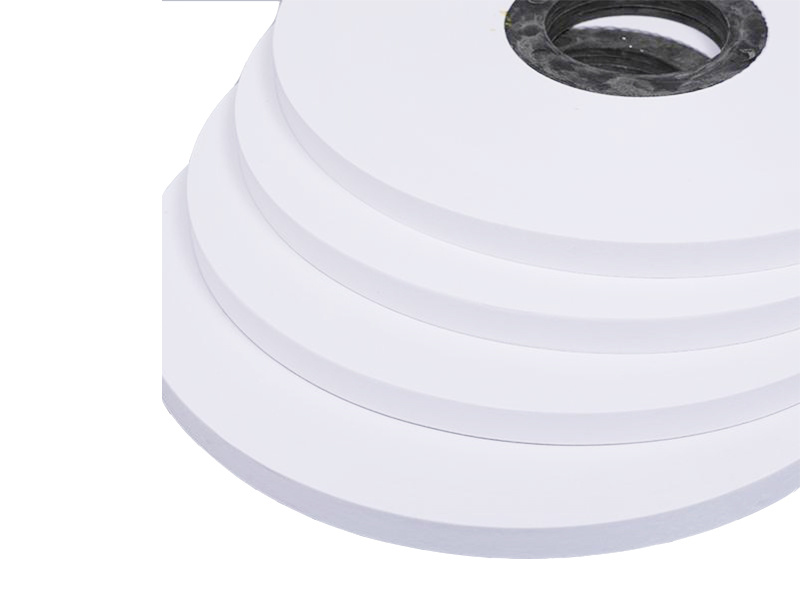
Nonwoven fusible interlining is a critical component in the textile and apparel industry, playing an essential role in enhancing the durability and aesthetic appeal of garments. This versatile material is designed to be fused to the fabric, providing added structure, support, and stability without the bulk often associated with traditional interfacing. Understanding the properties and benefits of nonwoven fusible interlining can significantly improve garment performance and quality.
One of the primary advantages of nonwoven fusible interlining is its lightweight nature. Unlike woven interlinings, which can add unnecessary weight to fabric, nonwoven options maintain a delicate balance between support and comfort. This feature is particularly beneficial for lightweight fabrics used in blouses, dresses, and other apparel where drape and movement are crucial.
Additionally, nonwoven fusible interlining offers excellent adhesion properties, allowing it to bond seamlessly with various fabric types. This strong bond results in garments that retain their shape and structure over time, reducing the risk of sagging or distortion after repeated wear and washing. Professionals in the textile industry appreciate this feature as it enhances the longevity of their garments, ultimately leading to increased customer satisfaction.
Another important aspect of nonwoven fusible interlining is its versatility in applications. This material can be utilized in various garment types, including shirts, jackets, and trousers. It is available in a range of weights and thicknesses, enabling professionals to select the appropriate type for their specific needs. Moreover, nonwoven fusible interlining can be used for both woven and knit fabrics, making it an invaluable resource for garment manufacturers.
In terms of maintenance, nonwoven fusible interlining is generally easy to care for, withstanding washing and ironing processes without losing its efficacy. This durability is paramount for consumers who value low-maintenance clothing options. Additionally, many nonwoven interlinings are designed to be breathable, ensuring comfort for the wearer while maintaining the garment's structural integrity.
When selecting nonwoven fusible interlining, professionals should consider factors such as the type of fabric, the intended application, and the desired drape and support levels. Testing different types on sample fabrics can help determine the best fit for specific projects. By making informed choices about nonwoven fusible interlining, textile professionals can enhance the overall quality and functionality of their garments, leading to greater success in the competitive apparel market.
In conclusion, nonwoven fusible interlining serves as an indispensable tool in the textile industry, providing support, structure, and longevity to various garments. By understanding its properties and applications, professionals can leverage this material to improve their products and meet consumer demands effectively.
One of the primary advantages of nonwoven fusible interlining is its lightweight nature. Unlike woven interlinings, which can add unnecessary weight to fabric, nonwoven options maintain a delicate balance between support and comfort. This feature is particularly beneficial for lightweight fabrics used in blouses, dresses, and other apparel where drape and movement are crucial.
Additionally, nonwoven fusible interlining offers excellent adhesion properties, allowing it to bond seamlessly with various fabric types. This strong bond results in garments that retain their shape and structure over time, reducing the risk of sagging or distortion after repeated wear and washing. Professionals in the textile industry appreciate this feature as it enhances the longevity of their garments, ultimately leading to increased customer satisfaction.
Another important aspect of nonwoven fusible interlining is its versatility in applications. This material can be utilized in various garment types, including shirts, jackets, and trousers. It is available in a range of weights and thicknesses, enabling professionals to select the appropriate type for their specific needs. Moreover, nonwoven fusible interlining can be used for both woven and knit fabrics, making it an invaluable resource for garment manufacturers.
In terms of maintenance, nonwoven fusible interlining is generally easy to care for, withstanding washing and ironing processes without losing its efficacy. This durability is paramount for consumers who value low-maintenance clothing options. Additionally, many nonwoven interlinings are designed to be breathable, ensuring comfort for the wearer while maintaining the garment's structural integrity.
When selecting nonwoven fusible interlining, professionals should consider factors such as the type of fabric, the intended application, and the desired drape and support levels. Testing different types on sample fabrics can help determine the best fit for specific projects. By making informed choices about nonwoven fusible interlining, textile professionals can enhance the overall quality and functionality of their garments, leading to greater success in the competitive apparel market.
In conclusion, nonwoven fusible interlining serves as an indispensable tool in the textile industry, providing support, structure, and longevity to various garments. By understanding its properties and applications, professionals can leverage this material to improve their products and meet consumer demands effectively.
Nonwoven fusible interlining
Latest News


Nantong Rainbow Nonwoven Tech Co.,Ltd.
Telephone:+86-13587673537 +86-15851257231
E-mail:chrislc717@163.com christy@ntrainbow.com
sales1@ntrainbow.com
Address: (No. 88, Sanzong South Road) Group 42, Xichansi Village, Xiting Town, Tongzhou District, Nantong City, Jiangsu Province

Copyright©2024 Nantong Rainbow Technology Co., Ltd. | Powered by www.300.cn
Copyright©2024 Nantong Rainbow Technology Co., Ltd.
Powered by www.300.cn