
Exploring the Benefits of Woven Fusible Interlining in Fashion Design
Release time:
2025-08-20
Exploring the Benefits of Woven Fusible Interlining in Fashion Design
In the realm of fashion design, understanding the nuances of fabric and material choices is crucial for creating high-quality garments. One such material that has gained prominence in recent years is woven fusible interlining. This article delves into the multifaceted benefits of woven fusible interlining, detailing its applications, advantages, and the profound impact it has on garment construction.
Table of Contents
- What is Woven Fusible Interlining?
- Key Benefits of Using Woven Fusible Interlining
- Applications of Woven Fusible Interlining in Fashion Design
- How to Choose the Right Interlining for Your Project
- Techniques for Applying Woven Fusible Interlining
- Common Issues and How to Solve Them
- Sustainability Considerations in Fashion Design
- Frequently Asked Questions
What is Woven Fusible Interlining?
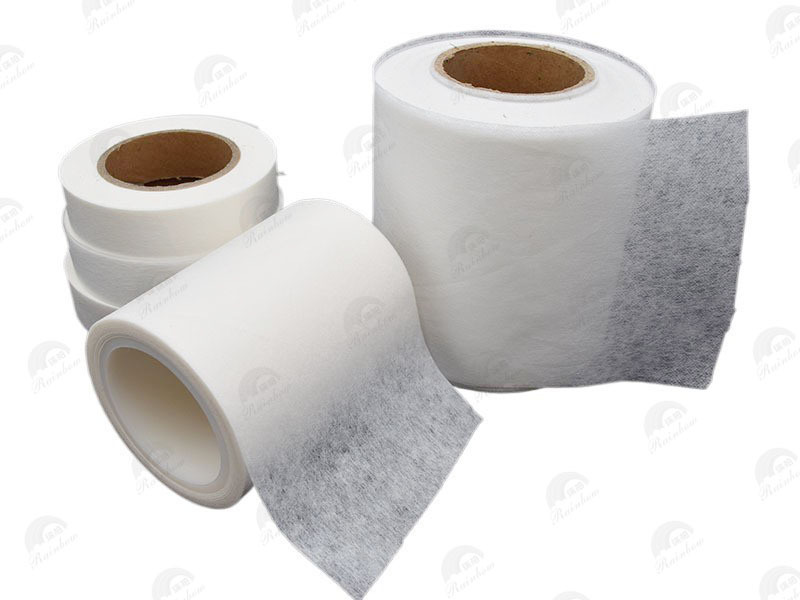
Woven fusible interlining is a type of fabric used in garment construction to provide additional support and structure. Typically made from a blend of cotton and synthetic fibers, this material is coated on one side with a heat-activated adhesive. When heat is applied, the adhesive bonds the interlining to the main fabric, creating a stable layer that enhances the overall quality of the garment. This interlining is particularly favored in formal wear, tailored garments, and sportswear where structure and durability are paramount.
Key Benefits of Using Woven Fusible Interlining
Enhanced Stability and Structure
One of the primary advantages of woven fusible interlining is the enhanced stability it provides to garments. By adding a layer of interlining, designers can prevent the fabric from stretching or losing its shape over time. This is particularly important for items like collars, cuffs, and waistbands, where maintaining structure is crucial for a polished look. The stability offered by woven fusible interlining ensures that garments retain their original form, even after repeated wear and washing.
Improved Garment Fitting
Proper fit is fundamental in fashion design, and woven fusible interlining plays a significant role in achieving this. By reinforcing specific areas of a garment, interlining allows for more precise tailoring. It helps to contour the fabric to the body's shape, creating a flattering silhouette. Additionally, this material can reduce the bulkiness often associated with traditional interlining methods, ensuring a sleek and streamlined appearance.
Versatility in Design
Woven fusible interlining is incredibly versatile, making it suitable for a wide range of garments and design styles. From structured jackets to soft blouses, this interlining can be adapted to various fabrics and styles. Designers often use it to create contrasting textures, playing with the visual and tactile elements of their designs. Furthermore, because it comes in various weights and finishes, it can be tailored to meet the specific needs of each project.
Applications of Woven Fusible Interlining in Fashion Design
The applications of woven fusible interlining extend beyond simple reinforcement. Fashion designers utilize this material in various ways to enhance their creations:
- Collars and Cuffs: Interlining is often used in collars and cuffs to provide structure and prevent distortion.
- Lapels: Tailored jackets benefit from interlining in their lapels, which helps maintain a clean and professional look.
- Pockets: Reinforcing pockets with interlining ensures they maintain their shape and functionality.
- Waistbands: Using interlining in waistbands prevents stretching and sagging, enhancing comfort and fit.
- Hemlines: Hemming with interlining can provide a polished finish, especially in formal attire.
How to Choose the Right Interlining for Your Project
Selecting the appropriate woven fusible interlining is vital for achieving desired results. Here are key factors to consider when choosing interlining:
- Fabric Compatibility: Ensure that the interlining complements the main fabric in terms of weight and texture.
- Weight: Heavier fabrics may require a sturdier interlining, while lightweight fabrics may benefit from a lighter option.
- Adhesive Type: Consider the adhesive properties and how they interact with different fabrics to ensure a strong bond.
- Purpose: Determine the specific areas of the garment where support is needed and select interlining accordingly.
Techniques for Applying Woven Fusible Interlining
Applying woven fusible interlining can be straightforward if done correctly. Follow these steps for optimal results:
- Preparation: Pre-wash the main fabric and interlining to prevent shrinkage.
- Cutting: Cut the interlining to match the desired pattern pieces, allowing for seam allowances.
- Positioning: Place the interlining adhesive side down onto the fabric, ensuring proper alignment.
- Heat Application: Use a press cloth and a hot iron to apply heat evenly. Hold the iron in place for a few seconds to activate the adhesive.
- Cooling: Allow the fabric to cool completely before handling to secure the bond.
Common Issues and How to Solve Them
While working with woven fusible interlining can yield excellent results, some common issues may arise:
- Peeling: If the interlining begins to peel away, it may be due to insufficient heat application. Reapply heat as needed.
- Bubbling: Bubbles can occur if moisture is trapped under the interlining. Ensure the fabric is dry before application.
- Color Bleeding: Test for colorfastness before applying interlining to avoid dye transfer.
Sustainability Considerations in Fashion Design
As the fashion industry increasingly focuses on sustainability, the choice of materials plays a significant role. Woven fusible interlining can be sourced from eco-friendly materials, contributing to a more sustainable production process. Additionally, using high-quality interlining can extend the life of garments, reducing waste and promoting a circular economy. Designers are encouraged to seek out interlinings that align with their sustainability values, opting for those made from organic or recycled fibers.
Frequently Asked Questions
1. Can woven fusible interlining be used with any fabric?
While woven fusible interlining is compatible with a variety of fabrics, it is essential to match the weight and texture to ensure optimal results.
2. How do I know which weight of interlining to choose?
The choice of interlining weight depends on the main fabric and the purpose of the garment. Lighter fabrics require lighter interlining, while heavier fabrics may need sturdier options.
3. Is it washable?
Yes, woven fusible interlining is generally washable, but it is advisable to pre-wash both the interlining and fabric before application to prevent shrinkage.
4. What should I do if the interlining doesn't adhere properly?
If the interlining does not adhere well, reapply heat using an appropriate amount of pressure, and ensure the fabric is dry and clean before application.
5. Can I use woven fusible interlining for casual wear?
Yes, woven fusible interlining can enhance the structure and fit of casual wear, making it a versatile choice for various garment types.
Conclusion
Woven fusible interlining represents a crucial component in the fashion design process. Its ability to enhance stability, improve fit, and offer versatility makes it an invaluable tool for designers aiming to create high-quality garments. Understanding its applications and the techniques for proper use will empower fashion designers to elevate their creations. As the industry continues to evolve, incorporating sustainable practices and materials will further enhance the benefits of woven fusible interlining, ensuring that fashion remains not only stylish but also responsible. Embracing this material can lead to a new era of refined, durable, and beautifully crafted garments that meet the demands of today’s discerning consumers.
woven fusible interlining
Latest News


Nantong Rainbow Nonwoven Tech Co.,Ltd.
Telephone:+86-13587673537 +86-15851257231
E-mail:chrislc717@163.com christy@ntrainbow.com
sales1@ntrainbow.com
Address: (No. 88, Sanzong South Road) Group 42, Xichansi Village, Xiting Town, Tongzhou District, Nantong City, Jiangsu Province

Copyright©2024 Nantong Rainbow Technology Co., Ltd. | Powered by www.300.cn
Copyright©2024 Nantong Rainbow Technology Co., Ltd.
Powered by www.300.cn