
Crafting with Confidence: Mastering the Use of Fusible Nonwoven Interlining for Seamless Projects
Release time:
2025-08-22
Crafting with Confidence: Mastering the Use of Fusible Nonwoven Interlining for Seamless Projects
Table of Contents
- What is Fusible Nonwoven Interlining?
- Benefits of Using Fusible Nonwoven Interlining
- Types of Fusible Nonwoven Interlining
- How to Choose the Right Fusible Nonwoven Interlining
- Step-by-Step Guide to Using Fusible Nonwoven Interlining
- Common Mistakes When Using Fusible Nonwoven Interlining
- Creative Ways to Use Fusible Nonwoven Interlining
- Frequently Asked Questions
- Conclusion
What is Fusible Nonwoven Interlining?
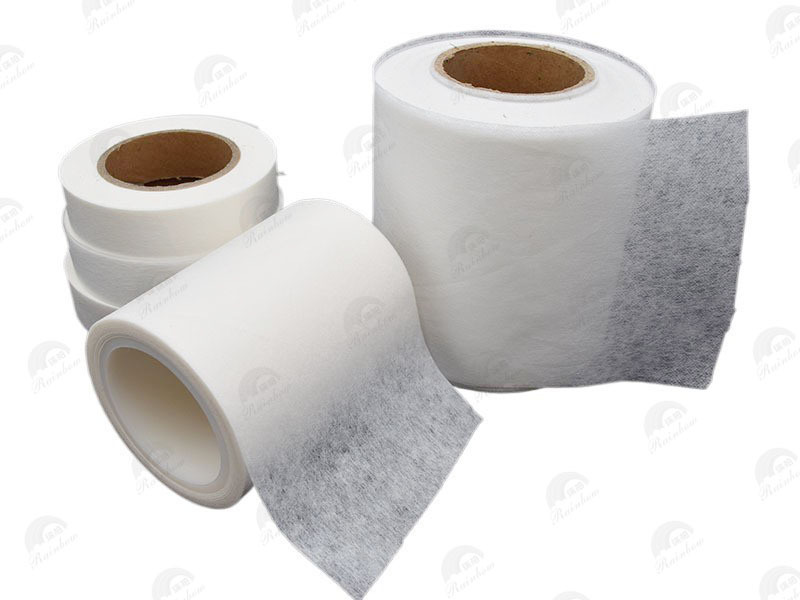
Fusible nonwoven interlining is a type of fabric used to reinforce and stabilize garments and other textile projects. Unlike traditional woven interfacing, fusible nonwoven interlining is made from synthetic fibers that are bonded together without weaving. This innovative construction results in a lightweight, flexible material that adheres to the fabric when heat is applied, providing support without adding bulk.
The interlining features a fusible coating, usually made from adhesive, which activates when pressed with an iron. This allows it to bond to the main fabric securely, creating a stable base for sewing, which is especially beneficial for delicate or stretchy materials.
Benefits of Using Fusible Nonwoven Interlining
Utilizing fusible nonwoven interlining in crafting brings several advantages:
1. Enhanced Stability
Fusible nonwoven interlining provides excellent support for fabrics that may otherwise stretch or distort during the sewing process. It helps maintain the shape of collars, cuffs, and waistbands, leading to professional-looking results.
2. Improved Structure
Adding fusible interlining to your projects gives them a structured appearance, improving their overall quality. It is particularly effective for tailored garments, helping to achieve crisp edges and clean lines.
3. Versatility
Fusible nonwoven interlining is available in various weights and textures, making it suitable for a wide range of sewing applications, from light blouses to heavy outerwear. Crafters can select the appropriate type based on the specific needs of their projects.
4. Ease of Use
With its fusible properties, applying nonwoven interlining is straightforward. The process typically requires only an iron, making it accessible for both beginners and experienced seamstresses.
5. Time-Saving
Using fusible nonwoven interlining can significantly reduce the time spent on finishing seams, as it eliminates the need for additional sewing to secure interfacing in place.
Types of Fusible Nonwoven Interlining
There are several types of fusible nonwoven interlining available, each designed for specific applications:
1. Lightweight Fusible Nonwoven Interlining
Ideal for delicate fabrics, lightweight fusible nonwoven interlining offers minimal bulk while providing the necessary support. This type is perfect for blouses, linings, and other light garments.
2. Midweight Fusible Nonwoven Interlining
Midweight options are versatile and suitable for a range of fabrics, from cotton to blends. They work well for structured garments like shirts and dresses.
3. Heavyweight Fusible Nonwoven Interlining
Heavyweight fusible nonwoven interlining is designed for durable fabrics that require extra support. This type is ideal for tailored jackets, coats, and other outerwear.
4. Specialty Fusible Nonwoven Interlining
Some fusible nonwoven interlinings come with unique features, such as water-resistance or extra stretch. These interlinings are tailored for specific applications, catering to niche crafting needs.
How to Choose the Right Fusible Nonwoven Interlining
Selecting the appropriate fusible nonwoven interlining for your project can seem daunting, but a few key factors can simplify the decision-making process:
1. Fabric Compatibility
Consider the type of fabric you are working with. Lighter fabrics benefit from lightweight interlining, while heavier fabrics may require a more substantial option.
2. Project Requirements
Think about the final look you want to achieve. For structured designs, opt for midweight or heavyweight interlining. For soft, flowing garments, lightweight options are best.
3. Washability
Check if the interlining is washable and if it can withstand the care instructions you intend to follow for your finished item.
4. Adhesive Quality
Different fusible interlinings have varying adhesive strengths. Ensure you select one that provides adequate bonding without compromising the fabric's integrity.
Step-by-Step Guide to Using Fusible Nonwoven Interlining
Following a systematic approach can help ensure successful application of fusible nonwoven interlining:
Step 1: Prepare Your Fabric
Start by pre-washing your fabric to eliminate any shrinkage after the project is complete. Press the fabric to remove wrinkles.
Step 2: Cut the Interlining
Cut the fusible nonwoven interlining to match the piece of fabric it will reinforce. Ensure you follow the grainline for optimal results.
Step 3: Position the Interlining
Place the fusible side of the interlining against the wrong side of the fabric. Ensure it is properly aligned.
Step 4: Fuse the Interlining
Using a hot iron, press down firmly on the interlining for the recommended time indicated on the manufacturer's instructions. Avoid moving the iron back and forth to prevent shifting.
Step 5: Allow to Cool
Let the fused fabric cool completely. This allows the adhesive to set properly.
Step 6: Cut and Sew
Trim any excess interlining if necessary, then proceed with your sewing project as planned.
Common Mistakes When Using Fusible Nonwoven Interlining
Being aware of common pitfalls can help you avoid frustrating errors:
1. Failing to Pre-Wash
Not pre-washing fabric may result in shrinkage after construction, leading to an improper fit.
2. Incorrect Temperature Settings
Using too high or too low a temperature can compromise the bond. Always test a small sample first.
3. Not Allowing to Cool
Removing the iron too soon can cause the interlining to lift away from the fabric.
4. Misalignment
Ensure proper alignment of the interlining and fabric; misalignment can lead to visible seams and an unprofessional finish.
Creative Ways to Use Fusible Nonwoven Interlining
Fusible nonwoven interlining isn't just for reinforcing garments. Here are some innovative uses:
1. Craft Projects
Incorporate fusible nonwoven interlining into handbags, quilts, or home décor projects for added stability.
2. Appliqué Designs
Use fusible nonwoven interlining to create intricate appliqué designs. It helps maintain sharp edges and prevents fraying.
3. Costume Construction
For theatrical costumes, fusible nonwoven interlining can help add structure and durability to elaborate designs.
4. Accessories Making
Create durable accessories like hats or belts that require a sturdy base without added weight.
Frequently Asked Questions
1. Can I wash projects made with fusible nonwoven interlining?
Yes, most fusible nonwoven interlinings are washable. Always check the manufacturer's instructions for care.
2. Will fusible nonwoven interlining make my fabric stiff?
Depending on the weight, fusible nonwoven interlining can provide stability without excessive stiffness. Choose the appropriate weight for your project.
3. Can I use fusible nonwoven interlining on knit fabrics?
Yes, fusible nonwoven interlining is excellent for knit fabrics, providing support without restricting stretch.
4. Is there a difference between fusible and non-fusible interlining?
Yes, fusible interlining has an adhesive side that bonds to the fabric when heat is applied, while non-fusible interlining requires sewing to secure it in place.
5. How do I remove fusible nonwoven interlining if I make a mistake?
Carefully cut away the interlining using sharp scissors and replace it with a new piece, ensuring proper fusing again.
Conclusion
Mastering the use of fusible nonwoven interlining can elevate your crafting projects and help you achieve professional finishes. By understanding the types, benefits, and techniques of application, you can craft with confidence. With practice and experimentation, you’ll discover the transformative power of this versatile material in your sewing endeavors. Embrace the possibilities, and let fusible nonwoven interlining enhance your creations!
fusible nonwoven interlining
Latest News


Nantong Rainbow Nonwoven Tech Co.,Ltd.
Telephone:+86-13587673537 +86-15851257231
E-mail:chrislc717@163.com christy@ntrainbow.com
sales1@ntrainbow.com
Address: (No. 88, Sanzong South Road) Group 42, Xichansi Village, Xiting Town, Tongzhou District, Nantong City, Jiangsu Province

Copyright©2024 Nantong Rainbow Technology Co., Ltd. | Powered by www.300.cn
Copyright©2024 Nantong Rainbow Technology Co., Ltd.
Powered by www.300.cn