
The Essential Guide to Polyester Interlining for Garments: Enhancing Quality and Durability
Release time:
2025-08-19
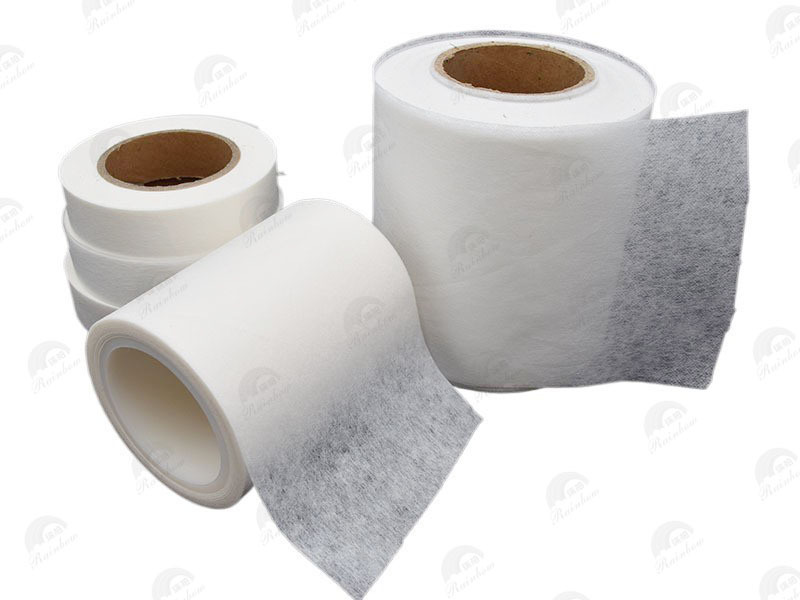
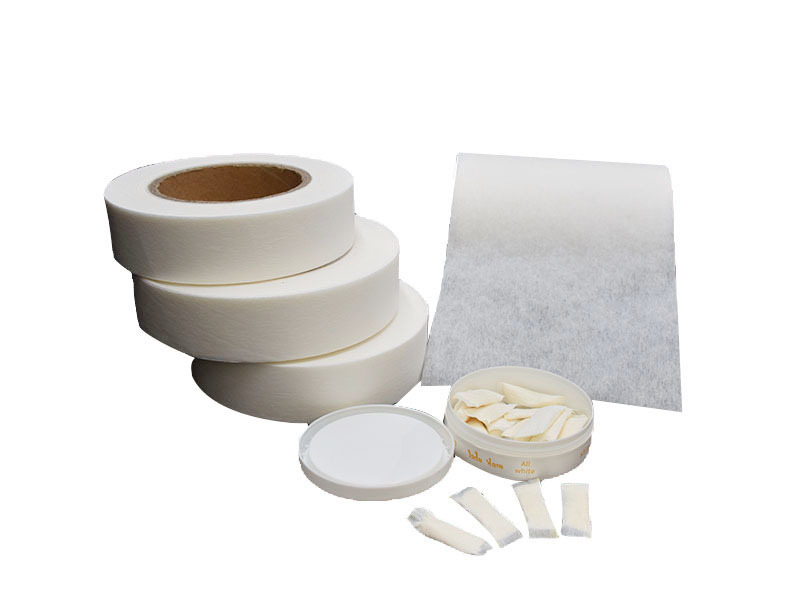
Polyester interlining is a type of fabric used in garment construction, acting as a reinforcing layer that provides structure and support to various clothing items. This innovative material is widely adopted in the textile industry due to its numerous advantages, making it an essential component in creating high-quality garments.
One of the primary benefits of using polyester interlining is its excellent durability. Polyester fibers are known for their resilience, allowing garments to maintain their shape and structure even after repeated wear and washing. This quality is particularly important for tailored clothing, where the silhouette and fit are crucial to the overall appearance. Additionally, polyester interlining resists wrinkles and creasing, ensuring that garments look crisp and professional throughout the day.
Another significant advantage of polyester interlining is its versatility. This type of interlining can be used in a wide range of applications, from shirts and blouses to jackets and coats. Its lightweight nature makes it suitable for both casual and formal wear, providing the necessary support without adding unnecessary bulk. This versatility is particularly beneficial for designers and manufacturers who require a reliable interlining solution that can adapt to various styles and fabric types.
Furthermore, polyester interlining offers excellent insulation properties. It can help retain body heat in colder conditions, making it an ideal choice for outerwear. This functionality not only enhances the comfort of garments but also contributes to their overall performance, making them suitable for diverse weather conditions.
In addition to its practical benefits, polyester interlining is also an economical choice. Its affordability combined with its longevity makes it a cost-effective solution for manufacturers aiming to produce high-quality garments without exceeding budget constraints. This is particularly advantageous in a competitive market where cost efficiency is critical.
When selecting polyester interlining for garment production, it is essential to consider the weight and thickness that best suits the intended use. Lighter interlinings are preferred for delicate fabrics, while heavier options provide additional structure for more robust materials. Additionally, the adhesive used in fusible varieties should be compatible with the outer fabric to ensure a secure and lasting bond.
In summary, polyester interlining plays a crucial role in garment construction, providing durability, versatility, and insulation. Its cost-effectiveness further enhances its appeal to professionals in the textile industry. By understanding the benefits and applications of polyester interlining, manufacturers can create garments that not only meet but exceed customer expectations in terms of quality and performance.
One of the primary benefits of using polyester interlining is its excellent durability. Polyester fibers are known for their resilience, allowing garments to maintain their shape and structure even after repeated wear and washing. This quality is particularly important for tailored clothing, where the silhouette and fit are crucial to the overall appearance. Additionally, polyester interlining resists wrinkles and creasing, ensuring that garments look crisp and professional throughout the day.
Another significant advantage of polyester interlining is its versatility. This type of interlining can be used in a wide range of applications, from shirts and blouses to jackets and coats. Its lightweight nature makes it suitable for both casual and formal wear, providing the necessary support without adding unnecessary bulk. This versatility is particularly beneficial for designers and manufacturers who require a reliable interlining solution that can adapt to various styles and fabric types.
Furthermore, polyester interlining offers excellent insulation properties. It can help retain body heat in colder conditions, making it an ideal choice for outerwear. This functionality not only enhances the comfort of garments but also contributes to their overall performance, making them suitable for diverse weather conditions.
In addition to its practical benefits, polyester interlining is also an economical choice. Its affordability combined with its longevity makes it a cost-effective solution for manufacturers aiming to produce high-quality garments without exceeding budget constraints. This is particularly advantageous in a competitive market where cost efficiency is critical.
When selecting polyester interlining for garment production, it is essential to consider the weight and thickness that best suits the intended use. Lighter interlinings are preferred for delicate fabrics, while heavier options provide additional structure for more robust materials. Additionally, the adhesive used in fusible varieties should be compatible with the outer fabric to ensure a secure and lasting bond.
In summary, polyester interlining plays a crucial role in garment construction, providing durability, versatility, and insulation. Its cost-effectiveness further enhances its appeal to professionals in the textile industry. By understanding the benefits and applications of polyester interlining, manufacturers can create garments that not only meet but exceed customer expectations in terms of quality and performance.
polyester interlining for garment
Latest News


Nantong Rainbow Nonwoven Tech Co.,Ltd.
Telephone:+86-13587673537 +86-15851257231
E-mail:chrislc717@163.com christy@ntrainbow.com
sales1@ntrainbow.com
Address: (No. 88, Sanzong South Road) Group 42, Xichansi Village, Xiting Town, Tongzhou District, Nantong City, Jiangsu Province

Copyright©2024 Nantong Rainbow Technology Co., Ltd. | Powered by www.300.cn
Copyright©2024 Nantong Rainbow Technology Co., Ltd.
Powered by www.300.cn