
Exploring Nonwoven Fusible Interlining: A Key Component in Textile Applications
Release time:
2025-08-13
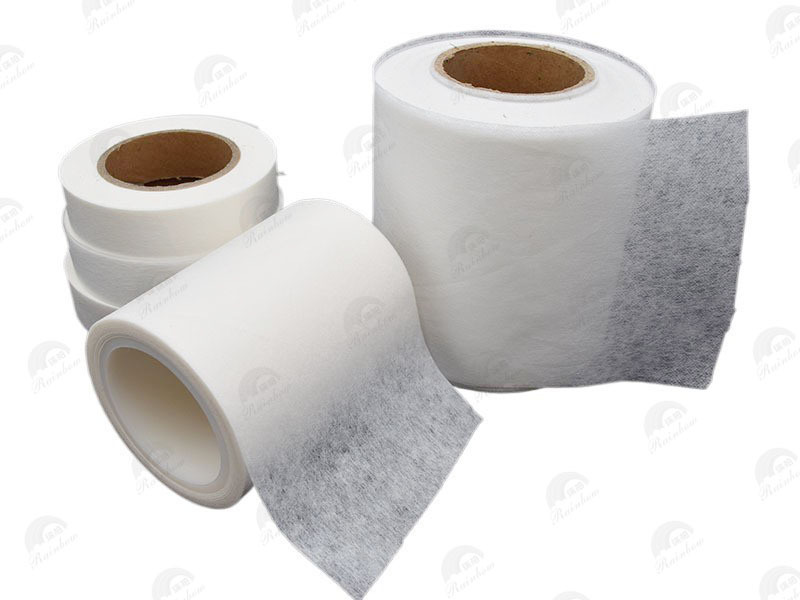
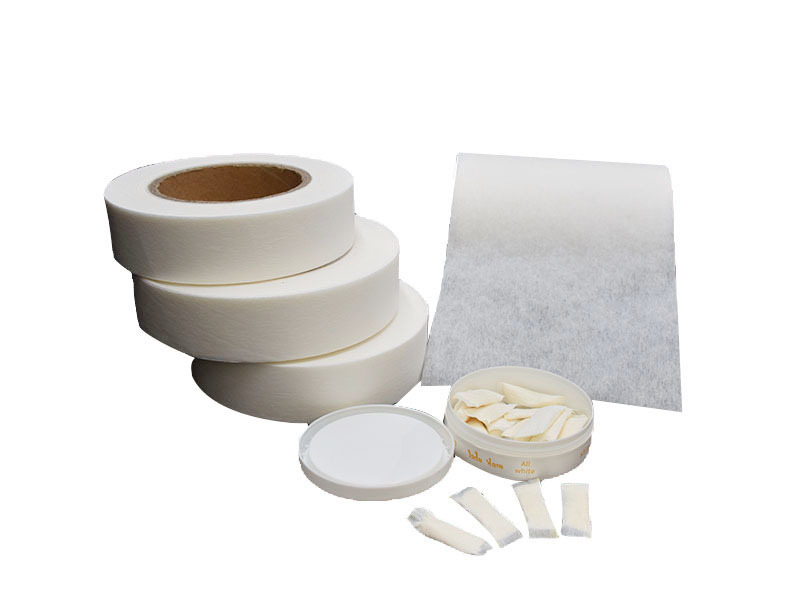
Nonwoven fusible interlining is an innovative textile material that plays a crucial role in the garment manufacturing process. It is primarily used to provide structure, support, and shape to various fabrics, making it an essential component for anyone working in the textile industry, particularly in garment production. Understanding its composition, benefits, and application methods can significantly enhance the quality of finished products.
The primary characteristic of nonwoven fusible interlining is its unique construction. Unlike traditional woven interlinings, nonwoven options are created by bonding fibers together through mechanical, thermal, or chemical processes. This method results in a fabric that is lightweight, flexible, and often more cost-effective than its woven counterparts. Furthermore, nonwoven fusible interlining typically features a heat-activated adhesive on one side, allowing it to bond with the outer fabric when subjected to heat and pressure.
One of the key advantages of nonwoven fusible interlining is its ability to provide enhanced stability and support to garments. This can be particularly beneficial for structured pieces such as collars, cuffs, and waistbands, where maintaining shape and preventing sagging is crucial. Moreover, because the adhesive is activated by heat, the application process is relatively straightforward, making it accessible for a wide range of manufacturers.
The versatility of nonwoven fusible interlining allows it to be used across various fabrics, including cotton, polyester, and blends. This compatibility ensures that it can be integrated seamlessly into different garment types, from casual wear to more formal attire. Additionally, the lightweight nature of nonwoven options means that they add minimal bulk to the final product, preserving the intended drape and fit.
In terms of application, the use of nonwoven fusible interlining typically involves cutting the interlining to the desired shape and size, then placing it adhesive side down onto the fabric. A heat press is then used to bond the two layers together, ensuring a strong and lasting connection. It's worth noting that temperature settings and pressing times can vary depending on the specific materials being used, so it's important for manufacturers to experiment and find the optimal conditions for their specific applications.
Beyond structural support, nonwoven fusible interlining can also contribute to improved garment performance. For example, certain types are designed to enhance breathability, moisture-wicking properties, or even add a degree of stretch. This means that manufacturers can tailor their products to meet specific customer needs, improving overall satisfaction.
In conclusion, nonwoven fusible interlining is a vital material in the textile industry, providing essential support and stability while remaining lightweight and versatile. By mastering its application and understanding its benefits, manufacturers can elevate their garment quality and enhance the overall consumer experience. As the industry continues to evolve, staying informed about such innovations will be key to maintaining a competitive edge.
The primary characteristic of nonwoven fusible interlining is its unique construction. Unlike traditional woven interlinings, nonwoven options are created by bonding fibers together through mechanical, thermal, or chemical processes. This method results in a fabric that is lightweight, flexible, and often more cost-effective than its woven counterparts. Furthermore, nonwoven fusible interlining typically features a heat-activated adhesive on one side, allowing it to bond with the outer fabric when subjected to heat and pressure.
One of the key advantages of nonwoven fusible interlining is its ability to provide enhanced stability and support to garments. This can be particularly beneficial for structured pieces such as collars, cuffs, and waistbands, where maintaining shape and preventing sagging is crucial. Moreover, because the adhesive is activated by heat, the application process is relatively straightforward, making it accessible for a wide range of manufacturers.
The versatility of nonwoven fusible interlining allows it to be used across various fabrics, including cotton, polyester, and blends. This compatibility ensures that it can be integrated seamlessly into different garment types, from casual wear to more formal attire. Additionally, the lightweight nature of nonwoven options means that they add minimal bulk to the final product, preserving the intended drape and fit.
In terms of application, the use of nonwoven fusible interlining typically involves cutting the interlining to the desired shape and size, then placing it adhesive side down onto the fabric. A heat press is then used to bond the two layers together, ensuring a strong and lasting connection. It's worth noting that temperature settings and pressing times can vary depending on the specific materials being used, so it's important for manufacturers to experiment and find the optimal conditions for their specific applications.
Beyond structural support, nonwoven fusible interlining can also contribute to improved garment performance. For example, certain types are designed to enhance breathability, moisture-wicking properties, or even add a degree of stretch. This means that manufacturers can tailor their products to meet specific customer needs, improving overall satisfaction.
In conclusion, nonwoven fusible interlining is a vital material in the textile industry, providing essential support and stability while remaining lightweight and versatile. By mastering its application and understanding its benefits, manufacturers can elevate their garment quality and enhance the overall consumer experience. As the industry continues to evolve, staying informed about such innovations will be key to maintaining a competitive edge.
Nonwoven fusible interlining
Latest News


Nantong Rainbow Nonwoven Tech Co.,Ltd.
Telephone:+86-13587673537 +86-15851257231
E-mail:chrislc717@163.com christy@ntrainbow.com
sales1@ntrainbow.com
Address: (No. 88, Sanzong South Road) Group 42, Xichansi Village, Xiting Town, Tongzhou District, Nantong City, Jiangsu Province

Copyright©2024 Nantong Rainbow Technology Co., Ltd. | Powered by www.300.cn
Copyright©2024 Nantong Rainbow Technology Co., Ltd.
Powered by www.300.cn