
Fusible Nonwoven Interlining: An In-Depth Comparison of Different Types for Optimal Results
Release time:
2025-08-14
Fusible Nonwoven Interlining: Comparing Different Types for Optimal Results
Table of Contents
- 1. Introduction to Fusible Nonwoven Interlining
- 2. What is Fusible Nonwoven Interlining?
- 3. Types of Fusible Nonwoven Interlining
- 3.1 Lightweight Fusible Nonwoven Interlining
- 3.2 Medium-weight Fusible Nonwoven Interlining
- 3.3 Heavyweight Fusible Nonwoven Interlining
- 3.4 Specialty Fusible Nonwoven Interlining
- 4. Benefits of Using Fusible Nonwoven Interlining
- 5. How to Choose the Right Fusible Nonwoven Interlining
- 6. Application Techniques for Fusible Nonwoven Interlining
- 7. Caring for Fusible Nonwoven Interlining
- 8. Frequently Asked Questions
- 9. Conclusion
1. Introduction to Fusible Nonwoven Interlining
Fusible nonwoven interlining plays a vital role in garment construction, providing support and stability to fabrics. It is widely used in the textile industry to enhance the overall quality of finished products. In this article, we will explore the different types of fusible nonwoven interlining and provide insights on how to select the optimal one for your sewing needs.
2. What is Fusible Nonwoven Interlining?
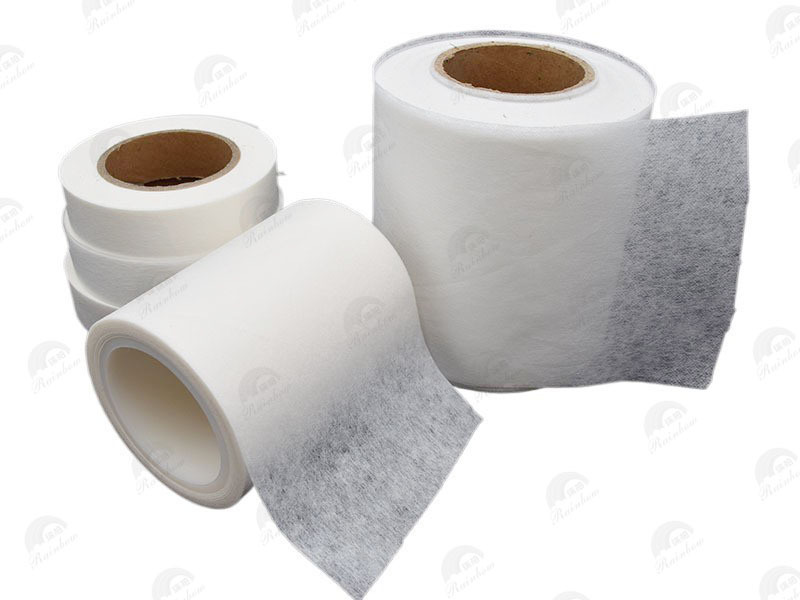
Fusible nonwoven interlining is a type of fabric that is bonded with adhesive on one side. The adhesive allows it to be fused to the main fabric when heat is applied, providing additional support. This interlining is typically made from synthetic fibers, which contribute to its durability and versatility. By understanding its properties, you can make informed decisions about its use in various sewing projects.
3. Types of Fusible Nonwoven Interlining
There are several types of fusible nonwoven interlining, each designed for specific applications. Understanding these types will help in selecting the right one for your fabric and project.
3.1 Lightweight Fusible Nonwoven Interlining
Lightweight fusible nonwoven interlining is perfect for delicate fabrics such as silk and chiffon. It adds minimal weight while providing necessary support without compromising the drape of the fabric. This type is commonly used in blouses, dresses, and linings.
3.2 Medium-weight Fusible Nonwoven Interlining
Medium-weight fusible nonwoven interlining strikes a balance between support and softness. It is ideal for a variety of fabrics, including cotton and polyester blends. This type is often used in tailored garments like shirts and jackets, offering structure without excessive stiffness.
3.3 Heavyweight Fusible Nonwoven Interlining
Heavyweight fusible nonwoven interlining is designed for thicker fabrics such as wool and denim. It provides significant support and is commonly used in structured garments like coats and jackets. This type helps maintain the shape and integrity of heavier materials.
3.4 Specialty Fusible Nonwoven Interlining
Specialty fusible nonwoven interlining includes options designed for specific purposes, such as stretch, waterproofing, or extra breathability. These interlinings cater to specialized needs, making them essential for technical garments, activewear, and unique design projects.
4. Benefits of Using Fusible Nonwoven Interlining
Utilizing fusible nonwoven interlining offers several advantages:
- **Enhanced Structure**: Provides additional support to garments, ensuring they maintain their shape over time.
- **Improved Durability**: Strengthens the fabric, making it more resistant to wear and tear.
- **Better Finish**: Creates a polished appearance by ensuring seams and edges lay flat and neat.
- **Versatility**: Suitable for various fabrics and garment types, making it a staple in sewing projects.
5. How to Choose the Right Fusible Nonwoven Interlining
When selecting fusible nonwoven interlining, consider the following factors:
- **Fabric Type**: Match the interlining weight to the fabric you are using. Lightweight interlinings work best with delicate fabrics, while heavyweight options are suitable for denser materials.
- **Project Purpose**: Determine the desired outcome of your project. For structured garments, opt for heavier interlining; for soft drapes, choose lightweight options.
- **Adhesive Quality**: Look for high-quality adhesives that provide a strong bond without compromising the fabric's integrity.
- **Washing Conditions**: Consider how the finished garment will be cared for. Choose interlinings that are compatible with the washing and drying methods you plan to use.
6. Application Techniques for Fusible Nonwoven Interlining
Proper application is crucial to achieving optimal results with fusible nonwoven interlining. Follow these steps for best practices:
1. **Preparation**: Pre-wash your fabric to prevent shrinkage after the interlining is applied.
2. **Cutting**: Cut the interlining slightly smaller than the fabric to avoid bulk at the seams.
3. **Heat Setting**: Use a pressing cloth to protect the fabric and interlining. Apply heat with a steam iron, pressing for several seconds to bond securely.
4. **Cool Down**: Allow the fabric to cool completely before handling to ensure the adhesive sets properly.
7. Caring for Fusible Nonwoven Interlining
To maintain the integrity of garments using fusible nonwoven interlining, follow these care tips:
- **Washing**: Use gentle cycles and cold water to prevent damage. Avoid bleach, which can weaken the adhesive.
- **Drying**: Air dry when possible or use low heat settings to protect the interlining.
- **Ironing**: Use a low-temperature setting when pressing, and always use a pressing cloth to avoid direct heat on the interlining.
8. Frequently Asked Questions
What is the difference between fusible and sew-in interlining?
Fusible interlining bonds to the fabric using heat, while sew-in interlining is attached with stitches, making it suitable for different applications.
Can I use fusible nonwoven interlining on stretch fabrics?
Yes, but it’s best to choose a fusible interlining specifically designed for stretch fabrics to maintain their elasticity.
How do I know if my interlining is working properly?
If the interlining adheres well and the fabric maintains its shape without bubbling or wrinkling, it is functioning as intended.
Is fusible nonwoven interlining machine washable?
Most fusible nonwoven interlinings are machine washable, but always check the manufacturer's guidelines for specific care instructions.
Can I use fusible nonwoven interlining for home decor projects?
Absolutely! Fusible nonwoven interlining is great for home decor projects like curtains and upholstery, as it provides added support and durability.
9. Conclusion
In conclusion, **fusible nonwoven interlining** is an essential component in the world of textiles, offering various benefits that enhance the quality and durability of garments. By understanding the different types available and how to select and apply them correctly, we can achieve optimal results in our sewing projects. Whether you're crafting delicate blouses or structured jackets, choosing the right fusible nonwoven interlining can make all the difference in bringing your designs to life.
fusible nonwoven interlining
Latest News


Nantong Rainbow Nonwoven Tech Co.,Ltd.
Telephone:+86-13587673537 +86-15851257231
E-mail:chrislc717@163.com christy@ntrainbow.com
sales1@ntrainbow.com
Address: (No. 88, Sanzong South Road) Group 42, Xichansi Village, Xiting Town, Tongzhou District, Nantong City, Jiangsu Province

Copyright©2024 Nantong Rainbow Technology Co., Ltd. | Powered by www.300.cn
Copyright©2024 Nantong Rainbow Technology Co., Ltd.
Powered by www.300.cn