
Why Woven Fusible Interlining is Essential for Quality Garment Construction
Release time:
2025-08-12
Why Woven Fusible Interlining is Essential for Quality Garment Construction
Table of Contents
- Understanding Woven Fusible Interlining
- The Importance of Interlining in Garment Construction
- Types of Woven Fusible Interlining
- How to Choose the Right Interlining for Your Needs
- Application Techniques for Fusible Interlining
- Benefits of Using Woven Fusible Interlining
- Common Mistakes to Avoid When Using Interlining
- Frequently Asked Questions
- Conclusion
Understanding Woven Fusible Interlining
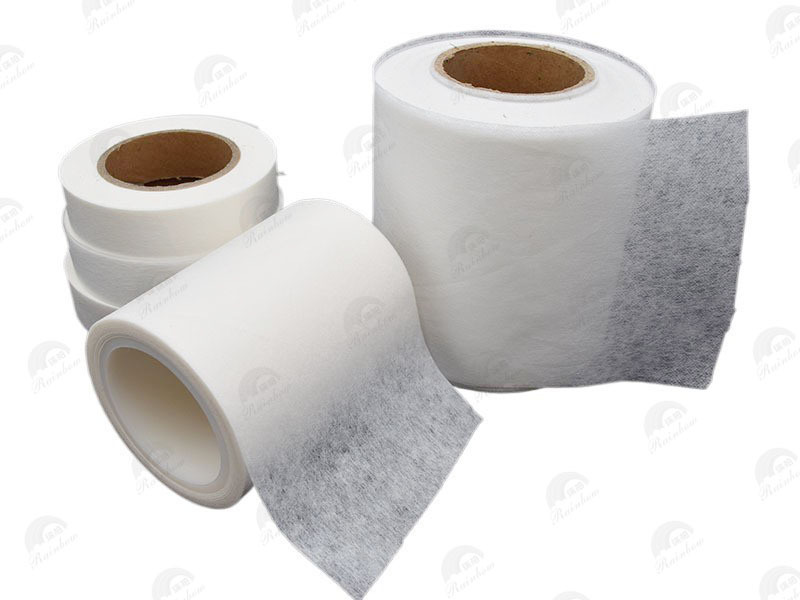
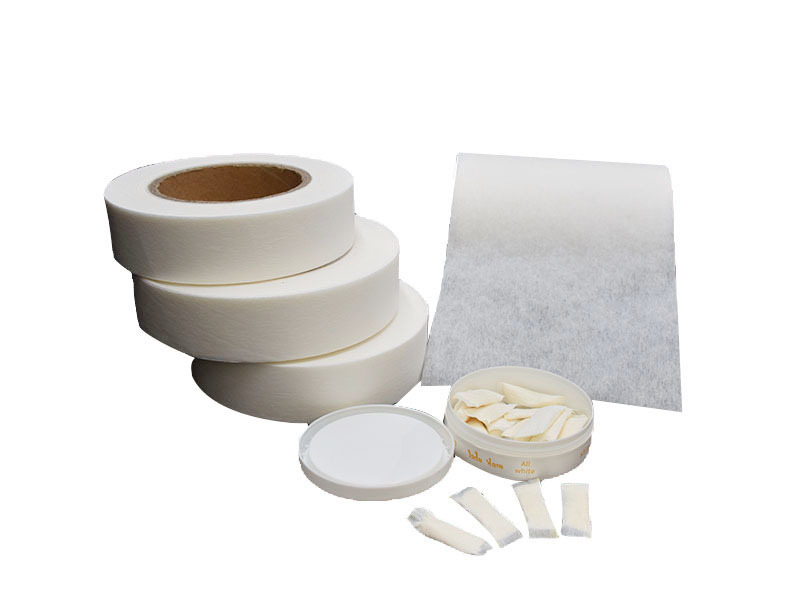
Woven fusible interlining refers to a non-woven fabric with an adhesive coating on one side, designed to bond with other fabrics when heat is applied. This specialized interlining is made from various fibers, including cotton, polyester, or a blend, offering flexibility and durability. The woven structure provides stability while ensuring that the garment maintains its shape over time.
Woven fusible interlining is commonly used in tailored garments, such as jackets, blazers, and skirts. Its unique properties make it an essential component in achieving a polished and professional look. Understanding the characteristics and applications of woven fusible interlining is crucial for anyone involved in garment construction, from hobbyists to professional tailors.
The Importance of Interlining in Garment Construction
Interlining serves multiple purposes in garment construction, contributing to both the aesthetic and functional aspects of clothing. Here are some key reasons why interlining is indispensable:
Enhancing Structure and Shape
Interlining provides the necessary support to maintain the shape of garments. For instance, in tailored jackets, the interlining helps shape the collar, lapels, and sleeves, giving the garment a structured silhouette. Without it, these areas may sag or lose their form, detracting from the overall appearance.
Improving Durability
Woven fusible interlining reinforces the fabric, increasing its durability and resistance to wear and tear. This is particularly important for high-wear areas of garments, such as the cuffs and collars, where fabric might otherwise become frayed or distorted over time.
Enhancing Comfort
Using interlining can enhance the comfort of a garment by providing a barrier between the outer fabric and the skin. This is particularly beneficial for heavier fabrics, which may be scratchy or irritating without the soft interlining beneath.
Types of Woven Fusible Interlining
There are various types of woven fusible interlining, each designed for specific applications and fabric types. Understanding these options will enable you to select the best interlining for your project.
Lightweight Interlining
Lightweight woven fusible interlining is ideal for delicate fabrics such as silks and lightweight cottons. It provides minimal structure while still offering support, making it suitable for blouses and summer dresses.
Medium-weight Interlining
Medium-weight interlining is versatile and can be used for a range of garments, from tailored blazers to skirts. It offers a balance between structure and comfort, making it a popular choice among garment makers.
Heavyweight Interlining
Heavyweight woven fusible interlining is suitable for outerwear and tailored clothing. It provides maximum support and is often used in jackets and coats, ensuring they retain their shape and appearance.
Stiff Interlining
Stiff interlining is used when a more rigid structure is required, such as in hats or structured dresses. It can give garments a distinctly formal appearance and is often used in the fashion industry for high-end pieces.
How to Choose the Right Interlining for Your Needs
Choosing the right woven fusible interlining involves considering several factors:
Fabric Compatibility
The type of fabric you are working with will determine the appropriate interlining. Consider the weight and drape of the fabric, as well as the intended use of the garment. Lighter fabrics require lighter interlining, while heavier fabrics benefit from more substantial options.
Purpose of the Garment
Think about the desired structure and style of the finished garment. For tailored pieces, opt for a medium to heavyweight interlining to achieve the necessary shape. For more casual garments, lightweight interlining may be sufficient.
Color and Texture
While typically not visible in the finished garment, the color and texture of the interlining can affect how it interacts with the outer fabric. Choose an interlining that complements the outer fabric to ensure a cohesive look.
Application Techniques for Fusible Interlining
Applying woven fusible interlining requires precision and care. Here are some effective techniques to ensure a successful application:
Preparing the Fabric
Before applying interlining, pre-wash and press the outer fabric to prevent any shrinkage after construction. This step is vital for ensuring that the interlining adheres properly.
Cutting the Interlining
Cut the interlining pieces slightly smaller than the outer fabric pieces to prevent it from showing through the seams. Use sharp scissors or a rotary cutter for a clean edge.
Bonding the Interlining
Place the adhesive side of the interlining against the wrong side of the outer fabric. Using an iron set to the appropriate temperature, press down firmly without moving the iron back and forth. This will activate the adhesive and bond the fabrics together.
Checking for Bonding
After allowing the bonded pieces to cool, check for adhesion by gently tugging at the fabric edges. If any areas lift, reapply heat and pressure to ensure a secure bond.
Benefits of Using Woven Fusible Interlining
Incorporating woven fusible interlining into your garment construction process provides numerous advantages:
Enhanced Garment Lifespan
Woven fusible interlining significantly increases the lifespan of garments, ensuring they withstand regular wear without losing their shape or appeal.
Improved Fit
Interlining helps achieve a better fit by maintaining the intended structure of the garment. This results in a polished look that is crucial for formal wear.
Versatility in Design
With various types of interlining available, garment makers can experiment with different styles and designs. Whether creating a structured blazer or a flowing dress, interlining can help achieve the desired aesthetic.
Time and Cost Efficiency
Using interlining can save time and resources in the long run by reducing the need for frequent repairs or replacements. A well-constructed garment with the right interlining will remain in good condition longer.
Common Mistakes to Avoid When Using Interlining
Even experienced garment makers can encounter challenges when working with interlining. Here are some common mistakes to avoid:
Using Incorrect Types
Selecting the wrong interlining type can lead to unsatisfactory results. Always choose an interlining that is compatible with the fabric and the intended use of the garment.
Neglecting Pre-washing
Failing to pre-wash the outer fabric can result in shrinkage after construction, leading to an ill-fitting garment. Always pre-wash and press before applying interlining.
Insufficient Heat Application
Not applying enough heat during the bonding process can lead to poor adhesion. Ensure the iron is set to the appropriate temperature and apply even pressure for the best results.
Overlooking Fabric Grain
Cutting interlining without considering the grain of the fabric can cause distortion. Always align the interlining’s grain with that of the outer fabric for consistent results.
Frequently Asked Questions
1. What is woven fusible interlining used for?
Woven fusible interlining is primarily used to add structure and support to garments, particularly in tailored pieces like jackets, blazers, and skirts.
2. How do I know which type of interlining to use?
Consider the weight and drape of the outer fabric, as well as the garment's purpose. Lightweight fabrics require lightweight interlining, while heavier fabrics need medium or heavyweight options.
3. Can I wash garments with fusible interlining?
Yes, garments made with fusible interlining can typically be washed, but it's essential to follow care instructions for both the outer fabric and the interlining to maintain quality.
4. How do I avoid peeling or bubbling of the interlining?
Ensure proper heat application during the bonding process and allow the bonded fabric to cool completely before handling. Avoid excessive moisture during washing.
5. Is interlining the same as interfacing?
While the terms are often used interchangeably, interfacing can refer to both woven and non-woven options. Woven fusible interlining specifically refers to a type of interfacing designed for added support and shape in garments.
Conclusion
Woven fusible interlining is undeniably essential for quality garment construction. Its ability to enhance structure, improve durability, and elevate the overall quality of clothing cannot be overstated. By understanding the various types, application techniques, and benefits of interlining, garment makers can achieve superior results that stand the test of time. Avoiding common pitfalls and choosing the right interlining for your projects will ensure your garments not only look good but also feel great to wear. Investing in quality woven fusible interlining is a step towards crafting garments that reflect professionalism and care, ultimately leading to satisfied customers and a successful sewing journey.
woven fusible interlining
Latest News


Nantong Rainbow Nonwoven Tech Co.,Ltd.
Telephone:+86-13587673537 +86-15851257231
E-mail:chrislc717@163.com christy@ntrainbow.com
sales1@ntrainbow.com
Address: (No. 88, Sanzong South Road) Group 42, Xichansi Village, Xiting Town, Tongzhou District, Nantong City, Jiangsu Province

Copyright©2024 Nantong Rainbow Technology Co., Ltd. | Powered by www.300.cn
Copyright©2024 Nantong Rainbow Technology Co., Ltd.
Powered by www.300.cn