
Why Fusible Nonwoven Interlining is Essential for Your Sewing Projects
Release time:
2025-07-19
Why Fusible Nonwoven Interlining is Essential for Your Sewing Projects
Introduction to Fusible Nonwoven Interlining
Fusible nonwoven interlining is an indispensable component in the world of sewing and garment production. It serves as a supportive layer that enhances the structure and durability of fabrics, making it a favorite among both amateur and professional sewers alike. In this article, we will delve into the myriad benefits of fusible nonwoven interlining, how it integrates into various sewing projects, and why it should be a staple in your sewing toolkit.
Table of Contents
- Understanding Fusible Nonwoven Interlining
- Benefits of Using Fusible Nonwoven Interlining
- Types of Fusible Nonwoven Interlining
- Applications in Sewing Projects
- How to Choose the Right Fusible Nonwoven Interlining
- Tips for Working with Fusible Nonwoven Interlining
- Common Mistakes to Avoid
- Frequently Asked Questions
- Conclusion
Understanding Fusible Nonwoven Interlining
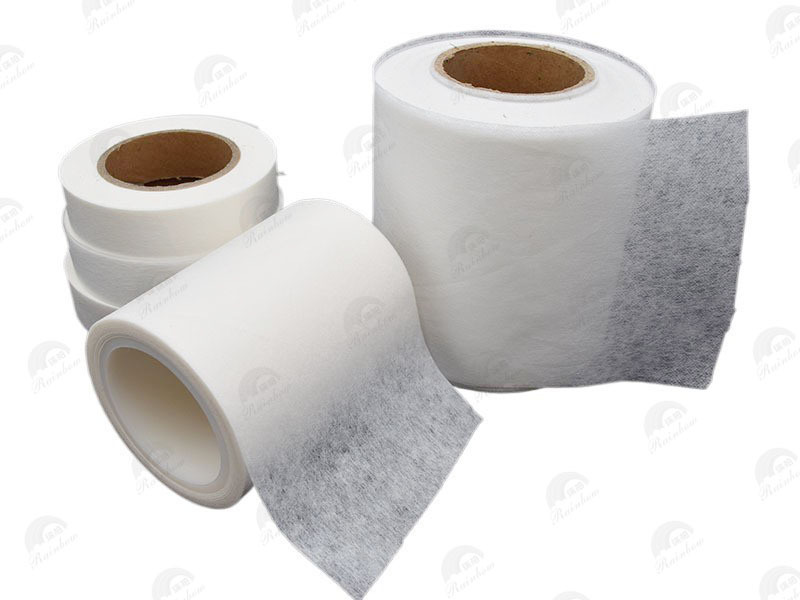
Fusible nonwoven interlining is a type of fabric that is designed to be bonded to the main fabric of a garment using heat and pressure. Made from synthetic fibers, it is typically lightweight, flexible, and easy to work with. The fusible aspect refers to the adhesive that is applied to one side of the interlining, allowing it to adhere seamlessly to the fabric when pressed with an iron.
The process of fusing involves placing the interlining on the fabric, covering it with a pressing cloth, and applying heat using a steam iron. This creates a strong bond that enhances the fabric's structure and stability. The versatility of fusible nonwoven interlining makes it suitable for various sewing applications, from collars and cuffs to waistbands and shoulder pads.
Benefits of Using Fusible Nonwoven Interlining
Fusible nonwoven interlining offers numerous advantages that can significantly improve the quality of your sewing projects. Here are some of the key benefits:
Enhanced Fabric Structure
One of the primary reasons for using fusible nonwoven interlining is its ability to enhance the structure of a fabric. It provides support, helping garments maintain their shape and resist sagging or stretching over time. This is particularly important in areas that require additional structure, such as collars, cuffs, and hems.
Increased Durability
Fusible interlining increases the durability of garments by reinforcing the fabric. This added strength helps prevent wear and tear, ensuring that your garments withstand the test of time. The longevity of a garment is essential, especially for items that are frequently worn or washed.
Improved Comfort
Fusible nonwoven interlining contributes to the overall comfort of a garment. By providing a smooth surface against the skin, it reduces irritation that may occur from rough fabric edges. Additionally, it helps garments drape better, enhancing the overall fit and feel.
Versatility in Applications
Fusible nonwoven interlining can be used in a wide variety of sewing projects. It is suitable for both lightweight and heavyweight fabrics, making it an excellent choice for various garment types, including blouses, dresses, jackets, and pants. This versatility allows sewers to tackle different projects with the same reliable product.
Types of Fusible Nonwoven Interlining
Understanding the different types of fusible nonwoven interlining can help you make informed choices for your sewing projects. Here are the most common types:
Lightweight Fusible Nonwoven Interlining
Lightweight fusible nonwoven interlining is ideal for delicate fabrics such as silk, chiffon, and lightweight cotton. It provides just enough support without adding bulk, making it perfect for blouses and dresses.
Medium-weight Fusible Nonwoven Interlining
Medium-weight fusible nonwoven interlining is versatile and can be used in a variety of projects. It offers a balance between support and flexibility, making it suitable for garments that require more structure without being overly stiff.
Heavyweight Fusible Nonwoven Interlining
Heavyweight fusible nonwoven interlining is designed for fabrics that need significant support, such as outerwear and tailored garments. It provides maximum stability and is often used in jackets, coats, and structured dresses.
Specialty Fusible Nonwoven Interlining
Specialty fusible nonwoven interlinings include options such as stretchable interlining for knit fabrics or fusible fleece for added warmth and cushioning. These specialized products cater to specific sewing needs, offering enhanced performance.
Applications in Sewing Projects
Fusible nonwoven interlining can be utilized in numerous applications throughout sewing projects. Here are some common uses:
Collars and Cuffs
Using fusible nonwoven interlining in collars and cuffs enhances their shape and stability. This prevents them from becoming floppy and ensures they maintain their form after repeated wear and washing.
Waistbands and Hems
Applying fusible interlining to waistbands and hems provides additional strength and support. It helps to prevent stretching, ensuring that these areas maintain their intended shape over time.
Shoulder Pads
Fusible nonwoven interlining is often used in the creation of shoulder pads, providing structure and support to garments like blazers and tailored dresses. This enhances the overall silhouette and fit of the garment.
Facings and Linings
Fusible interlining is commonly used in facings and linings, providing a smooth finish and preventing the fabric from curling or bending. This is particularly important in areas that require a clean and professional appearance, such as necklines and armholes.
How to Choose the Right Fusible Nonwoven Interlining
Selecting the appropriate fusible nonwoven interlining can significantly impact the quality of your finished project. Here are some factors to consider:
Fabric Type
Consider the type of fabric you are working with. Lightweight fabrics require lightweight fusible interlining, while heavier fabrics may benefit from medium or heavyweight options. Ensuring compatibility between the fabric and interlining is crucial for achieving the desired results.
Project Requirements
Evaluate the specific requirements of your project. If you need extra structure or support, opt for a heavier interlining. Conversely, if you need flexibility, a lightweight option may be more suitable.
Adhesive Quality
Check the quality of the adhesive used in the fusible interlining. High-quality adhesives ensure a strong bond that lasts through washing and wearing. Look for products that specify their durability and washability.
Brand Reputation
Choosing reputable brands can make a difference in the quality of the interlining. Research brands that are known for their high-quality sewing materials to ensure you are getting a reliable product.
Tips for Working with Fusible Nonwoven Interlining
Working with fusible nonwoven interlining can be a straightforward process with the right techniques. Here are some tips to ensure success:
Pre-Wash Your Fabric
It's essential to pre-wash your fabric before applying fusible interlining. This helps to prevent shrinking and ensures that both layers react similarly to washing and wearing conditions.
Use a Pressing Cloth
Always use a pressing cloth when fusing the interlining to protect the fabric and ensure an even application of heat. This prevents scorching and keeps the fabric surface smooth.
Adjust Iron Settings
Adjust your iron's temperature settings according to the fabric type. Using the appropriate heat will ensure the adhesive bonds properly without damaging the fabric.
Test Before Full Application
Conduct a test on a scrap piece of fabric before applying fusible interlining to your main project. This allows you to check the bond and make any necessary adjustments.
Common Mistakes to Avoid
Avoiding common pitfalls can enhance your experience with fusible nonwoven interlining. Here are a few mistakes to steer clear of:
Skipping the Test
Neglecting to test the interlining on scrap fabric can lead to unwanted results in your final project. Always conduct a test to ensure compatibility.
Using Incorrect Heat Settings
Using the wrong heat settings can either weaken the bond or damage the fabric. Always verify the recommended settings based on fabric type.
Not Pre-Washing Fabrics
Failing to pre-wash fabrics can result in discrepancies in how the interlining and fabric react to washing and drying. This can lead to distortion and misalignment.
Frequently Asked Questions
What is fusible nonwoven interlining made of?
Fusible nonwoven interlining is typically made from synthetic fibers that are bonded together to create a lightweight, flexible fabric. The adhesive is applied to one side, allowing it to bond to other fabrics when heat is applied.
How do I know which type of interlining to use?
The type of interlining you should use depends on the weight and type of fabric you are working with, as well as the specific requirements of your project. Lightweight fabrics generally require lightweight interlining, while heavier fabrics benefit from medium to heavyweight options.
Can fusible interlining be washed?
Yes, fusible nonwoven interlining is designed to withstand washing. However, always check the manufacturer's recommendations for care instructions to ensure longevity.
Can I use fusible nonwoven interlining on knit fabrics?
Yes, there are specialty fusible nonwoven interlinings designed specifically for knit fabrics. These provide the necessary support and stability without compromising the stretchability of the fabric.
Is it possible to remove fusible interlining?
While it is challenging to remove fusible interlining once it has been applied, it can sometimes be done carefully with heat and moisture. However, it is advisable to plan your projects carefully to avoid the need for removal.
Conclusion
Fusible nonwoven interlining is a vital tool in the arsenal of any sewist or garment maker. Its ability to enhance fabric structure, improve durability, and provide versatility across various applications makes it an essential component in sewing projects. By understanding the different types, benefits, and application techniques, you can elevate the quality of your garments, ensuring they not only look great but also stand the test of time. Whether you are a beginner or a seasoned professional, incorporating fusible nonwoven interlining into your sewing toolkit will undoubtedly lead to more polished and professional results.
fusible nonwoven interlining
Latest News


Nantong Rainbow Nonwoven Tech Co.,Ltd.
Telephone:+86-13587673537 +86-15851257231
E-mail:chrislc717@163.com christy@ntrainbow.com
sales1@ntrainbow.com
Address: (No. 88, Sanzong South Road) Group 42, Xichansi Village, Xiting Town, Tongzhou District, Nantong City, Jiangsu Province

Copyright©2024 Nantong Rainbow Technology Co., Ltd. | Powered by www.300.cn
Copyright©2024 Nantong Rainbow Technology Co., Ltd.
Powered by www.300.cn