
Understanding Nonwoven Fusible Interlining: A Key Component in Textile Applications
Release time:
2025-07-18
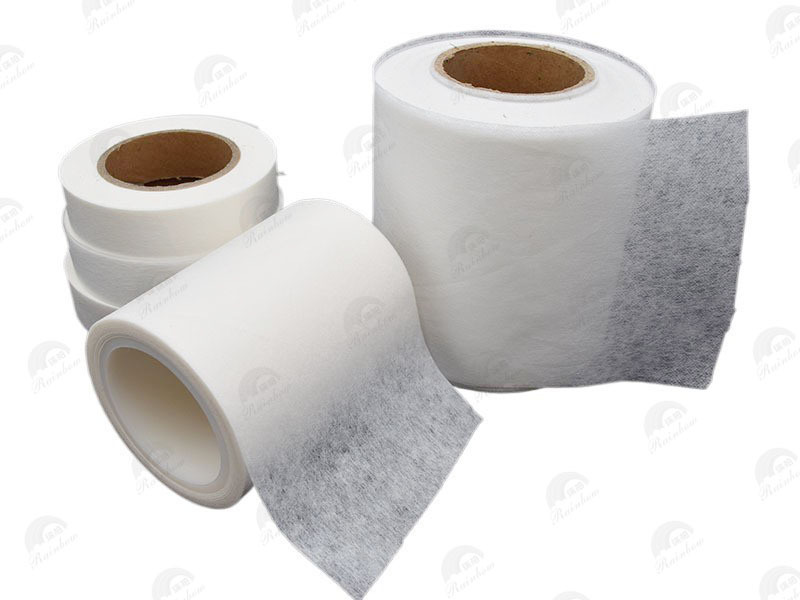
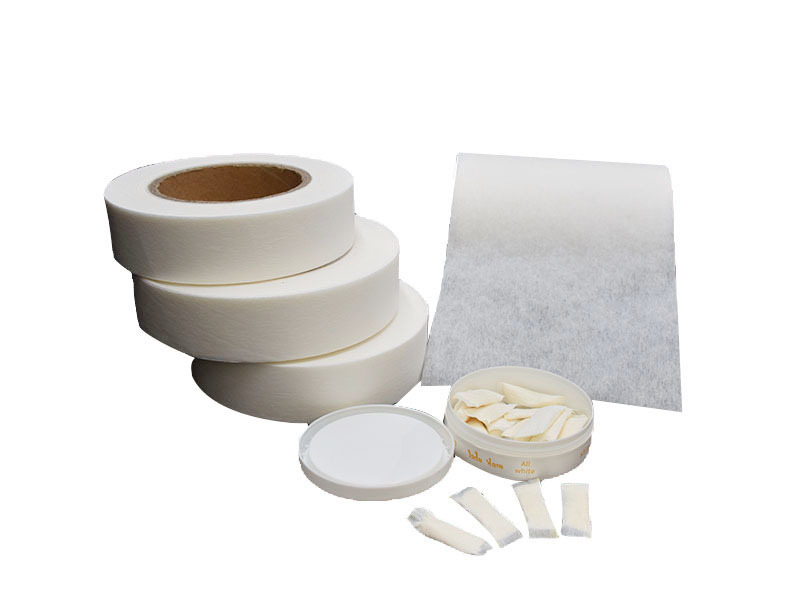
Nonwoven fusible interlining is an essential component in the textile and garment manufacturing industry, serving as a crucial layer that enhances the structural integrity and aesthetic qualities of fabrics. This innovative material, made from synthetic fibers, is designed to bond with various textiles through the application of heat and pressure, creating a strong, yet flexible layer that provides support and stability.
One of the primary advantages of nonwoven fusible interlining is its versatility. It can be used across a wide range of applications, including shirts, blouses, collars, cuffs, and various other garment components that require reinforcement. The nonwoven nature of the material allows for excellent drape and flow, making it suitable for both lightweight and heavier fabrics. This adaptability means that manufacturers can use nonwoven fusible interlining to enhance the quality of their garments without compromising on style or comfort.
In addition to its functional benefits, nonwoven fusible interlining offers aesthetic enhancements to textiles. By providing a smooth and stable surface, it helps maintain the shape of garments, preventing sagging and distortion over time. This quality is particularly important in high-end fashion and tailored garments, where precision and presentation are key. Moreover, the ability to select various weights and finishes allows designers to achieve the desired look and feel for their products.
From a technical perspective, the bonding process of nonwoven fusible interlining is relatively straightforward. The adhesive on one side of the interlining is activated by heat, allowing it to fuse securely to the fabric. This process not only ensures a durable bond but also minimizes the risks of delamination, which can occur with other types of interfacing. It is important for manufacturers to properly manage the temperature and pressure settings during application to optimize the performance of the interlining and avoid any potential fabric damage.
Furthermore, the choice of nonwoven fusible interlining can significantly influence the overall performance of the final product. Factors such as the fiber composition, weight, and adhesive type all play a crucial role in determining the interlining's effectiveness in a given application. As such, professionals in the textile industry should carefully consider these aspects when selecting interlining for specific projects.
In summary, nonwoven fusible interlining is a vital material that supports the design and functionality of textiles. Its ability to provide strength, stability, and aesthetic enhancement makes it an invaluable resource for garment manufacturers. By understanding the properties and applications of nonwoven fusible interlining, industry professionals can make informed choices that elevate the quality of their textile products while meeting the demands of modern consumers.
One of the primary advantages of nonwoven fusible interlining is its versatility. It can be used across a wide range of applications, including shirts, blouses, collars, cuffs, and various other garment components that require reinforcement. The nonwoven nature of the material allows for excellent drape and flow, making it suitable for both lightweight and heavier fabrics. This adaptability means that manufacturers can use nonwoven fusible interlining to enhance the quality of their garments without compromising on style or comfort.
In addition to its functional benefits, nonwoven fusible interlining offers aesthetic enhancements to textiles. By providing a smooth and stable surface, it helps maintain the shape of garments, preventing sagging and distortion over time. This quality is particularly important in high-end fashion and tailored garments, where precision and presentation are key. Moreover, the ability to select various weights and finishes allows designers to achieve the desired look and feel for their products.
From a technical perspective, the bonding process of nonwoven fusible interlining is relatively straightforward. The adhesive on one side of the interlining is activated by heat, allowing it to fuse securely to the fabric. This process not only ensures a durable bond but also minimizes the risks of delamination, which can occur with other types of interfacing. It is important for manufacturers to properly manage the temperature and pressure settings during application to optimize the performance of the interlining and avoid any potential fabric damage.
Furthermore, the choice of nonwoven fusible interlining can significantly influence the overall performance of the final product. Factors such as the fiber composition, weight, and adhesive type all play a crucial role in determining the interlining's effectiveness in a given application. As such, professionals in the textile industry should carefully consider these aspects when selecting interlining for specific projects.
In summary, nonwoven fusible interlining is a vital material that supports the design and functionality of textiles. Its ability to provide strength, stability, and aesthetic enhancement makes it an invaluable resource for garment manufacturers. By understanding the properties and applications of nonwoven fusible interlining, industry professionals can make informed choices that elevate the quality of their textile products while meeting the demands of modern consumers.
Nonwoven fusible interlining
Latest News


Nantong Rainbow Nonwoven Tech Co.,Ltd.
Telephone:+86-13587673537 +86-15851257231
E-mail:chrislc717@163.com christy@ntrainbow.com
sales1@ntrainbow.com
Address: (No. 88, Sanzong South Road) Group 42, Xichansi Village, Xiting Town, Tongzhou District, Nantong City, Jiangsu Province

Copyright©2024 Nantong Rainbow Technology Co., Ltd. | Powered by www.300.cn
Copyright©2024 Nantong Rainbow Technology Co., Ltd.
Powered by www.300.cn