
Understanding Chemical Bonded Nonwoven Fusible Interlining: A Comprehensive Guide for Textile Professionals
Release time:
2025-07-20
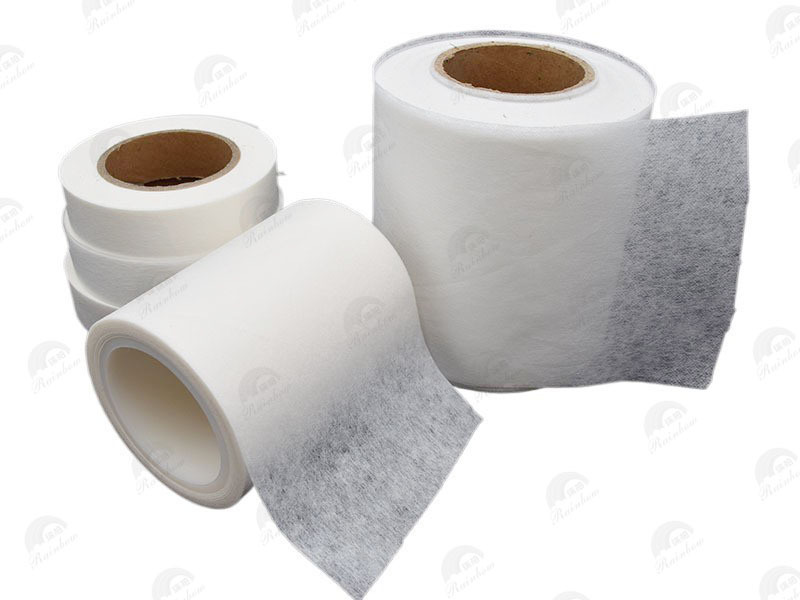
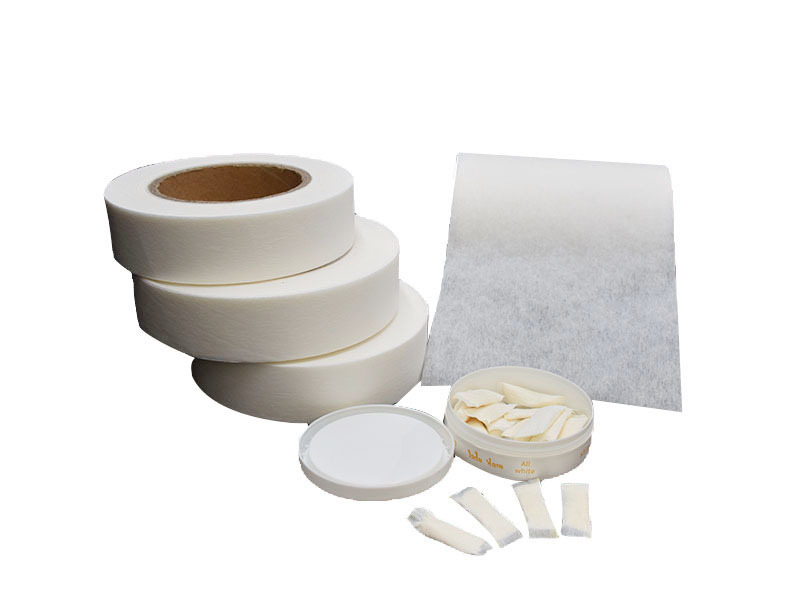
Chemical bonded nonwoven fusible interlining is a specialized fabric used widely in the textile industry, particularly in garment construction. This interlining is designed to provide additional support and structure to various fabric types, enhancing the overall quality and durability of the finished product. The term "chemical bonded" refers to the method used to create this material, where fibers are bonded together using a chemical adhesive, resulting in a stable and resilient fabric.
One of the key benefits of chemical bonded nonwoven fusible interlining is its versatility. It can be used in a variety of applications, including shirts, jackets, and dresses, where added support is needed in areas like collars, cuffs, and waistbands. Its nonwoven nature means that it does not unravel or fray, making it an ideal choice for edges and seams. Additionally, this type of interlining is often lighter than traditional woven options, which helps maintain the drape and flow of the outer fabric.
Another significant advantage of chemical bonded nonwoven fusible interlining is its fusibility. The adhesive layer allows it to bond securely to the outer fabric when subjected to heat and pressure. This bonding process enhances the fabric's stability and helps retain its shape, preventing distortion during wear and washing. This feature is particularly beneficial for structured garments where maintaining shape is essential.
When selecting chemical bonded nonwoven fusible interlining, professionals should consider several factors, including weight, thickness, and adhesive properties. The right choice will depend on the outer fabric being used and the desired characteristics of the final product. For example, heavier interlinings may be suitable for outerwear, while lighter options are ideal for delicate fabrics like silk or chiffon.
In terms of care, chemical bonded nonwoven fusible interlining typically requires specific washing conditions to maintain its properties. Professionals should always refer to the manufacturer's guidelines for washing and pressing to ensure the longevity of the interlining.
In summary, chemical bonded nonwoven fusible interlining is an invaluable resource for textile professionals looking to enhance their products' quality and functionality. By understanding its properties and applications, professionals can make informed decisions that ultimately lead to superior garment construction. Whether you're involved in fashion design, manufacturing, or quality control, incorporating this interlining into your workflow can significantly impact the performance and durability of your textiles.
One of the key benefits of chemical bonded nonwoven fusible interlining is its versatility. It can be used in a variety of applications, including shirts, jackets, and dresses, where added support is needed in areas like collars, cuffs, and waistbands. Its nonwoven nature means that it does not unravel or fray, making it an ideal choice for edges and seams. Additionally, this type of interlining is often lighter than traditional woven options, which helps maintain the drape and flow of the outer fabric.
Another significant advantage of chemical bonded nonwoven fusible interlining is its fusibility. The adhesive layer allows it to bond securely to the outer fabric when subjected to heat and pressure. This bonding process enhances the fabric's stability and helps retain its shape, preventing distortion during wear and washing. This feature is particularly beneficial for structured garments where maintaining shape is essential.
When selecting chemical bonded nonwoven fusible interlining, professionals should consider several factors, including weight, thickness, and adhesive properties. The right choice will depend on the outer fabric being used and the desired characteristics of the final product. For example, heavier interlinings may be suitable for outerwear, while lighter options are ideal for delicate fabrics like silk or chiffon.
In terms of care, chemical bonded nonwoven fusible interlining typically requires specific washing conditions to maintain its properties. Professionals should always refer to the manufacturer's guidelines for washing and pressing to ensure the longevity of the interlining.
In summary, chemical bonded nonwoven fusible interlining is an invaluable resource for textile professionals looking to enhance their products' quality and functionality. By understanding its properties and applications, professionals can make informed decisions that ultimately lead to superior garment construction. Whether you're involved in fashion design, manufacturing, or quality control, incorporating this interlining into your workflow can significantly impact the performance and durability of your textiles.
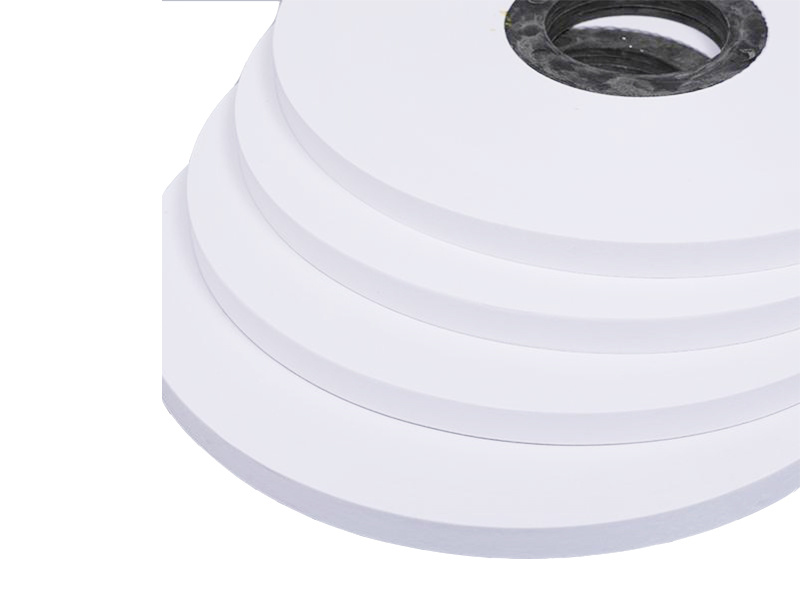
chemical bonded Nonwoven fusible interlining
Latest News


Nantong Rainbow Nonwoven Tech Co.,Ltd.
Telephone:+86-13587673537 +86-15851257231
E-mail:chrislc717@163.com christy@ntrainbow.com
sales1@ntrainbow.com
Address: (No. 88, Sanzong South Road) Group 42, Xichansi Village, Xiting Town, Tongzhou District, Nantong City, Jiangsu Province

Copyright©2024 Nantong Rainbow Technology Co., Ltd. | Powered by www.300.cn
Copyright©2024 Nantong Rainbow Technology Co., Ltd.
Powered by www.300.cn