
Why Choose Chemical Bonded Nonwoven Fusible Interlining for Your Fabrics?
Release time:
2025-05-12
Why Choose Chemical Bonded Nonwoven Fusible Interlining for Your Fabrics?
In the textile industry, the choice of interlining can dramatically impact the quality and longevity of a fabric. Among the various options available, **chemical bonded nonwoven fusible interlining** stands out for its exceptional qualities. This article delves into the reasons why this particular type of interlining is ideal for enhancing your fabrics, examining its unique properties, advantages, and applications.
Table of Contents
- Understanding Chemical Bonded Nonwoven Fusible Interlining
- Advantages of Using Chemical Bonded Nonwoven Fusible Interlining
- Applications in Different Textile Products
- How to Choose the Right Interlining for Your Fabric
- Step-by-Step Guide to Applying Fusible Interlining
- Common FAQs About Chemical Bonded Nonwoven Fusible Interlining
- Conclusion
Understanding Chemical Bonded Nonwoven Fusible Interlining
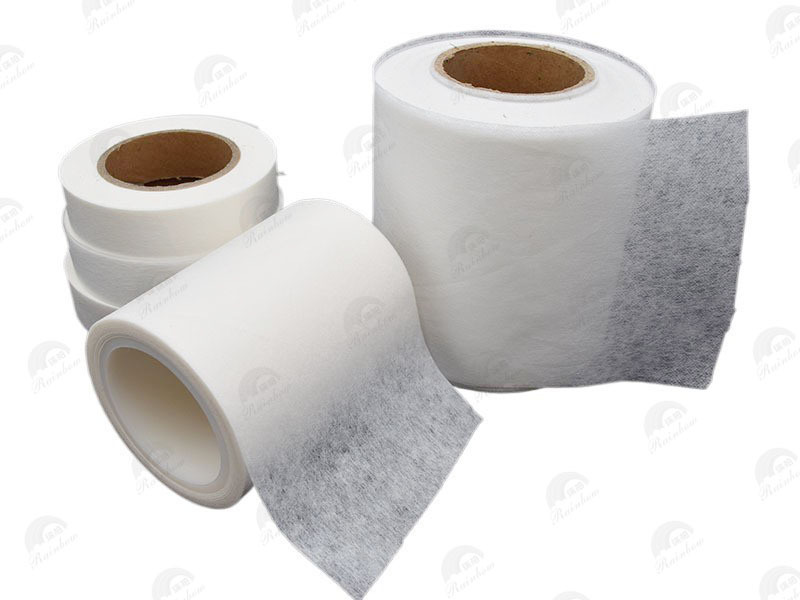
**Chemical bonded nonwoven fusible interlining** is a type of interlining made from synthetic fibers that are bonded together using chemical processes. This method of bonding produces a lightweight, durable fabric that retains its shape and structure when fused to the main fabric. Unlike traditional woven interlinings, nonwoven options offer enhanced flexibility and adaptability, making them an excellent choice for various textile applications.
Typically, this interlining features one side coated with an adhesive that activates when heat is applied. This allows it to bond seamlessly with the fabric, providing additional support and structure without compromising the hand feel or drape of the material.
Advantages of Using Chemical Bonded Nonwoven Fusible Interlining
1. Enhanced Durability
One of the primary benefits of **chemical bonded nonwoven fusible interlining** is its enhanced durability. The chemical bonding process creates a strong, resilient fabric that withstands wear and tear over time. This durability is especially beneficial in applications where the fabric will undergo frequent movement or stress.
2. Lightweight and Breathable
Despite its robustness, this interlining remains lightweight, making it an ideal choice for garments that require comfort and ease of movement. Additionally, the nonwoven structure promotes breathability, ensuring that the fabrics remain comfortable to wear in various conditions.
3. Versatile for Different Fabrics
This type of interlining is incredibly versatile and can be used with a wide range of fabrics, including cotton, polyester, and blends. Its ability to bond effectively to different materials makes it a favored choice among designers and manufacturers.
4. Easy Application Process
Applying chemical bonded nonwoven fusible interlining is straightforward, requiring minimal tools and resources. Typically, it only involves heat and pressure, which makes it accessible for both home sewists and industrial applications.
5. Improved Structure and Shape Retention
Fusible interlining provides essential support to fabrics, helping garments maintain their intended shape and structure. This is particularly vital for tailored clothing, where precision and form are key elements of design.
6. Cost-Effective Solution
Using chemical bonded nonwoven fusible interlining can be a cost-effective solution, reducing the need for additional interfacing or support materials. This efficiency can lead to overall savings in production costs for manufacturers and designers alike.
Applications in Different Textile Products
The versatility of chemical bonded nonwoven fusible interlining allows it to be used in a myriad of textile products. Here are some common applications:
1. Apparel
In the apparel industry, this interlining is commonly used for collars, cuffs, waistbands, and other structured areas of garments. It enhances the garment's shape and provides a polished, professional finish.
2. Home Textiles
From curtains to upholstery, chemical bonded nonwoven fusible interlining is widely employed in home textiles to add structure and stability. It helps maintain a clean silhouette and can improve the overall aesthetic of home furnishings.
3. Technical Textiles
In technical and industrial textiles, this interlining plays a crucial role in enhancing the performance characteristics of fabrics. It can be used in items like protective clothing and uniforms, providing additional support and functionality.
4. Accessories
Fashion accessories such as bags and hats also benefit from the use of fusible interlining. It helps maintain the desired shape and adds a professional touch to the final product.
How to Choose the Right Interlining for Your Fabric
Selecting the appropriate interlining is essential for achieving your desired outcome. Consider the following factors when choosing chemical bonded nonwoven fusible interlining:
1. Fabric Type
Assess the main fabric you are working with. Different fabrics may require specific weights or textures of interlining to achieve the best results.
2. Desired Finish
Decide on the finish you want for your final product. Consider whether you need a stiffer structure or a softer drape and choose your interlining accordingly.
3. Application Method
Ensure that the interlining you select is compatible with your application method. If you are using a heat press, ensure the adhesive is designed to activate at the required temperature.
4. Washability
Evaluate the washability of the interlining. Some interlinings may not withstand high temperatures or specific detergents, so choose one that complements the care requirements of your fabric.
Step-by-Step Guide to Applying Fusible Interlining
Applying chemical bonded nonwoven fusible interlining is a simple process that can be done in a few steps:
Step 1: Preparation
Begin by preparing your fabrics. Cut the fusible interlining to the desired size, ensuring it matches the section of fabric you will be fusing it to.
Step 2: Positioning
Lay the interlining, adhesive side down, on the wrong side of the fabric. Ensure it is positioned correctly to prevent any misalignments.
Step 3: Heat Application
Using a hot iron, press down on the interlining for the recommended amount of time. Be sure to follow the manufacturer's guidelines for temperature settings to activate the adhesive.
Step 4: Cooling
Allow the bonded fabrics to cool completely before handling. This ensures a strong bond has formed between the interlining and the main fabric.
Step 5: Final Adjustments
After cooling, check the bond to ensure it has adhered properly. If necessary, trim any excess interlining to achieve a clean finish.
Common FAQs About Chemical Bonded Nonwoven Fusible Interlining
1. What is the difference between nonwoven and woven interlining?
Nonwoven interlining is made from fibers that are bonded together chemically, resulting in a lightweight and flexible fabric. Woven interlining, on the other hand, is made using traditional weaving methods, which can make it heavier and less adaptable.
2. Is chemical bonded nonwoven fusible interlining machine washable?
Most chemical bonded nonwoven fusible interlinings are machine washable, but it is essential to check the manufacturer’s care instructions for specific washing and drying recommendations.
3. Can I use fusible interlining on delicate fabrics?
While many delicate fabrics can benefit from fusible interlining, it is crucial to test a small sample first to ensure that the heat and adhesive do not damage the material.
4. How do I remove fusible interlining if needed?
If you need to remove fusible interlining, apply steam from an iron to loosen the adhesive and gently peel it away from the fabric. Take care not to damage the main fabric during this process.
5. What temperatures are best for applying fusible interlining?
The best temperature for applying fusible interlining varies by product, but typically a medium to high heat setting is recommended. Always refer to the manufacturer's instructions for optimal results.
Conclusion
Choosing **chemical bonded nonwoven fusible interlining** for your fabric applications presents numerous advantages that can significantly enhance the quality and durability of your textile products. Its lightweight nature, ease of application, and versatility make it an ideal option for a wide range of applications, from apparel to home textiles. By understanding the benefits and correct application methods, you can elevate your fabric creations to new heights, ensuring they not only look great but also stand the test of time. Investing in the right interlining can ultimately lead to improved efficiency and quality in your textile projects, making it a wise choice for both professionals and hobbyists alike.
chemical bonded Nonwoven fusible interlining
Latest News


Nantong Rainbow Nonwoven Tech Co.,Ltd.
Telephone:+86-13587673537 +86-15851257231
E-mail:chrislc717@163.com christy@ntrainbow.com
sales1@ntrainbow.com
Address: (No. 88, Sanzong South Road) Group 42, Xichansi Village, Xiting Town, Tongzhou District, Nantong City, Jiangsu Province

Copyright©2024 Nantong Rainbow Technology Co., Ltd. | Powered by www.300.cn
Copyright©2024 Nantong Rainbow Technology Co., Ltd.
Powered by www.300.cn