
A Comprehensive Guide to Chemical Bonded Nonwoven Fusible Interlining in Textile Applications
Release time:
2025-05-13
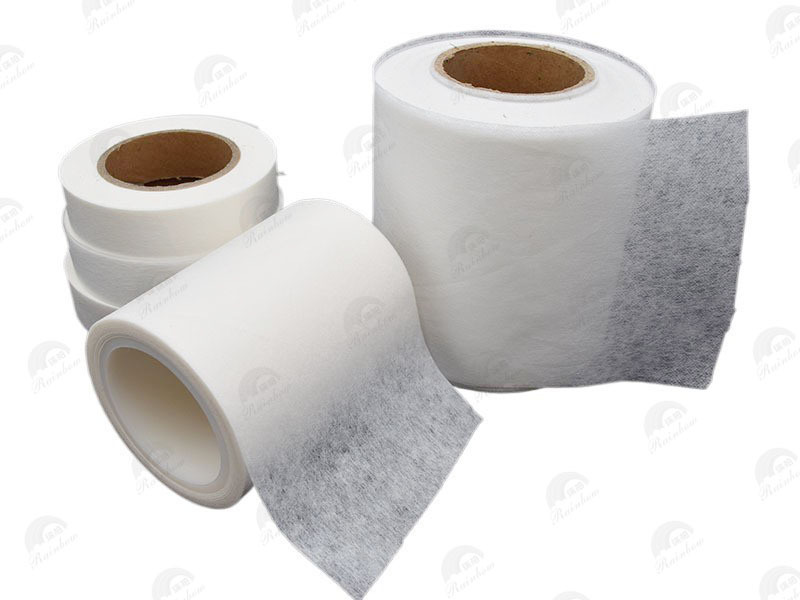
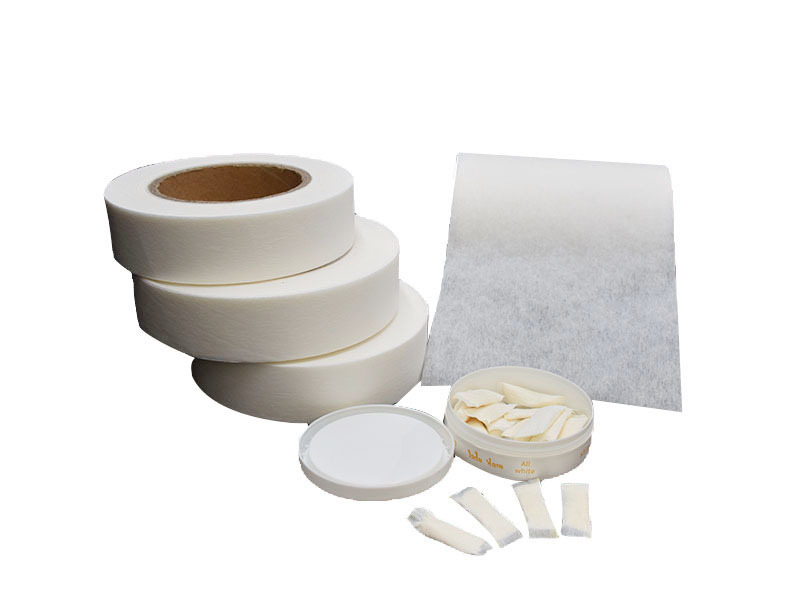
Chemical bonded nonwoven fusible interlining is a vital component in the textile and apparel industry, particularly in the production of garments that require added structure and stability. Unlike traditional woven interlinings, chemical bonded nonwoven interlining is manufactured through a process that uses adhesive bonding agents to fuse fibers together, resulting in a durable, lightweight, and versatile fabric. This interlining is particularly valued for its ability to provide support and shape to garments without adding unnecessary bulk.
One of the main advantages of chemical bonded nonwoven fusible interlining is its ease of application. The fusible nature of this interlining allows it to be effortlessly adhered to the outer fabric using heat and pressure, facilitating a streamlined production process. This is especially beneficial in high-volume garment manufacturing, where efficiency and consistency are crucial. Additionally, because it is nonwoven, this interlining exhibits excellent dimensional stability, which helps maintain the integrity of the garment shape over time.
In terms of applications, chemical bonded nonwoven fusible interlining is commonly used in a variety of textiles, including shirts, jackets, and tailored garments. It is particularly effective in areas requiring reinforcement, such as collars, cuffs, and waistbands. The lightweight nature of the interlining ensures that it does not compromise the comfort of the wearer, making it ideal for both formal and casual clothing.
Moreover, the versatility of chemical bonded nonwoven fusible interlining extends to its availability in different weights and thicknesses, allowing manufacturers to select the most suitable option for their specific fabric and garment type. This adaptability ensures that designers can achieve the desired aesthetic and functional qualities in their clothing lines.
Another noteworthy benefit of this interlining type is its resistance to fraying and wear, which enhances the overall durability of the garment. This characteristic is particularly important for garments that undergo frequent washing or heavy use, as it helps maintain a polished appearance throughout the product's life.
In summary, chemical bonded nonwoven fusible interlining plays a crucial role in enhancing the quality and performance of textile products. Its unique properties make it an essential choice for manufacturers looking to produce high-quality garments that combine structure, functionality, and comfort. As the textile industry continues to evolve, the importance of innovative materials like chemical bonded nonwoven fusible interlining will undoubtedly grow, driving further advancements in fabric technology and garment design.
One of the main advantages of chemical bonded nonwoven fusible interlining is its ease of application. The fusible nature of this interlining allows it to be effortlessly adhered to the outer fabric using heat and pressure, facilitating a streamlined production process. This is especially beneficial in high-volume garment manufacturing, where efficiency and consistency are crucial. Additionally, because it is nonwoven, this interlining exhibits excellent dimensional stability, which helps maintain the integrity of the garment shape over time.
In terms of applications, chemical bonded nonwoven fusible interlining is commonly used in a variety of textiles, including shirts, jackets, and tailored garments. It is particularly effective in areas requiring reinforcement, such as collars, cuffs, and waistbands. The lightweight nature of the interlining ensures that it does not compromise the comfort of the wearer, making it ideal for both formal and casual clothing.
Moreover, the versatility of chemical bonded nonwoven fusible interlining extends to its availability in different weights and thicknesses, allowing manufacturers to select the most suitable option for their specific fabric and garment type. This adaptability ensures that designers can achieve the desired aesthetic and functional qualities in their clothing lines.
Another noteworthy benefit of this interlining type is its resistance to fraying and wear, which enhances the overall durability of the garment. This characteristic is particularly important for garments that undergo frequent washing or heavy use, as it helps maintain a polished appearance throughout the product's life.
In summary, chemical bonded nonwoven fusible interlining plays a crucial role in enhancing the quality and performance of textile products. Its unique properties make it an essential choice for manufacturers looking to produce high-quality garments that combine structure, functionality, and comfort. As the textile industry continues to evolve, the importance of innovative materials like chemical bonded nonwoven fusible interlining will undoubtedly grow, driving further advancements in fabric technology and garment design.
chemical bonded Nonwoven fusible interlining
Latest News


Nantong Rainbow Nonwoven Tech Co.,Ltd.
Telephone:+86-13587673537 +86-15851257231
E-mail:chrislc717@163.com christy@ntrainbow.com
sales1@ntrainbow.com
Address: (No. 88, Sanzong South Road) Group 42, Xichansi Village, Xiting Town, Tongzhou District, Nantong City, Jiangsu Province

Copyright©2024 Nantong Rainbow Technology Co., Ltd. | Powered by www.300.cn
Copyright©2024 Nantong Rainbow Technology Co., Ltd.
Powered by www.300.cn