
Understanding Chemical Bonded Nonwoven Fusible Interlining: A Comprehensive Guide
Release time:
2025-05-11
Chemical bonded nonwoven fusible interlining is a crucial component in the textile and garment manufacturing industry, particularly in the production of clothing and other textile products. This type of interlining is designed to provide structure, support, and shape to fabrics, ensuring that garments maintain their form and quality over time. The term "chemical bonded" refers to the process by which fibers are held together using adhesives or bonding agents, creating a stable and durable material.
One of the primary benefits of chemical bonded nonwoven fusible interlining is its versatility. It can be used in a variety of applications, ranging from shirts and jackets to bags and other accessories. This type of interlining is particularly valued for its ability to provide a smooth finish, which is essential in high-quality garment production. Due to its nonwoven nature, it also offers increased breathability and comfort in clothing, making it an ideal choice for various fabric types.
The fusible aspect of this interlining means it features a heat-activated adhesive on one side. When heat is applied—usually during the pressing process—this adhesive melts and bonds the interlining to the fabric. This process not only enhances the strength of the bond but also minimizes the risk of peeling or separating over time, making it an excellent option for long-lasting garments.
Moreover, chemical bonded nonwoven fusible interlining comes in different weights and thicknesses, allowing manufacturers to choose the right type for their specific needs. Lighter weights are often used for delicate fabrics, while heavier versions provide additional structure and support for more robust materials. Additionally, the availability of various colors and finishes means that this interlining can easily be matched to the outer fabric, ensuring a seamless appearance.
In terms of sustainability, the textile industry is increasingly focusing on eco-friendly practices. Manufacturers of chemical bonded nonwoven fusible interlining are also adapting to this trend by exploring the use of recycled fibers and non-toxic adhesives, thus reducing the environmental impact of their products.
In conclusion, chemical bonded nonwoven fusible interlining is an indispensable element in the textile industry. Its unique bonding process, versatility, and range of options make it a preferred choice for garment manufacturers seeking to enhance the quality and durability of their products. Understanding the characteristics and applications of this interlining will empower businesses in making informed decisions that elevate their textile offerings.
One of the primary benefits of chemical bonded nonwoven fusible interlining is its versatility. It can be used in a variety of applications, ranging from shirts and jackets to bags and other accessories. This type of interlining is particularly valued for its ability to provide a smooth finish, which is essential in high-quality garment production. Due to its nonwoven nature, it also offers increased breathability and comfort in clothing, making it an ideal choice for various fabric types.
The fusible aspect of this interlining means it features a heat-activated adhesive on one side. When heat is applied—usually during the pressing process—this adhesive melts and bonds the interlining to the fabric. This process not only enhances the strength of the bond but also minimizes the risk of peeling or separating over time, making it an excellent option for long-lasting garments.
Moreover, chemical bonded nonwoven fusible interlining comes in different weights and thicknesses, allowing manufacturers to choose the right type for their specific needs. Lighter weights are often used for delicate fabrics, while heavier versions provide additional structure and support for more robust materials. Additionally, the availability of various colors and finishes means that this interlining can easily be matched to the outer fabric, ensuring a seamless appearance.
In terms of sustainability, the textile industry is increasingly focusing on eco-friendly practices. Manufacturers of chemical bonded nonwoven fusible interlining are also adapting to this trend by exploring the use of recycled fibers and non-toxic adhesives, thus reducing the environmental impact of their products.
In conclusion, chemical bonded nonwoven fusible interlining is an indispensable element in the textile industry. Its unique bonding process, versatility, and range of options make it a preferred choice for garment manufacturers seeking to enhance the quality and durability of their products. Understanding the characteristics and applications of this interlining will empower businesses in making informed decisions that elevate their textile offerings.
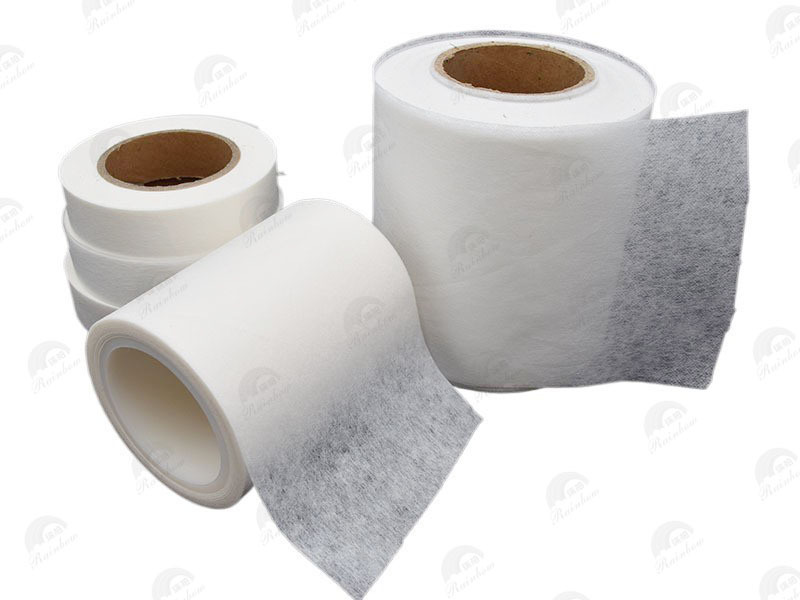
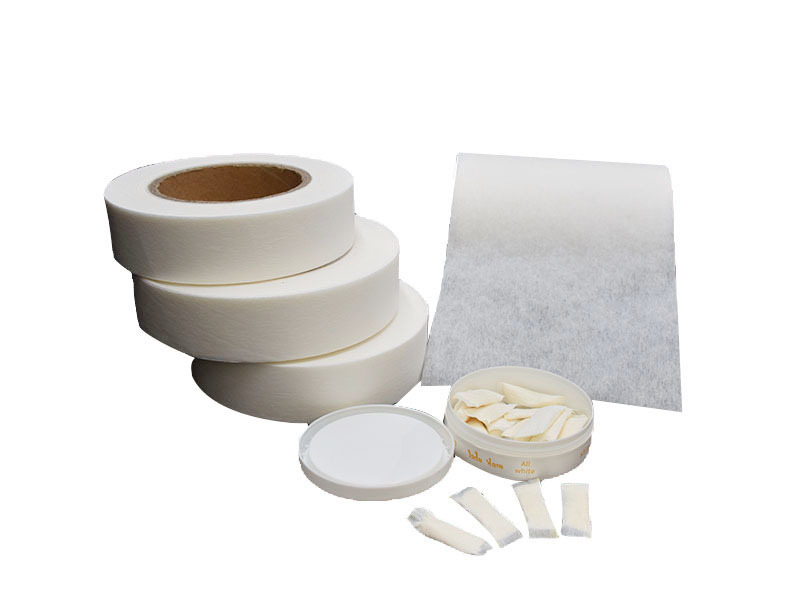
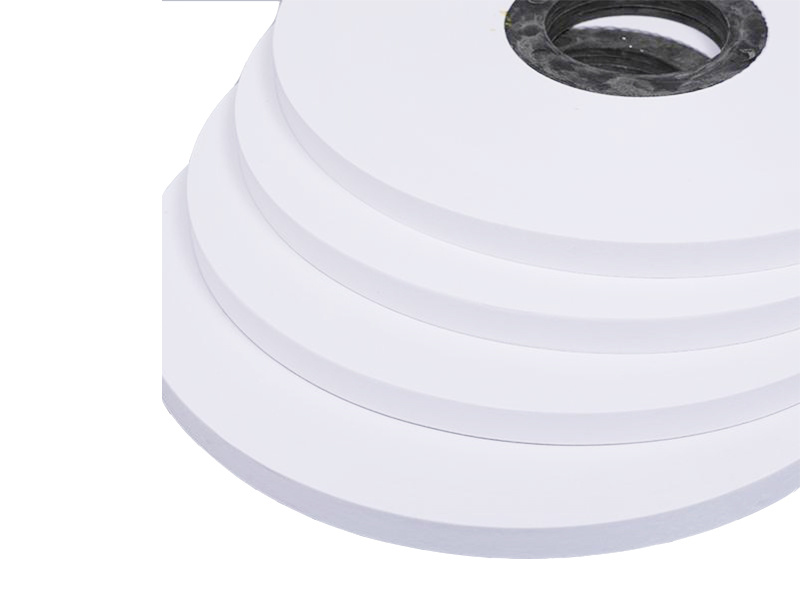
chemical bonded Nonwoven fusible interlining
Latest News


Nantong Rainbow Nonwoven Tech Co.,Ltd.
Telephone:+86-13587673537 +86-15851257231
E-mail:chrislc717@163.com christy@ntrainbow.com
sales1@ntrainbow.com
Address: (No. 88, Sanzong South Road) Group 42, Xichansi Village, Xiting Town, Tongzhou District, Nantong City, Jiangsu Province

Copyright©2024 Nantong Rainbow Technology Co., Ltd. | Powered by www.300.cn
Copyright©2024 Nantong Rainbow Technology Co., Ltd.
Powered by www.300.cn