
Unlocking the Benefits of Chemical Bonded Nonwoven Fusible Interlining for High-Quality Textile Applications
Release time:
2025-05-10
Unlocking the Benefits of Chemical Bonded Nonwoven Fusible Interlining
Table of Contents
- 1. Introduction to Chemical Bonded Nonwoven Fusible Interlining
- 2. What is Nonwoven Fusible Interlining?
- 3. Benefits of Chemical Bonded Nonwoven Fusible Interlining
- 4. Applications of Chemical Bonded Nonwoven Fusible Interlining
- 5. How to Use Nonwoven Fusible Interlining Effectively
- 6. Best Practices for Selection and Application
- 7. Frequently Asked Questions (FAQs)
- 8. Conclusion
1. Introduction to Chemical Bonded Nonwoven Fusible Interlining
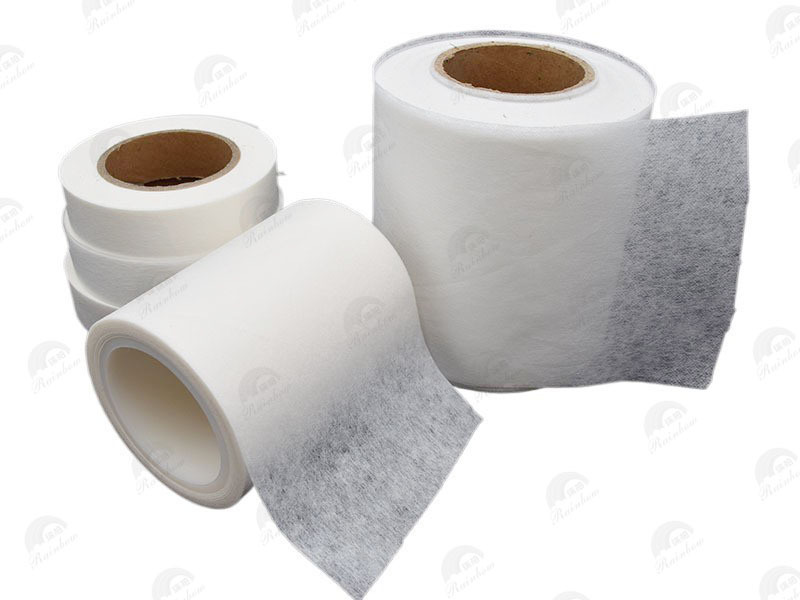
Chemical bonded nonwoven fusible interlining has emerged as a revolutionary material in the textile industry, providing unparalleled support and versatility for various fabric applications. Unlike traditional woven interlinings, this innovative product is designed to bond with fabrics using heat and pressure, resulting in a seamless finish that enhances garment performance and aesthetics. As we delve into the unique benefits and applications of this material, it becomes clear how crucial it is for modern apparel manufacturing.
2. What is Nonwoven Fusible Interlining?
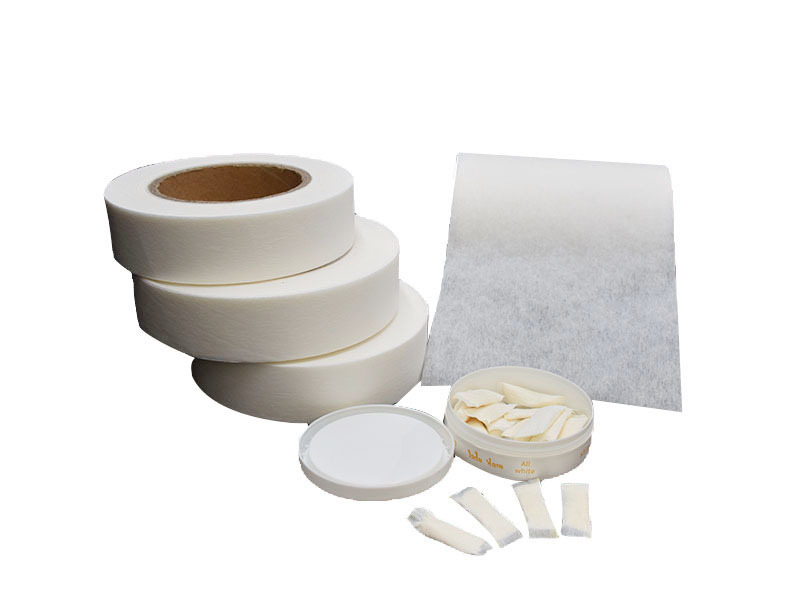
Nonwoven fusible interlining consists of synthetic fibers that are bonded together through a chemical process, creating a lightweight yet sturdy material. Fusible interlining refers to the layer that can be activated by heat to adhere to the fabric, which improves its strength, stability, and overall quality. This nonwoven fabric is especially popular in the fashion industry for its ease of use and the high-quality finish it provides to garments.
3. Benefits of Chemical Bonded Nonwoven Fusible Interlining
3.1 Enhanced Durability and Longevity
One of the most significant advantages of chemical bonded nonwoven fusible interlining is its durability. The bonding process used during manufacturing creates a robust fabric that withstands wear and tear, making it ideal for both everyday clothing and high-end fashion. This durability translates to garments that not only look good upon purchase but maintain their appeal over time.
3.2 Improved Appearance and Texture
The appearance of a garment can be dramatically enhanced with the right interlining. Chemical bonded nonwoven fusible interlining provides a crisp, professional look while also allowing for a soft drape, making it suitable for various styles and cuts. Its ability to improve the garment's overall shape and structure contributes to a more polished final product, which is essential in the competitive fashion market.
3.3 Cost-Effectiveness
Investing in quality materials often translates to higher profits in the long run. Chemical bonded nonwoven fusible interlining offers a cost-effective solution, as it minimizes fabric waste and reduces the need for frequent repairs or replacements. By opting for this innovative interlining, manufacturers can improve their bottom line while still delivering high-quality products to consumers.
4. Applications of Chemical Bonded Nonwoven Fusible Interlining
The versatility of chemical bonded nonwoven fusible interlining extends beyond traditional garments. Its applications are widely recognized in various sectors, particularly in garment construction and home textiles.
4.1 In Garment Construction
In garment construction, this interlining plays a pivotal role in enhancing the structure and longevity of clothing. It is commonly used in collars, cuffs, and waistbands to provide the necessary support while maintaining the desired aesthetic. The ability to fuse with different fabrics allows for a seamless integration, ensuring that the garment retains its shape while providing comfort and flexibility.
4.2 In Home Textiles
Beyond clothing, chemical bonded nonwoven fusible interlining finds its place in home textiles, such as curtains, upholstery, and table linens. It enhances the durability of these items, allowing them to withstand daily use while contributing to a refined appearance. In home décor, where aesthetics matter, this interlining can significantly upgrade the quality and longevity of various textile products.
5. How to Use Nonwoven Fusible Interlining Effectively
Using chemical bonded nonwoven fusible interlining requires a few essential steps to ensure optimal results. Proper application techniques can enhance the bonding process, leading to superior garment quality.
1. **Selection**: Choose the appropriate weight and type of fusible interlining based on the fabric and intended use.
2. **Preparation**: Pre-wash the fabric to eliminate any shrinkage before cutting the interlining.
3. **Cutting**: Accurately cut the interlining to the desired size, ensuring it matches the shape of the fabric pieces.
4. **Pressing**: Use a hot iron to activate the fusible side of the interlining. Apply even pressure for the recommended time to ensure a strong bond.
5. **Finishing**: Allow the bonded pieces to cool before handling to ensure the adhesion sets properly.
6. Best Practices for Selection and Application
To maximize the benefits of chemical bonded nonwoven fusible interlining, consider the following best practices:
- **Test on Scrap Fabric**: Before applying interlining to your final fabric, test a small piece to ensure compatibility.
- **Use Proper Heat Settings**: Different fabrics and interlinings require specific heat settings. Always refer to the manufacturer's instructions.
- **Keep Iron Movement Steady**: Avoid moving the iron around too much, as this can disrupt the bonding process. Maintain a consistent pressure and movement.
- **Store Properly**: Store interlining in a cool, dry place to preserve its adhesive properties and longevity.
7. Frequently Asked Questions (FAQs)
What is the difference between fusible and non-fusible interlining?
Fusible interlining has an adhesive layer that bonds to the fabric when heat is applied, while non-fusible interlining does not have this adhesive and must be sewn into the garment.
Can I use chemical bonded nonwoven fusible interlining on all types of fabrics?
While it works well with most fabrics, it’s essential to choose the right type of interlining based on the fabric’s weight and texture. Always perform a test before full application.
How do I remove fusible interlining if I make a mistake?
Removing fusible interlining can be challenging. You can try steaming the fabric to loosen the bond, but caution is required to avoid damaging the fabric.
Is chemical bonded nonwoven fusible interlining eco-friendly?
Many manufacturers are now producing eco-friendly versions of nonwoven fusible interlining, utilizing sustainable materials and processes. Always check product specifications for eco-certifications.
What are some common mistakes to avoid when using fusible interlining?
Common mistakes include using incorrect heat settings, not pre-washing fabrics, and neglecting to test on scrap materials before final application.
8. Conclusion
In conclusion, **chemical bonded nonwoven fusible interlining** is a game-changer in the textile industry, offering numerous benefits that enhance the quality and longevity of garments and home textiles. Its durability, aesthetic enhancement, and cost-effectiveness make it a vital component for manufacturers aiming to produce high-quality products. As the market continues to evolve, embracing innovative materials like this will be essential for staying competitive and meeting consumer demands. By understanding its applications and following best practices, we can unlock the full potential of this remarkable textile resource.
chemical bonded Nonwoven fusible interlining
Latest News


Nantong Rainbow Nonwoven Tech Co.,Ltd.
Telephone:+86-13587673537 +86-15851257231
E-mail:chrislc717@163.com christy@ntrainbow.com
sales1@ntrainbow.com
Address: (No. 88, Sanzong South Road) Group 42, Xichansi Village, Xiting Town, Tongzhou District, Nantong City, Jiangsu Province

Copyright©2024 Nantong Rainbow Technology Co., Ltd. | Powered by www.300.cn
Copyright©2024 Nantong Rainbow Technology Co., Ltd.
Powered by www.300.cn