
Understanding Chemical Bonded Nonwoven Interlining Fabric: A Key Component in Textile Applications
Release time:
2025-05-09
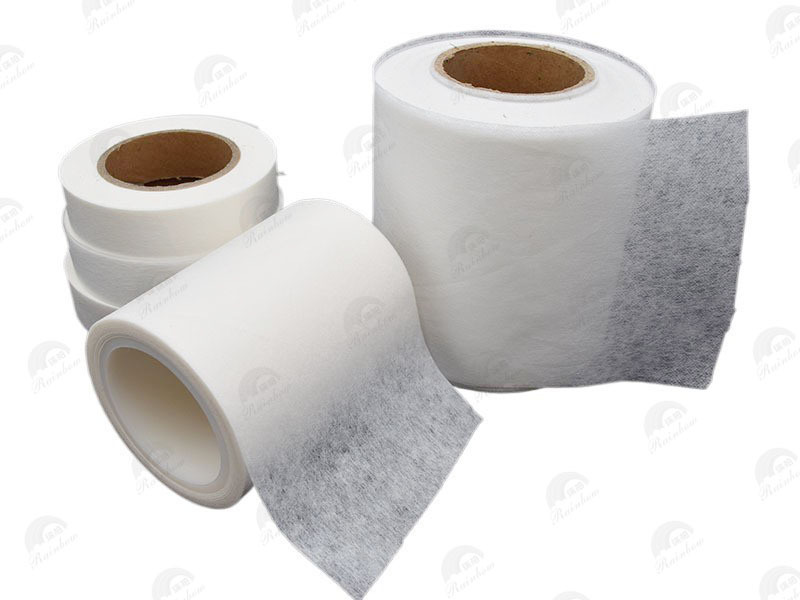
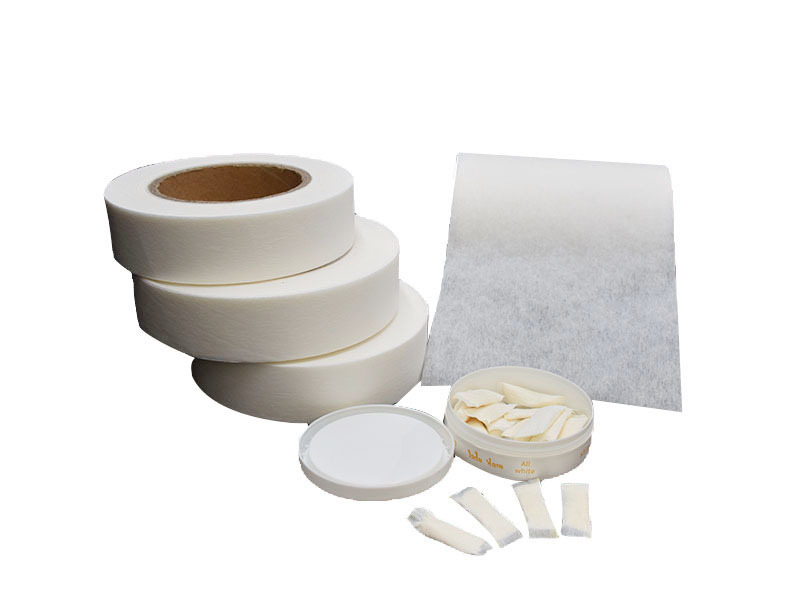
Chemical bonded nonwoven interlining fabric has emerged as a crucial component in the textile and apparel industry, particularly in the realm of interlining. This innovative material is created through a unique bonding process that utilizes chemicals to bind fibers together, resulting in a strong, durable, and versatile fabric.
One of the primary advantages of chemical bonded nonwoven interlining fabric is its ability to provide stability and structure to garments. Unlike traditional woven interlining, this type of fabric offers a smoother drape and can be engineered to meet specific performance criteria. It is commonly used in the reinforcement of collars, cuffs, and waistbands, ensuring that these areas maintain their shape and support throughout the lifecycle of the garment.
In addition to providing structural integrity, chemical bonded nonwoven interlining fabric improves the overall quality and aesthetic of the final product. The fabric's lightweight nature and flexibility allow it to seamlessly integrate into various garment designs without adding unnecessary bulk. As a result, designers can achieve a polished look while still ensuring that their creations are comfortable for the end user.
The versatility of chemical bonded nonwoven interlining also extends to its wide range of applications across different fabric types. It can be applied to both woven and knitted fabrics, making it suitable for a diverse array of clothing items, from tailored suits to casual wear. Furthermore, its compatibility with various finishing processes means that it can be treated for added properties such as water resistance or flame retardance, catering to the specific needs of different markets.
Sustainability is another consideration in the use of chemical bonded nonwoven interlining fabric. Many manufacturers are focusing on eco-friendly practices, sourcing materials from recycled fibers or adopting more sustainable chemical processes. This shift not only benefits the environment but also resonates with consumers who are increasingly prioritizing sustainability in their purchasing decisions.
In conclusion, chemical bonded nonwoven interlining fabric plays a vital role in enhancing the quality and durability of textile products. Its unique characteristics make it an indispensable ally for designers and manufacturers looking to create high-performance garments. By understanding the properties and applications of this innovative material, professionals in the textile industry can elevate their products and meet the evolving demands of the market.
One of the primary advantages of chemical bonded nonwoven interlining fabric is its ability to provide stability and structure to garments. Unlike traditional woven interlining, this type of fabric offers a smoother drape and can be engineered to meet specific performance criteria. It is commonly used in the reinforcement of collars, cuffs, and waistbands, ensuring that these areas maintain their shape and support throughout the lifecycle of the garment.
In addition to providing structural integrity, chemical bonded nonwoven interlining fabric improves the overall quality and aesthetic of the final product. The fabric's lightweight nature and flexibility allow it to seamlessly integrate into various garment designs without adding unnecessary bulk. As a result, designers can achieve a polished look while still ensuring that their creations are comfortable for the end user.
The versatility of chemical bonded nonwoven interlining also extends to its wide range of applications across different fabric types. It can be applied to both woven and knitted fabrics, making it suitable for a diverse array of clothing items, from tailored suits to casual wear. Furthermore, its compatibility with various finishing processes means that it can be treated for added properties such as water resistance or flame retardance, catering to the specific needs of different markets.
Sustainability is another consideration in the use of chemical bonded nonwoven interlining fabric. Many manufacturers are focusing on eco-friendly practices, sourcing materials from recycled fibers or adopting more sustainable chemical processes. This shift not only benefits the environment but also resonates with consumers who are increasingly prioritizing sustainability in their purchasing decisions.
In conclusion, chemical bonded nonwoven interlining fabric plays a vital role in enhancing the quality and durability of textile products. Its unique characteristics make it an indispensable ally for designers and manufacturers looking to create high-performance garments. By understanding the properties and applications of this innovative material, professionals in the textile industry can elevate their products and meet the evolving demands of the market.
chemical bonded nonwoven interlining fabric
Latest News


Nantong Rainbow Nonwoven Tech Co.,Ltd.
Telephone:+86-13587673537 +86-15851257231
E-mail:chrislc717@163.com christy@ntrainbow.com
sales1@ntrainbow.com
Address: (No. 88, Sanzong South Road) Group 42, Xichansi Village, Xiting Town, Tongzhou District, Nantong City, Jiangsu Province

Copyright©2024 Nantong Rainbow Technology Co., Ltd. | Powered by www.300.cn
Copyright©2024 Nantong Rainbow Technology Co., Ltd.
Powered by www.300.cn