
Why Choose Chemical Bonded Nonwoven Interlining Fabric for Your Next Project?
Release time:
2025-05-08
Introduction to Chemical Bonded Nonwoven Interlining Fabric
In the world of textiles, the choice of materials can significantly influence the quality and durability of the final product. One such material that has gained substantial popularity is **chemical bonded nonwoven interlining fabric**. This innovative fabric offers numerous advantages over traditional interlining options, making it a favorable choice for a variety of applications. This article will delve deeply into the reasons why you should consider using chemical bonded nonwoven interlining fabric for your next project.
What is Chemical Bonded Nonwoven Interlining Fabric?
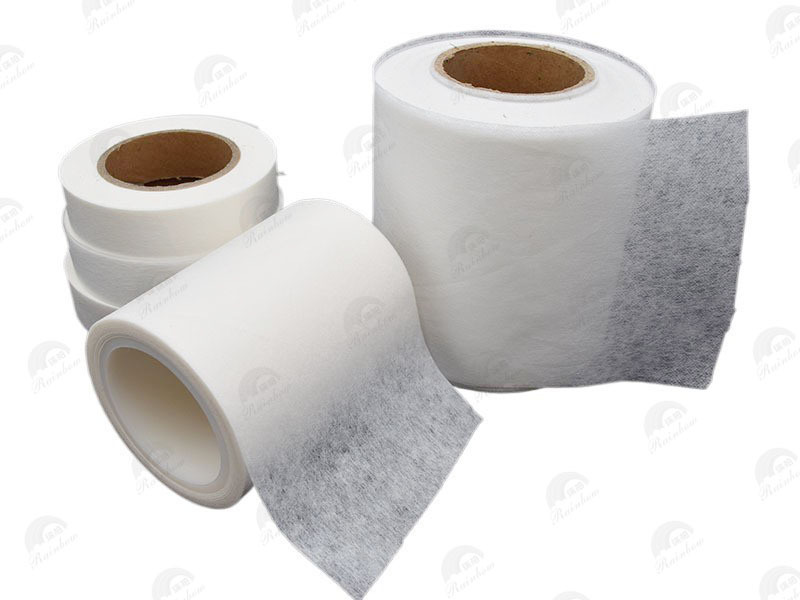
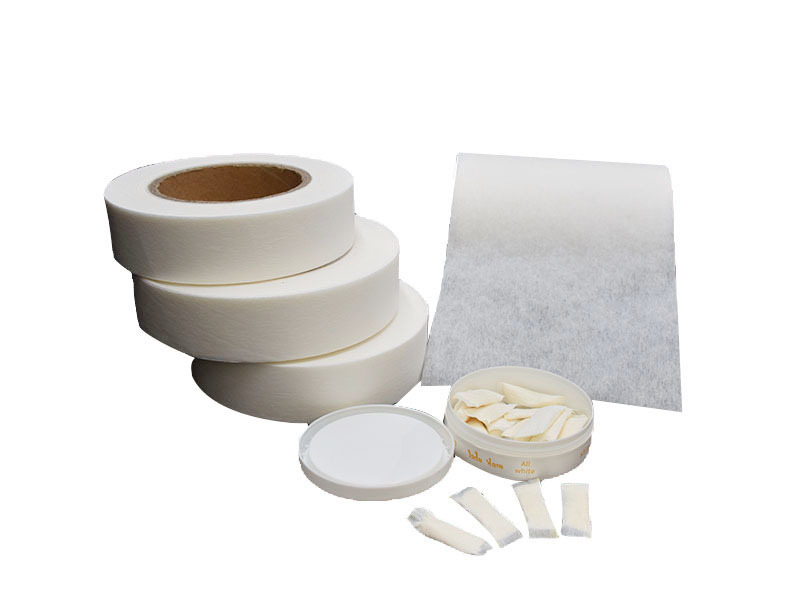
Chemical bonded nonwoven interlining fabric is a type of textile that is created by bonding fibers together through a chemical process, rather than traditional weaving methods. This results in a fabric that is not only strong and durable but also offers unique properties that can enhance the overall quality of finished garments.
Composition and Production Process
The production of chemical bonded nonwoven fabric involves several steps:
1. **Fiber Selection**: The process begins with selecting suitable fibers, which can include polyester, nylon, and other synthetic materials.
2. **Fiber Preparation**: The fibers are then carded or laid out in a web formation.
3. **Bonding Process**: A chemical adhesive is applied to bond the fibers together, creating a cohesive fabric. This can be achieved through several methods, including spray bonding or foaming.
4. **Finishing Touches**: After bonding, the fabric may undergo additional treatments, such as heat setting or coating, to enhance its properties.
This method of production results in a fabric that is lightweight, flexible, and resistant to fraying, making it ideal for various applications.
Key Benefits of Chemical Bonded Nonwoven Interlining Fabric
Choosing chemical bonded nonwoven interlining fabric for your projects comes with a multitude of benefits. Below are some of the most notable advantages:
1. Enhanced Durability
One of the primary reasons designers and manufacturers prefer chemical bonded fabrics is their **superior durability**. The bonding process creates a strong structure that withstands wear and tear, making it suitable for high-usage garments such as jackets and trousers.
2. Lightweight and Flexible
Unlike traditional interlining options, chemical bonded nonwoven fabrics are lightweight and flexible. This characteristic allows for greater ease of handling during production and contributes to a more comfortable final product that drapes well.
3. Excellent Shape Retention
Chemical bonded nonwoven interlining provides excellent shape retention, crucial for maintaining the integrity of garments over time. This property prevents sagging and ensures that garments maintain their intended silhouette even after multiple washes.
4. Versatility in Applications
The versatility of chemical bonded nonwoven interlining fabric is unparalleled. It can be used in a wide range of applications, including:
- **Garment making**: as interfacing for collars, cuffs, and waistbands.
- **Upholstery**: to add structure and support to furniture fabrics.
- **Home textiles**: such as curtains and tablecloths.
5. Cost-Effectiveness
Considering the longevity and performance of chemical bonded nonwoven interlining, it is often more cost-effective in the long run. While the initial investment may be higher than traditional options, the durability and reduced need for replacements justify the cost.
How to Choose the Right Chemical Bonded Nonwoven Interlining Fabric
When selecting the appropriate chemical bonded nonwoven interlining fabric for your project, several factors must be considered:
1. Fabric Weight
The weight of the interlining fabric plays a crucial role in its suitability for different applications. Heavier fabrics are better for structured garments, while lighter options work well for softer, drapey designs.
2. Adhesive Properties
Different projects may require varied adhesive properties. Understanding the bonding strength and how it interacts with the outer fabric is essential for optimal performance.
3. Color and Texture
Choosing the right color and texture can enhance the visual appeal of your final product. Ensure that the interlining fabric complements the outer fabric in both appearance and feel.
4. Manufacturer Reputation
Opt for reputable manufacturers known for their high-quality chemical bonded nonwoven interlining fabrics. This ensures that you are investing in a product that meets industry standards and performance expectations.
Applications of Chemical Bonded Nonwoven Interlining Fabric in Different Industries
Chemical bonded nonwoven interlining fabric finds extensive applications across various industries. Here are some key sectors where this material excels:
1. Fashion and Apparel Industry
In the fashion industry, the use of chemical bonded nonwoven interlining is prevalent for garments requiring structure and support. Designers utilize this fabric for collars, cuffs, and waistbands to ensure garments maintain their shape and provide comfort.
2. Home Décor
Chemical bonded nonwoven interlining is also widely used in home décor. From curtains to upholstery, the fabric adds durability and structure, enhancing the overall aesthetic appeal of home furnishings.
3. Automotive Textiles
In the automotive industry, chemical bonded nonwoven interlining is employed in seat covers and interior linings. Its durability and ability to withstand wear make it ideal for high-traffic areas.
4. Medical Textiles
The medical field benefits from the unique properties of chemical bonded nonwoven materials. They are used in applications such as surgical gowns and drapes, where strength and sterility are paramount.
Sustainability Considerations in Choosing Interlining Fabrics
As sustainability becomes increasingly important in the textile industry, it is essential to consider the environmental impact of the materials used. Many manufacturers are now focusing on producing eco-friendly chemical bonded nonwoven fabrics, derived from recycled materials and designed for reduced environmental impact. Here are some ways to choose sustainable options:
1. Look for Recycled Content
Opt for chemical bonded nonwoven fabrics made from recycled fibers. This not only reduces waste but also decreases the demand for virgin fibers.
2. Check for Certifications
Examine whether the fabric has been certified by recognized environmental standards, such as OEKO-TEX or GOTS. These certifications ensure that the fabric meets strict environmental and social criteria.
3. Focus on Production Processes
Consider manufacturers that prioritize sustainable production processes, such as water conservation and low-emission technologies.
FAQs About Chemical Bonded Nonwoven Interlining Fabric
1. What are the main advantages of chemical bonded nonwoven interlining fabric?
Chemical bonded nonwoven interlining fabric offers enhanced durability, lightweight and flexible properties, excellent shape retention, and versatility in applications.
2. Can chemical bonded nonwoven interlining be used for all types of garments?
While it is suitable for a wide range of garments, the specific choice of interlining should be based on the type of fabric and design requirements.
3. How do I care for garments made with chemical bonded nonwoven interlining?
Garments should generally be washed according to the care instructions provided by the manufacturer, ensuring that the integrity of the interlining is maintained.
4. Is chemical bonded nonwoven interlining fabric eco-friendly?
Many manufacturers now produce eco-friendly options made from recycled materials, though it is essential to check for certifications that confirm sustainability.
5. How can I determine the right weight of interlining fabric for my project?
The right weight depends on the design and intended use of the garment. Heavier fabrics are typically used for structured garments, while lighter options are ideal for softer designs.
Conclusion
In conclusion, chemical bonded nonwoven interlining fabric offers a myriad of benefits that make it an excellent choice for your next project. Its durability, lightweight nature, and versatility in applications set it apart from traditional interlining options. By selecting the right fabric based on your project's requirements and considering sustainability factors, you can create high-quality, long-lasting garments that appeal to a broad audience. Embrace the advantages of chemical bonded nonwoven fabric and elevate your textile projects to new heights.
chemical bonded nonwoven interlining fabric
Latest News


Nantong Rainbow Nonwoven Tech Co.,Ltd.
Telephone:+86-13587673537 +86-15851257231
E-mail:chrislc717@163.com christy@ntrainbow.com
sales1@ntrainbow.com
Address: (No. 88, Sanzong South Road) Group 42, Xichansi Village, Xiting Town, Tongzhou District, Nantong City, Jiangsu Province

Copyright©2024 Nantong Rainbow Technology Co., Ltd. | Powered by www.300.cn
Copyright©2024 Nantong Rainbow Technology Co., Ltd.
Powered by www.300.cn